

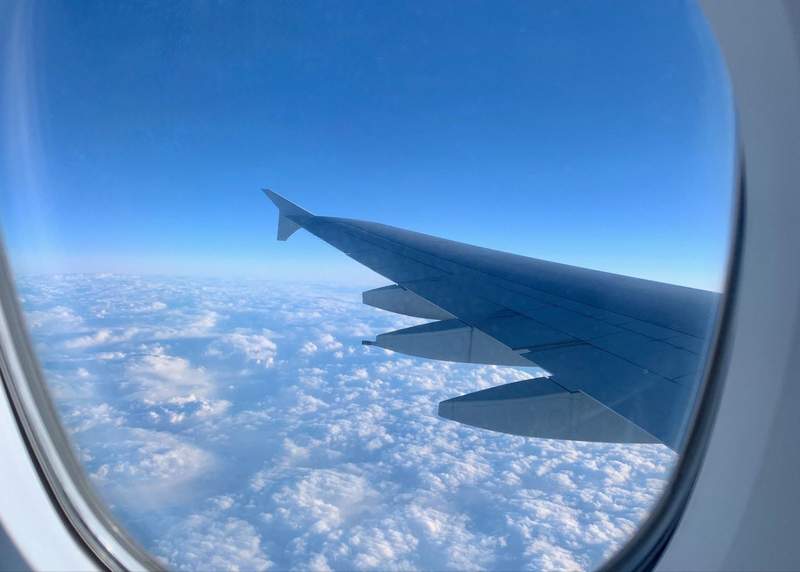
Let’s face it, jet lag sucks. After a long flight, you’re finally at your dream destination. You can’t wait to start exploring, but you find yourself either wanting to jump directly into bed or awake at 3 a.m. I’ve been there. Arriving in Australia alone, after more than 24 hours of travel, I could barely function. I wasn’t even sure how to get myself from the airport to my first hotel. I was plagued by the grogginess, fatigue and insomnia that comes with jet lag.
Your body has an internal clock, also known as your circadian rhythm. When you arrive at your destination, your internal clock remains connected to your hometown, making it out of sync with the new time zone where you’ve landed.
As a woman over 50, wellness warrior and adventure traveler, my goal is to get over jet lag symptoms as soon as possible. I’m here to help you do the same. Jet lag doesn’t have to ruin your trip. With the proper preparation, you can decrease the effects of jet lag with these tried and true tips and advice that could help you avoid jet lag altogether.
Join our Travel Tribe! Sign up for our newsletter now!
What is Jet Lag?

Jet lag isn’t just about being tired—it affects your body and mind in several ways. When you cross multiple time zones, your body still runs on “home time,” which can lead to temporary imbalances.
Here are the most typical problems caused by jet lag:
- Sleep disruption: Trouble falling asleep, waking up too early or restless nights due to your body producing melatonin at the wrong time.
- Daytime fatigue: Feeling drained or sluggish even after resting, as your body clock hasn’t synced to local daylight yet.
- Brain fog: Difficulty concentrating, slower reaction times or forgetfulness caused by poor sleep quality.
- Mood changes: Irritability, anxiety or low mood triggered by exhaustion and hormonal disruption.
- Digestive discomfort: Bloating, nausea or loss of appetite as your digestion adjusts to new meal times.
- Headaches or soreness: Common due to dehydration, cabin pressure and prolonged periods of sitting.
- Weakened immunity: Fatigue and dehydration make your body more vulnerable to catching a cold.
Whether flying for business, leisure or a solo adventure, here are 15 tips and tricks to help you prevent, minimize and quickly recover from jet lag before, during and after your journey, so you can fully enjoy your adventures.
What Are The Best Ways To Avoid Jet Lag?
1. Get Some Rest Before Your Trip
The first step in avoiding those crazy jet lag symptoms is to begin your journey well-rested. I realize that this is easier said than done. I get stressed a few days before I travel. I still have to do laundry, run errands and triple-check my packing list. SheBuys Travel contributor, Diane Rowe, recommends REMfresh – She says, “I felt that its natural melatonin supplement with 7-hour absorption helped me fall asleep faster and stay asleep longer.”
SheBuysTravel Tip: Consult with your healthcare provider before taking any new supplement. Try any over-the-counter sleeping pill first in the safety of your own home.
2. Adjust Your Sleep Schedule

If you’re flying east, try going to bed an hour earlier for several days leading up to your trip. When flying west, do the opposite. These adjustments give your body a head start on adapting to your new time zone. These shifts may not be reasonable depending on your work schedule. Try scheduling your flight for early in the week so you can adjust your sleep schedule over the weekend.
3. Choose Flights That Work in Your Favor
I learned the hard way that landing in the morning is the worst possible option for me. Trying to push through an entire day without sleep is a daunting task. I always pick flights that land in the late afternoon or evening. This allows me to stay awake until a reasonable bedtime.
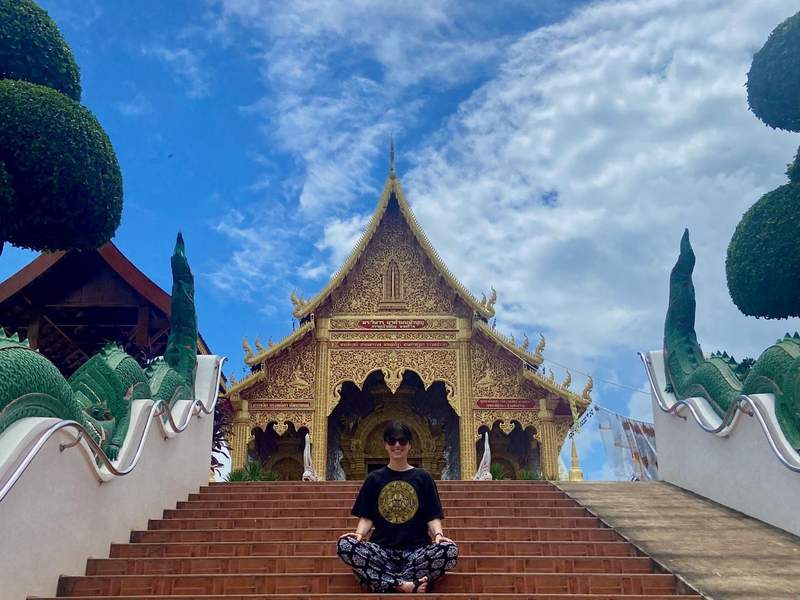
When I fly to Thailand, I arrive late so that I can drop into bed within an hour of arrival. I wake up refreshed and ready to go. If you have to arrive in the morning, resist the urge to nap for hours. Instead, keep busy with light activities until evening.
4. Consider Upgrading For Your Long-Haul Flight

We all want to get a great deal on our flights, but traveling for over 10 hours can really take a toll on your body. I save my money and frequent flyer points to upgrade to Premium Economy or Business Class whenever possible. Lay flat seats to Thailand? Yes, please! An upgrade will give you more room to stretch and even lie down, allowing you to get that much-needed rest before arriving at your destination.
SheBuysTravel Tip: These upgrades often include access to airline lounges with free food, showers and comfortable seating with electronic charging stations.
5. Stay Hydrated Before, During and After Your Flight
Airplane cabins are as dry as a desert. Dehydration can lead to headaches and increased fatigue. Drink plenty of water before your flight and keep sipping throughout. I aim for extra hydration two days before I travel.
On the day of your trip, hydrate before your flight and take sips throughout your journey. I always bring a reusable water bottle to fill (after security or you’ll have to dump it) to stay hydrated throughout the flight. Don’t forget to keep hydrating during your trip, especially if you are in a warm or dry climate.
6. Set Your Watch to the New Time Zone as Soon as You Board the Plane
You’ll eventually have to deal with the time change. I first heard this tip from travel guru Peter Greenberg, and it’s always stuck with me. This helps trick your body clock by setting it to the new destination time zone as soon as you board the plane. For example, if you’re departing New York City at 7 p.m. ET and your final destination is London, then set your watch to 12 a.m. (the current time in England).
7. Avoid Heavy Meals Before Sleeping
It’s tempting to indulge in big meals at the airport or on the plane, but large or greasy foods can disrupt your digestion and make it harder to sleep. Try to eat lighter, balanced meals rich in fruits, vegetables and lean protein.
If your watch is already set to the timezone of your destination, pay attention to the local meal times and eat accordingly. Do the same once you arrive. Use a light snack to hold you over if your body craves a meal during the gaps between meals.
8. Move Around During the Flight
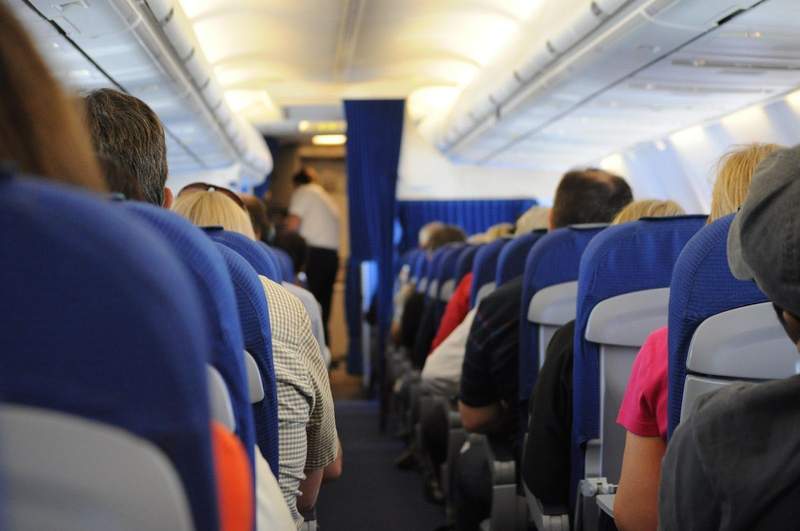
Sitting for long periods can leave your muscles feeling stiff and tired upon standing. I take short walks up and down the aisle, or do simple stretches every hour or two. If you’re on a long flight, try standing near the galley for a few minutes every few hours. I also wear compression socks . They not only help with circulation but also keep my feet and legs warm on chilly flights.
9. Bring Your Sleep Essentials
Getting adequate rest on a plane can be tough with changes in cabin lighting or a crying baby who is almost always within earshot. I never fly without a comfortable sleep essentials set like the one from urnexttour on Amazon. This set includes an eye mask, neck pillow, light blanket. I also bring noise-canceling headphones or opt for inexpensive earplugs.
10. Keep Your Hotel Room Sleep-Friendly

The first thing I do when arriving at my hotel is make myself comfortable. I bring my own silk pillowcase (no bed wrinkles or messy hair for me), a noise machine and an eye mask. I also turn the air down or switch on a fan. Cooler temps equal better sleep. If there isn’t too much light pollution, I keep my curtains open so the sun wakes me up in my new timezone. If napping, I also let the light shine in so I don’t sleep too long.
11. Avoid Alcohol and Caffeine After Arrival
A celebratory drink might sound great after landing, but alcohol dehydrates you and disrupts deep sleep. Caffeine can stay in your system for up to eight hours. Stick to water, herbal tea or electrolyte drinks until your body clock stabilizes.
12. Daylight is Your Best Friend
Sunlight is one of the strongest cues for your internal clock. After arriving, spend time outdoors. Yes, even if it’s raining. You packed that umbrella, right? Natural light helps your brain understand it’s daytime, which speeds up your adjustment time.
13. Freshen Up and Get Moving

The first thing I do after a long international flight is take a cool shower. The water temperature, as well as feeling fresh and clean, helps perk me up. I’ll often do some yoga or take a brisk walk. Movement helps your circulation and signals to your body that it’s time to be awake. Plan a light activity, such as sightseeing or dining outdoors, instead of collapsing into bed right away. If I’m in a warm climate, I find that taking a swim really helps.
14. Avoid Napping Too Long
Suppose you arrive in the morning or midday. In that case, it’s tempting to nap, but oversleeping during the day can delay your recovery. If you really need a nap, limit it to 20–30 minutes. Short “power naps” refresh you without disrupting your nighttime sleep. When I arrive in the morning, I take two of these naps to get me through until bedtime.
15. Limit Screen Time Before Bed

Store your electronics away from the bed. Screens expose your eyes to blue light, which suppresses melatonin. Try reading a book, journaling or listening to calming music instead. If you must use a screen, turn on “night mode” or use a blue-light filter. I like to listen to a guided meditation, which helps me drift off peacefully.
Bottom Line on Preventing Jet Lag
Jet lag is a drag, but remember that it’s only temporary. It doesn’t have to ruin days of your trip. With a bit of planning, hydration and sunlight, you can help your body recover faster and enjoy your journey to the fullest. Whether you’re crossing the ocean for a long-awaited vacation or a solo adventure, these 15 strategies will keep you energized, focused, and ready to explore—no matter how many time zones you cross.
Read More
- 7 Proven Travel Tips and Tricks for Beating Jet Lag
- How to Arrive Refreshed and Ready After Your Flight
- Survival Tips for Long-Haul Flights in Economy Seats
- A TSA REAL ID Change is Coming on February 1. Will it Impact Your Next Flight?

Leave a Reply