


Frederick County is the easternmost part of the Blue Ridge Mountains. It has the Catoctin Mountains, so you can take a mountain hike, and the Appalachian Trail comes through Frederick County. The main reason people come to Frederick County is history, but it has great restaurants, great craft beverages, whether it’s the distilleries or the breweries.
The writer was hosted.
National Shrine of Saint Elizabeth Ann Seton
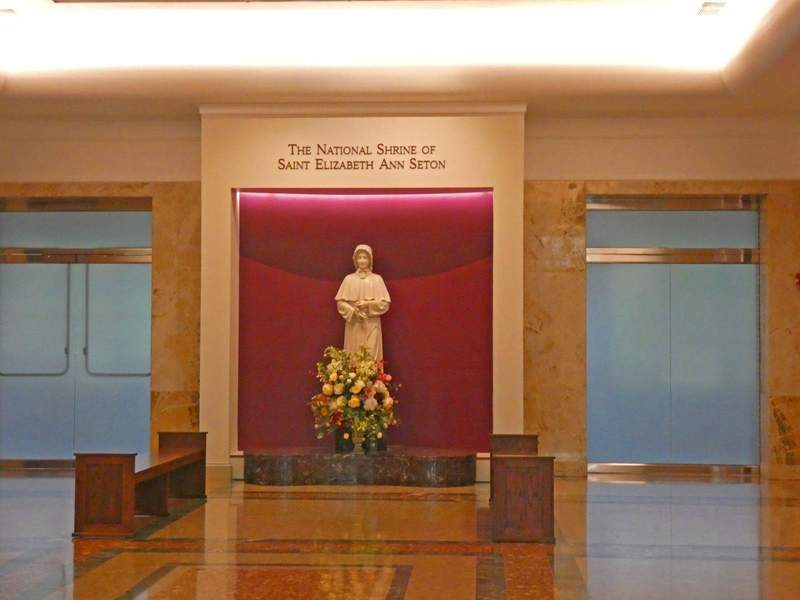
Why go: This year is the 50th anniversary of Seton’s canonization as the first American-born saint. The site consists of the Basilica, an 800-seat Catholic Church, a visitor center, a museum gift shop, two historic houses and a historic cemetery. After being widowed with five children, she founded a community of nuns called the Sisters of Charity of St. Joseph.
What to see: The museum, which has a lot of information, is free. Take a guided tour to see the two houses where she lived. The most interesting item in the smaller one is the old medicines they used. In the larger one, the chapel and schoolroom are interesting. Be sure to see the chapel in the cemetery. If you visit in October, see ”Back from the Dead,” a cemetery walk.
Catoctin Furnace
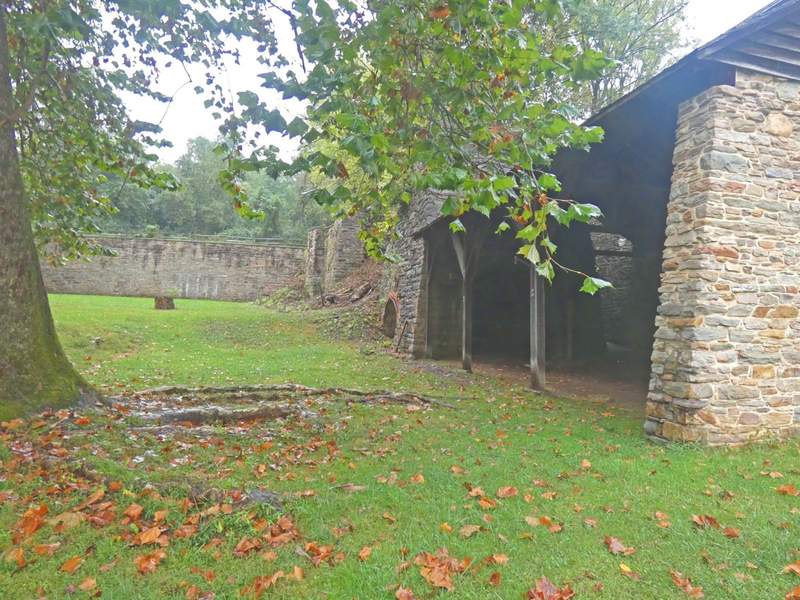
Why go: The iron-making village dates to the 1770s. The furnace began operation in 1776 and remained active until 1903. It produced weapons for Washington’s army at Yorktown. The Catoctin Furnace Historical Society uses archaeology and research to share the stories of the workers, both enslaved and free. The site is free.
What to see: Start at the Museum of the Ironworker, visit the Blacksmith Shop, visit Collier’s Log House and take the short trail past the African American Cemetery to the ruins of the 1857 furnace named Isabell. If you have five or more in your group, you can book a guided tour. They are renovating a historic home for a rental so you can experience life in the 1800s.
SheBuysTravel Tip: Be sure to see the Roddy Road Covered Bridge near here.
Are you ready to explore off the beaten path? Let us inspire you!
National Museum of Civil War Medicine
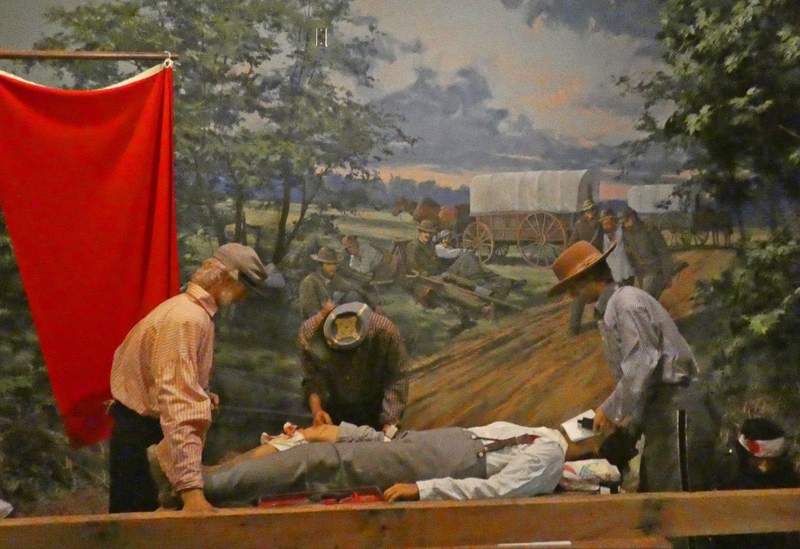
Why go: The National Museum of Civil War Medicine tells the real story of Civil War medicine and how this laid the foundation for America’s modern medical system. I found it one of the most interesting museums I’ve visited. I never knew there were no ambulances in the US before the Civil War and folklore doctors still used bleeding and leeches.
What to see: Start on the second floor. The exhibits are so lifelike. One shows a typical camp and how conditions led to disease. Another shows a wounded soldier being loaded into an early ambulance wagon. One of the most moving shows an amputation with an assistant giving ether. If you have 20 or more in your group, you can book a guided tour.
Downtown Tour
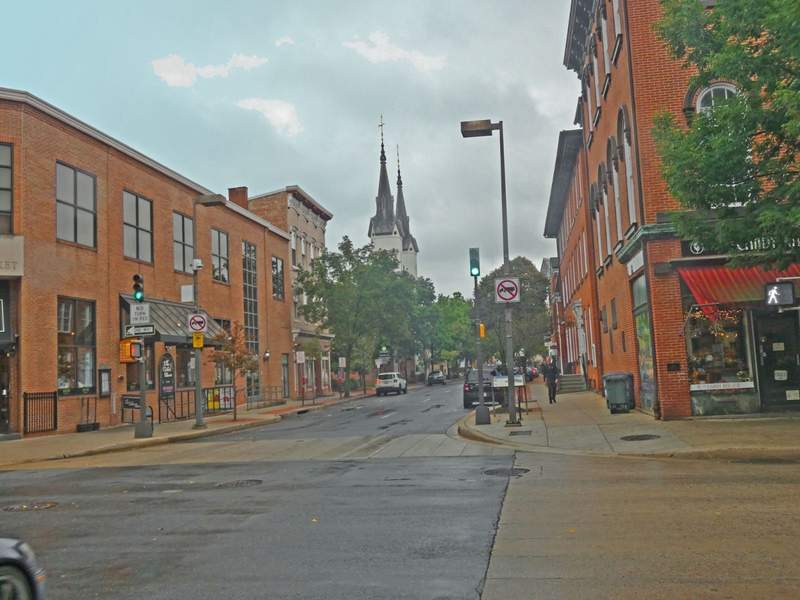
Why go: The city has a layered past, from its founding in 1745 through the modern day. The Heritage Frederick Foundation offers several guided walking tours from April through November. Jody from the Frederick Foundation and Jake Wynn from Visit Frederick showed us some of the most historic places in Frederick.
What to see: Start your tour at the Visitor Center, which is a small museum. There are so many places to see here: Barbara Fritchie house, the Episcopal Church, which was a hospital after the Battle of Antietam, Frederick’s first planned park from the 1830s and the site at the second county courthouse where Maryland voted to end slavery in 1864 and Carroll Creek Park.
Art
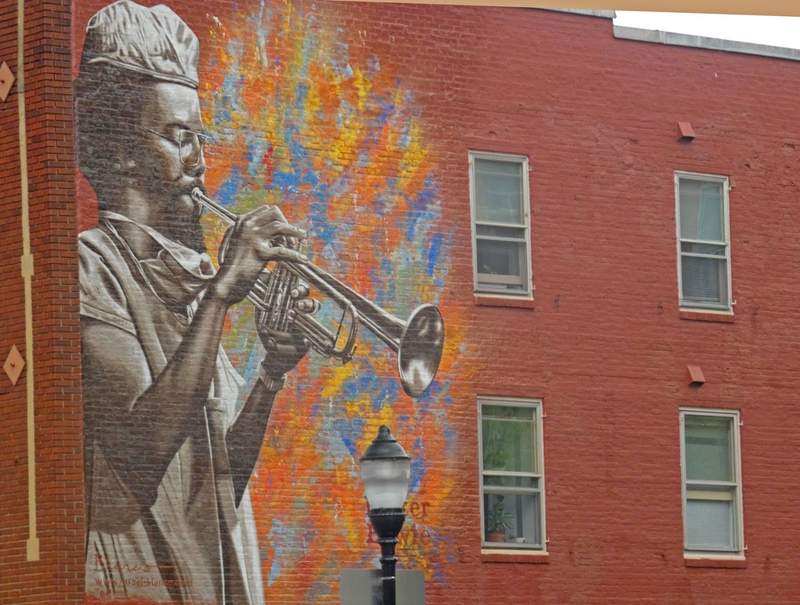
Why go: There are over 40 pieces of public art in Frederick. Francis Scott Key, who wrote the national anthem, lived in Frederick, so “Key of Life,” the first public art extravaganza in Frederick, placed artist-decorated key sculptures around town. One of the “Keys” is at the visitor center.
What to see: Browse around town and see Rafael Blanco’s mural, features Frederick jazz musician Lester Bowie, “Earthbound,” a trompe l’oeil mural by William Cochran as part of “Angels in the Architecture” showing a pheasant asleep on a windowsill as an older angel stands behind, “Zodiac Sculptures” at Stone Arch Bridge in Carroll Creek Park and more.
Museum of Frederick County History
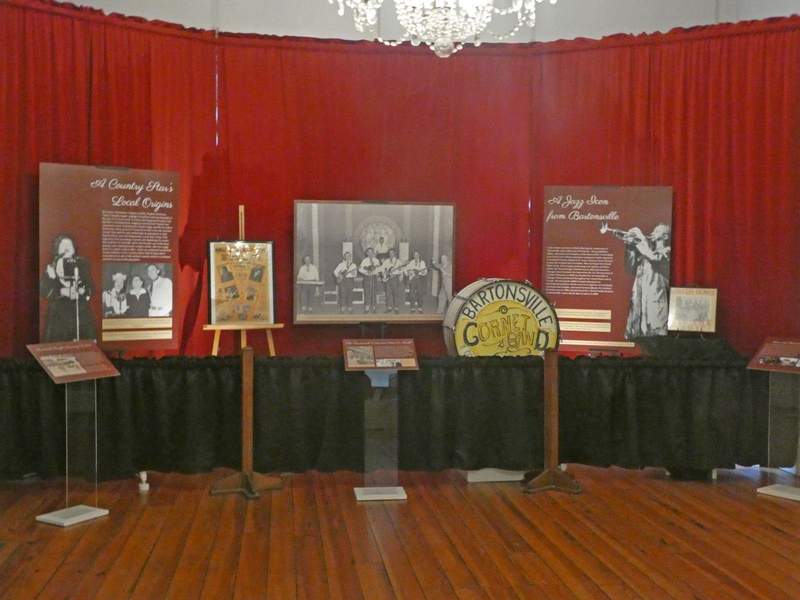
Why go: The building belonged to Colonel Hanson, a bank president when Confederate General Jubal Early demanded a $200,000 ransom to not burn the town. Hanson authorized the payment. It passed to John Lotz, and when he died, it became the Lotz Female Orphan Asylum. Besides its historical background, it’s filled with interesting exhibits on the town’s history.
What to see: The first floor changes annually. Jody told us 2026 will focus on “The 250.” Their music exhibit has two of the oldest instruments in their collection. The music exhibit shows some of the first places that Patsy Cline performed when she lived in Frederick. I liked the antique clocks and the silver and bits of pottery dating to the 1800s. Kids enjoy the toy room.
Gambrill State Park
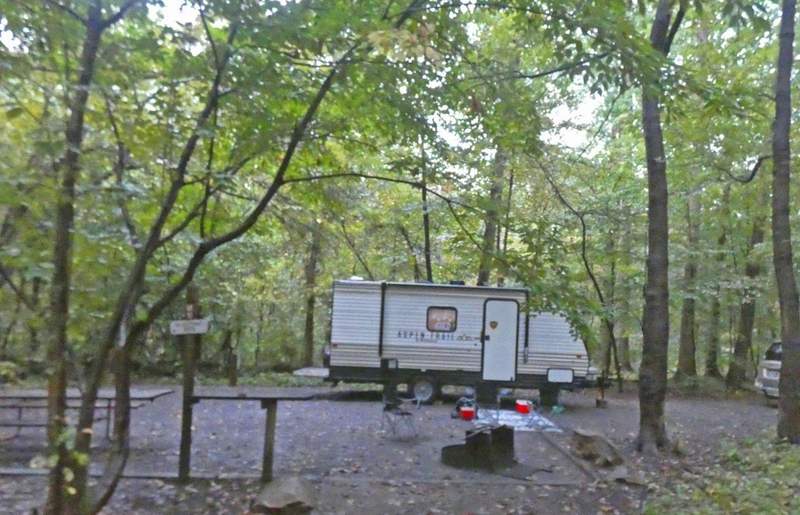
Why go: Gambrill State Park is a beautiful mountain park on the ridge of the Catoctin Mountains in Frederick County. It has two areas, the Rock Run area and the High Knob area, and offers 16 miles of trails for hiking and mountain biking.
What to see: High Knob has three stone overlooks with great views and a large stone lodge, called the Tea Room. Rock Run has a campground with tree-shaded sites, primitive cabins with electricity, a picnic area and a pond for fishing, no license required. White Oak Trail is an easy one-mile loop trail.
Dining
- Twin Bears Bakery opened in 2024 in a restored 1800s industrial bakery building. They specialize in San Francisco–style sourdough breads, bagels and baked goods, which vary daily. Ask to see the historic oven here.
- Carriage House Inn is housed in a historic building dating back to 1857. I loved their crab cake with asparagus and mashed potatoes.
- The Wine Kitchen is on Carroll Creek, with a great view of the park.
- Wye Oak Tavern is located inside the former chapel at Visitation Hotel. This is the first joint venture of James Beard award-winning chefs Bryan and Michael Voltaggio. We shared their large house salad, and I enjoyed the Rigatoni with arrabbiata sauce, smoked parmesan and brown butter for my entree. No matter how full you are, try their warm chocolate chip cookies for dessert.
- Tenth Ward Distilling Company is a woman-owned distillery. Monica Pearce, master distiller, is bringing back Maryland Rye whiskey, before prohibition Maryland’s primary whiskey.
- Catoctin Breeze Vineyard is a family-owned vineyard producing award-winning, mostly dry wines.
- McClintock’s Back Bar, a speakeasy-style cocktail bar, is part of McClintock Distillery. Owners Tyler Hegameyer and Braeden Bumpers use traditional techniques to produce award-winning spirits, including Maryland rye whiskey. I highly recommend Daydream, a vodka drink with mango, lemon and coconut cream and rimmed with coconut.
Visitation Hotel
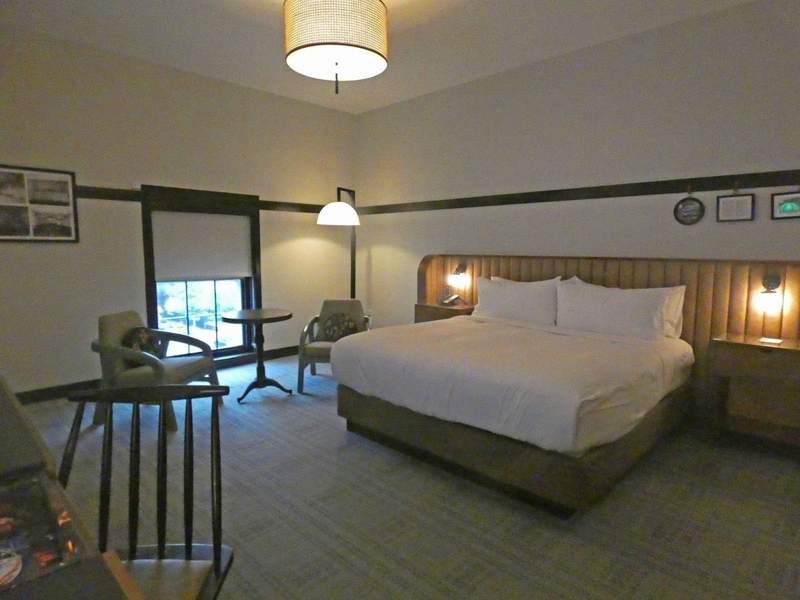
Why go: Visitation is a boutique hotel housed in a restored Catholic girls’ school, built in 1846. The building also served as a Civil War hospital following the Battle of Antietam. The hotel opened in December 2024 following a full historic renovation. It’s very comfortable.
What to see: The stained-glass windows and original woodwork are beautiful. Acorn Provisions, their smaller café, offers breakfast and snack foods.
Read More:
- Explore Cajun Country: 16 Fun Things to Do in Lafayette LA
- Fun Things to Do in Townsend, Tennessee
- Fun Things to Do in Mount Dora, a Florida Gem Near Orlando
- Thoroughbred Country South Carolina: Horses, History, and Homestyle Dining


Leave a Reply