

St. Augustine is packed with famous attractions, but after living there, and still visiting often, I’ve learned the city hides far more than most travelers ever see. I love finding the overlooked places that reveal deeper layers of America’s oldest city.
Hidden Gem Highlights:
- The Darker Side of History: Explore the city’s “unusual” past through the grim (and touchable) exhibits of the Medieval Torture Museum and the deceptive, home-like facade of the 19th-century Old Jail.
- Cultural & Culinary Hidden Gems: Discover peaceful shrines like St. Photios, the Civil Rights legacy at Lincolnville, and how to snag a free tour and tasting at a distillery housed in a 1905 ice plant.
- Local Logistics & Luxury Hacks: Learn why the Old Town Trolley is your best friend for avoiding parking fees, and which historic spots—like the Spanish Military Hospital—are surprisingly pet-friendly.
Editor’s note: The writer was hosted.
Are you ready to explore off the beaten path? Let us inspire you!
Medieval Torture Museum
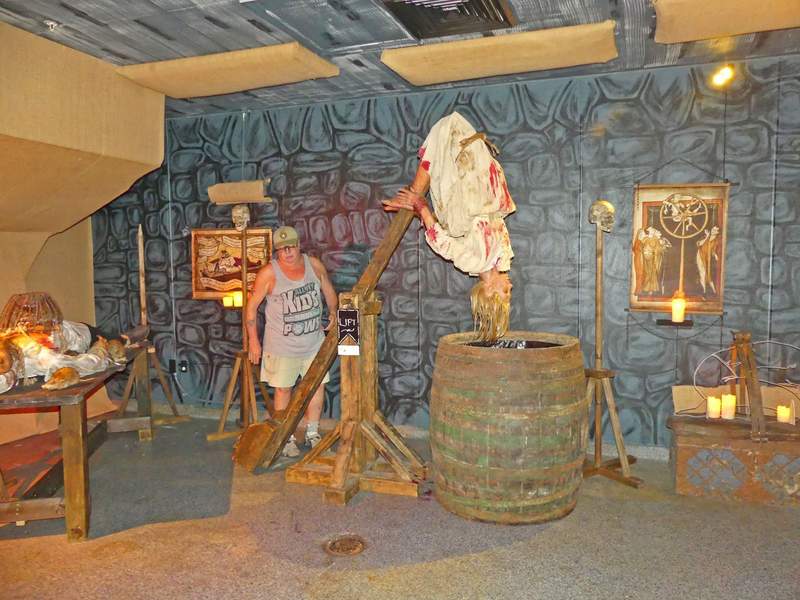
One of the most unusual museums in St. Augustine is the Medieval Torture Museum. You’ll see instruments ranging from a simple guillotine to the “Spanish Tickler,” a set of sharp claws once used to tear flesh during interrogations.
A few of the most memorable pieces:
- The Spanish Horse: A pointed, sawhorse‑shaped device where prisoners, often women accused of witchcraft, were seated with weights tied to their legs.
- The Witch Dunker: Accused witches were tied and dunked headfirst into a barrel of water. Survival meant they were guilty, drowning meant innocence.
- The Gossipers Violin: Even gossiping got you in trouble, you sat with three clamps locking your hands and neck into a rigid line for days.
- Torture by Rats: A cage placed on a prisoner’s stomach with hot coals on top, forcing the rats downward where they dig into the prisoner’s flesh. The exhibit is realistic, but thankfully the rats aren’t.
SheBuysTravel Tip: Unlike most museums, you’re encouraged to touch the instruments.
Fort Matanzas
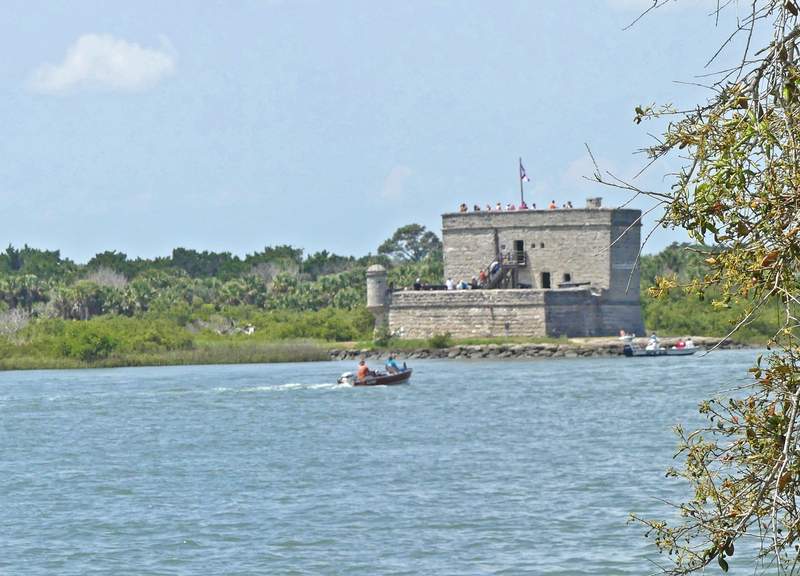
Take the free ferry at Fort Matanzas National Park where Florida’s history changed forever. In 1565, Pedro Menéndez, founder of Saint Augustine, met and defeated French militia under Jean Ribault, commander of Fort Caroline, a French settlement in what is now Jacksonville, securing St. Augustine’s Spanish future.
The fort, built in 1742 from coquina stone, absorbs cannon fire like a sponge. Costumed soldiers demonstrate daily life at this small outpost. The ferry and park are free, but you must register at the Visitor Center.
Oldest House
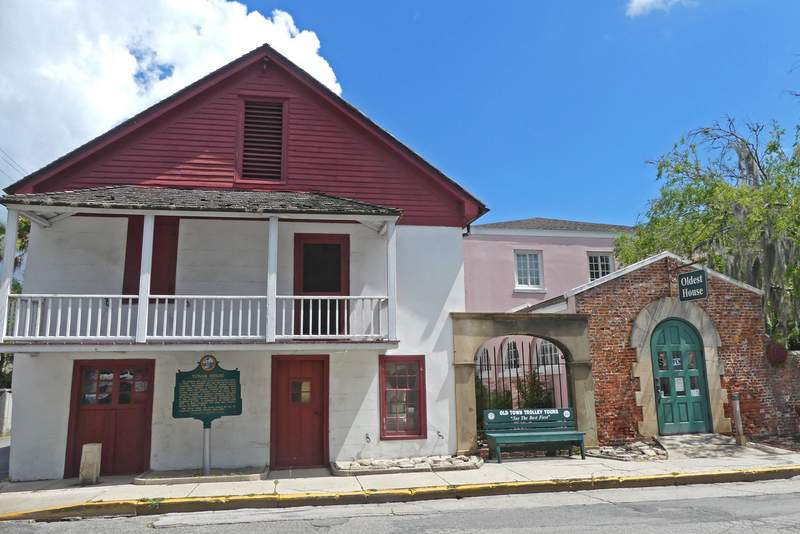
The Gonzalez‑Alvarez House, circa 1702, is part of the Oldest House Museum Complex and Gardens. The original one‑story coquina home was built by Spanish artilleryman Tomas Gonzalez Hernandez. After the English took control, Major Joseph Peavett added the wooden second story. During the second Spanish period, Geronimo Alvarez expanded it further, and his family lived here until 1882.
I love strolling through the gardens to the Webb House, which traces St. Augustine’s Spanish, English and American eras. Don’t miss the Tovar House, home to the St. Augustine Surf Culture Museum.
Spanish Military Hospital Museum
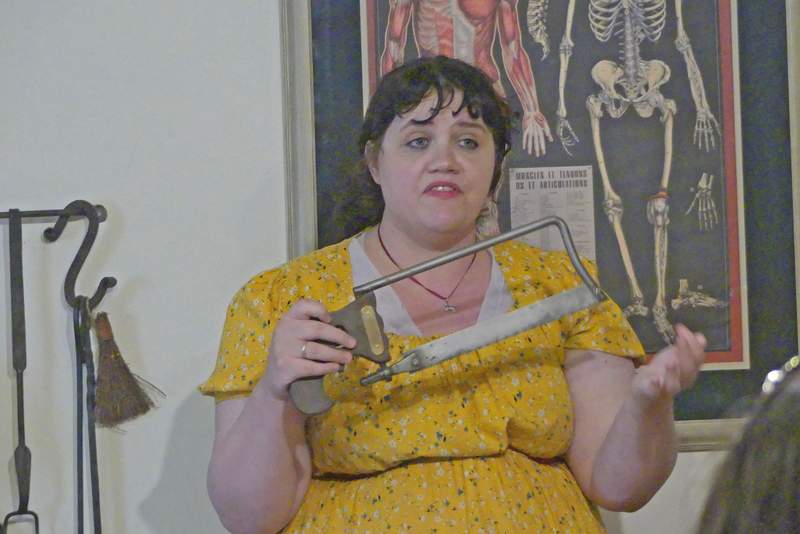
At the Spanish Military Hospital Museum, a docent walks you through 18th‑century surgical and apothecary procedures. Hacksaw‑style amputation tools, leeches and bloodletting make me grateful for modern medicine. It’s a vivid look at what a doctor’s visit once meant.
SheBuysTravel Tip: It’s pet-friendly if you are traveling with your fur baby.
St. Photios Greek Orthodox National Shrine
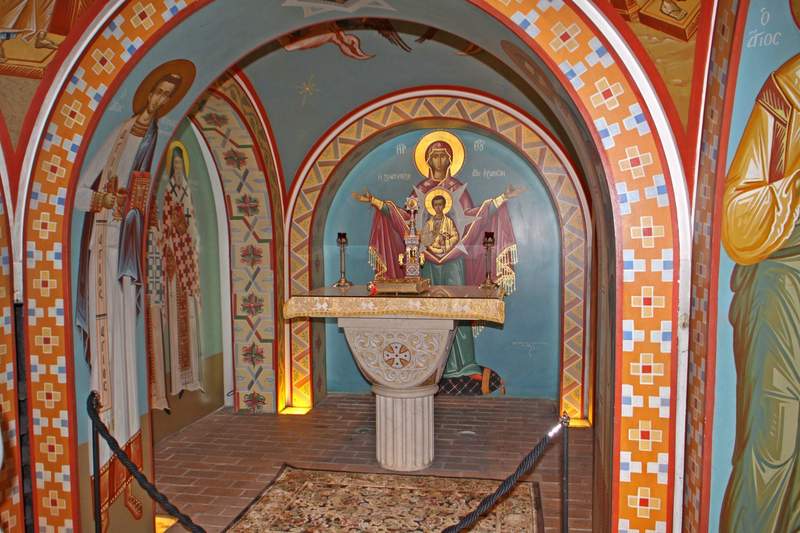
Even if religion isn’t your focus, St. Photios Greek Orthodox National Shrine on St. George Street is worth a stop. It sits on the site of the 18th‑century Avero House and tells the story of the Minorcan refugees who fled Andrew Turnbull’s New Smyrna Colony in 1777.
The building and gardens are beautiful, but the highlight is the chapel with its Byzantine icons and five painted domes that are breathtaking. Visit for free.
Old Jail
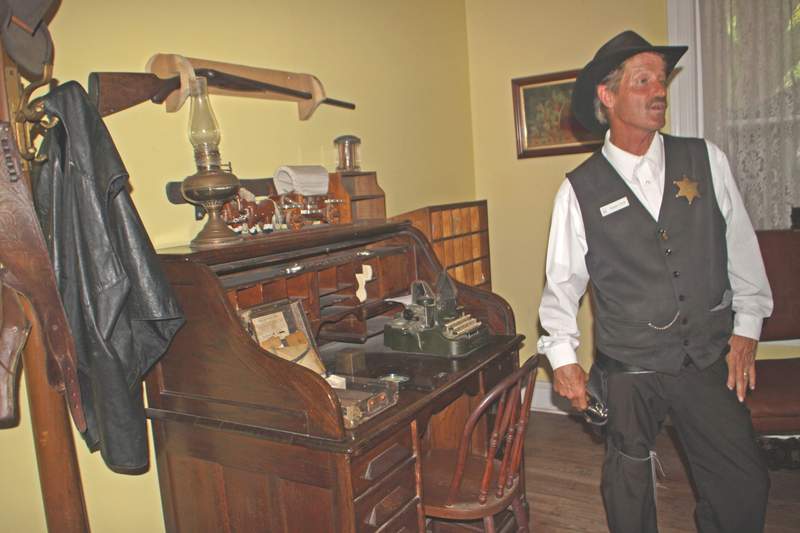
The Old Jail takes you into the late 19th century, when Henry Flagler was transforming St. Augustine into a winter resort destination for wealthy northerners. He didn’t want visitors seeing a jail near his upscale hotels (Hotel Ponce de Leon, now Flagler College, and Hotel Alcazar, now Lightner Museum) so in 1891 he commissioned a jail that looked like a home.
A “deputy” takes you into custody and leads you through the barred cells, the sheriff’s quarters and the gallows. A towering figure of Sheriff Joe Perry watches from the balcony. It’s a fun tour for all ages.
For the brave, nighttime paranormal tours offer ghost‑hunting equipment and access to one of the country’s most haunted buildings.
Oldest Store Museum
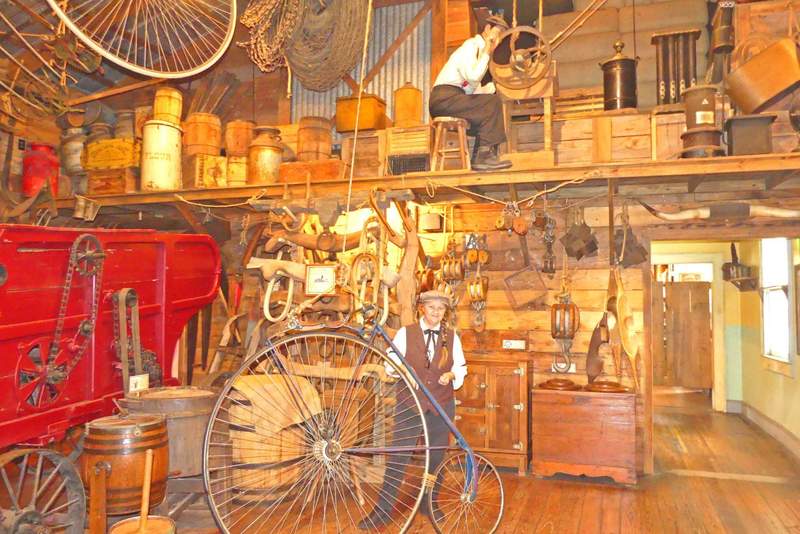
Just across the lot, step into 1908 at the Oldest Store. A period-style salesperson guides you through a general store once owned by Charles Hamblin, who supplied Henry Flagler’s hotel projects.
There’s everything from a goat‑powered washing machine to Edison’s latest music player. I love the penny‑farthing bicycles. The huge front wheel is notorious for throwing riders over the handlebars. It’s called “taking a header.”
SheBuysTravel Tip: This is Stop #1 on the Old Town Trolley tours, which includes free parking and hop‑on, hop‑off access to most attractions. It avoids fighting traffic and paying for parking. Plus, the knowledgeable drivers provide lots of information about all the attractions.
Villa Zorayda Museum
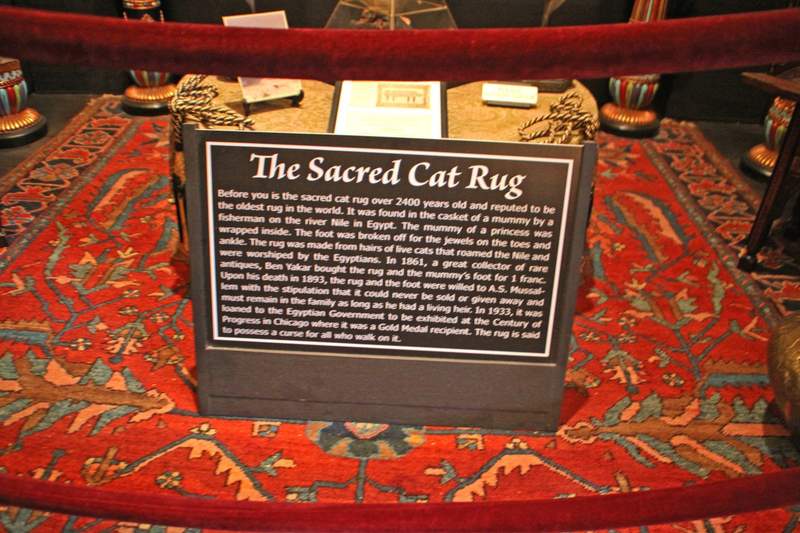
Across from Flagler College, visit Villa Zorayda Museum, built by Franklin W. Smith and modeled on Spain’s Alhambra. The home is filled with original antiques, oriental rugs and Egyptian artifacts. The standout is the 2,400‑year‑old “Sacred Cat Rug,” woven from Egyptian cat hair. Since it only had one other owner after Smith, most of the treasures are original.
St. Augustine Distillery
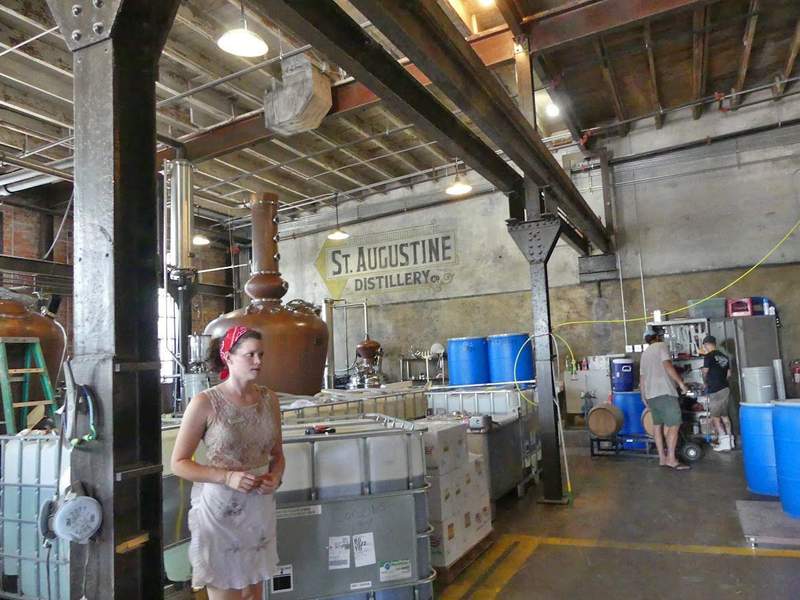
For a free tour and a tasty sip, visit St. Augustine Distillery. The distillery occupies a 1905 ice and power plant, and much of the original structure remains. Even the bar top is an 1880s salvage piece, and the floors and staircase come from 1860s Georgia homes.
Local farmers supply the grains and citrus, and the spent mash returns to feed cattle. The stills have names; Becky, the cooking still, is named for one of the owners’ grandmothers, and the refining still is named for Ella Fitzgerald. After the tour, sample spirits at the tasting bar. Tours run every half-hour.
SheBuysTravel Tip: Ice Plant Bar, in the same building, offers great food, cocktails, beer and wine.
Lincolnville Museum and Cultural Center
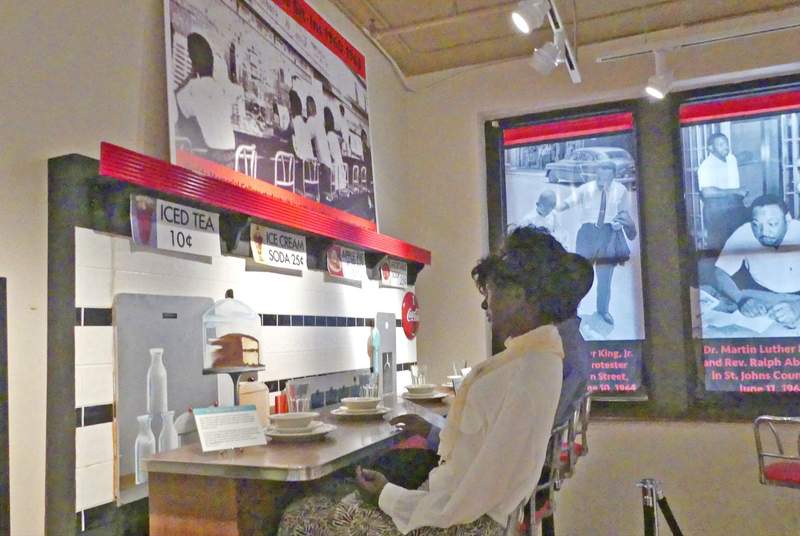
Lincolnville Museum & Cultural Center, once Excelsior School, a Black high school, walks you through African American history, focusing on local events, including the acid dumping at the Monson Motel pool and the arrest of Dr. Martin Luther King Jr.
My favorite exhibit is the original Woolworth counter where high school students staged a sit-in just before the Civil Rights Act passed.
Ancient City Classic Car Museum

The Ancient City Classic Car Museum opened in 2020. The 30,000‑square‑foot space showcases rotating cars and pickups dating back to the 1800s. I love the replica Batmobile and Elvis’s 1957 Cadillac convertible. Those of us of the Boomer Generation will spot the dream car from our youth; younger visitors will admire the fin‑tailed beauties.
St. Augustine Aquarium
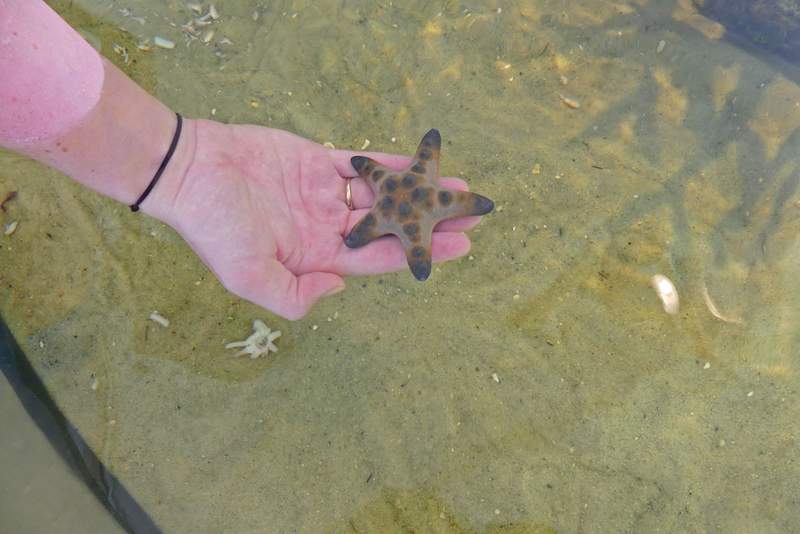
Shawn and Kathy Hiester opened the St. Augustine Aquarium in December 2016, believing a coastal city deserved one. You can enjoy interactive tours led by Marine biologists. The newest addition is the Stingray Habitat. I especially enjoy the Touch Tank, where I handle starfish, urchins and horseshoe crabs.
You can even snorkel with the fish. The aquarium provides the gear—you bring your swimsuit and towel.
SheBuysTravel Tip: The aquarium offers camps and classes for school-agers.
FAQ: Little-Known Saint Augustine Attractions for Female Travelers
Yes. Many of St. Augustine’s lesser‑known museums, historic homes, and specialty exhibits are located in well‑traveled areas of the historic district or along major corridors. These spots tend to be quieter than the big attractions but still have steady foot traffic, making them comfortable for solo exploration.
Travelers often look for alternatives to the Castillo or St. George Street crowds. Offbeat options include micro‑museums, unusual medical or military exhibits, quirky specialty collections and immersive historic homes that reveal unexpected layers of the city’s past.
Women planning group getaways often want fun, photo‑friendly stops. St. Augustine’s hidden gems like themed museums, historic gardens and boutique‑style exhibits offer memorable shared experiences without the heavy crowds.
Several small museums, shrines and historic homes provide peaceful environments where you can slow down and absorb the city’s character. The Oldest House and St. Photios Greek Orthodox National Shrine in particular are very peaceful . These spots are ideal for travelers who want a breather between the more popular attractions.
Absolutely. St. Augustine has a surprising number of niche museums and specialty exhibits that mix historical storytelling with unusual artifacts or immersive demonstrations. These experiences appeal to travelers who enjoy history with a twist. All of the ones in this article have a historic angle.
Read more:
- Things to Do in St. Augustine – the Fountain of Youth and Beyond
- Best Florida Beaches for Families
- Beaches, Wine and History – 13 Free Things to Do in St. Augustine
- St. Augustine, Florida: 500 Years Old and So Much to Offer


Leave a Reply