


From natural disasters to political instability, today’s travelers need more than just a passport and a plan. These practical, real-world safety tips from experienced travelers will help you stay confident, prepared, and protected so you can explore boldly without taking unnecessary risks.
Highlights
- Smart preparation can turn worst-case scenarios into manageable detours
- The right safety tools matter more than ever in unpredictable regions
- Confidence is the goal of modern travel planning
This post is sponsored by Medjet.Horizon.
It Can Be Scary Out There
We all like to think that our long-planned and much-needed vacation will be idyllic. That’s what my friend thought when she took her family to London, only to have a terrorist attack people walking on the bridge in front of her hotel.
She’s far from alone in finding the troubles of the world followed her halfway around the globe.
Within the last year, tourists have been faced with an eruption of cartel violence in the “very safe” town of Puerto Vallarta, stranded across the Middle East when war broke out, rocked by an earthquake in Thailand, and warned about “increased instances of kidnappings” in Brazil. It’s a little scary out there these days!
Here’s the good news: We don’t have to stop traveling. We just have to travel smarter.
Uncertain times aren’t a reason to stay home; they’re a reason to prepare differently. With the right mindset and these six strategic safeguards, I plan to continue to explore the world with energy and enthusiasm.
1. Start With an Evacuation Plan

Before my first trip to Africa, I bought a MedjetAssist medical evacuation membership. I figured it would come in handy if I had a close encounter with a lion and landed in a hospital somewhere in Africa but wanted to be treated at home. I knew that insurance only evacs you to the “nearest adequate” hospital in an emergency, to get moved home requires something more. I still have that membership, but these days it’s not enough. Before my next trip, I’m going to upgrade to the MedjetHorizon membership.
It includes all of the medical evac benefits and goes a step further to provide 24/7 support in the event of all sorts of terrifying things that could happen, from a terrorist attack to kidnapping or disappearance.
Real-life mindset shift: It’s not about expecting the worst; it’s about knowing you won’t be stuck navigating a crisis alone, in a foreign system, when you’re at your most vulnerable.
2. Know the Local Risk Landscape Before You Go
Not all risks are obvious. A destination might look idyllic on Instagram but be experiencing political unrest or rising crime.
Take Haiti, for example. It’s beautiful, culturally rich and historically significant. But the island nation is beset by gang violence that makes it extremely dangerous for travelers.
How to stay safe:
- Check U.S. State Department travel advisories for the country or countries you plan to visit.
- Check reader-sourced sites like Reddit and TripAdvisor to read reports from travelers who have visited recently
- If you plan to visit despite the warnings, identify “safe zones” within a destination
SheBuysTravel Tip: Note that the State Department’s Level 4 “Do Not Travel” really means do NOT go. Not only will insurance not work for you in those countries, the government may not be able to help you in an emergency either.
3. Have a “What If” Plan for Natural Disasters
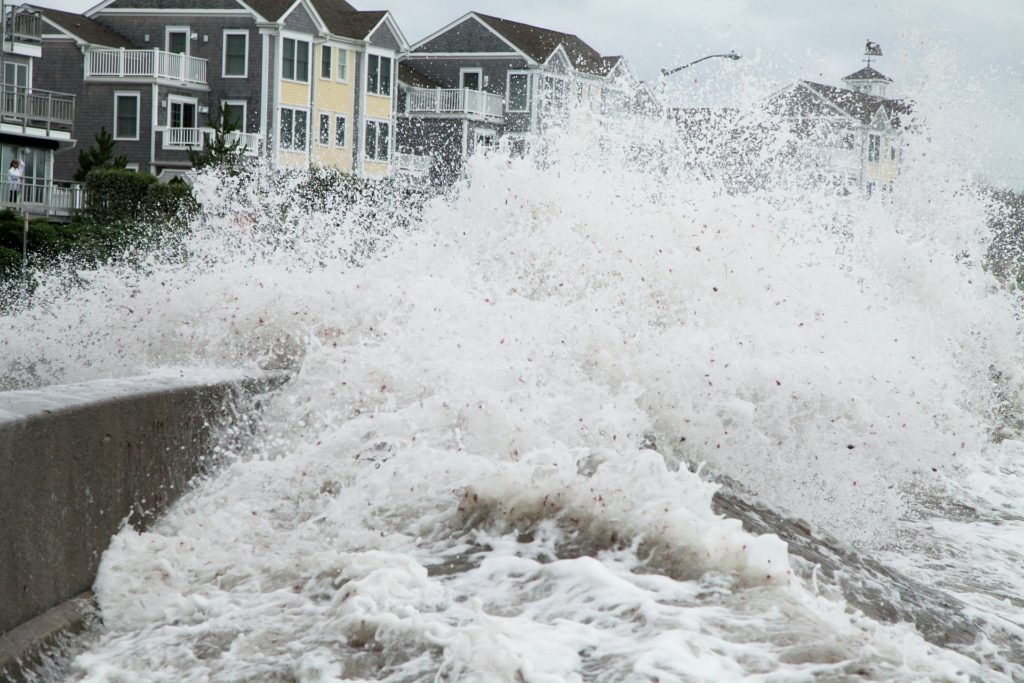
The US Centers for Disease Control and Prevention recommends:
- Be informed : Know what type of emergencies happen in the area where you are traveling.
- Make a plan: Have safe places identified for your family and others with whom you are traveling to meet if separated and make sure you know how to let them know you are okay.
- Make a kit : Create a travel health kit that includes first-aid supplies, copies of important documents (such as passport or prescriptions) and a list of emergency contacts.
4. Share Your Plans
This is especially important if you’re traveling solo. Always let someone know where you’ll be and when. That way, if something goes wrong, officials know where to start looking, which is the first step toward a speedy rescue.
- Share your itinerary with a trusted contact
- Check in regularly
- Use location-sharing apps when appropriate
- Enroll in STEP (the government’s Save Traveler Enrollment Program). It lets the local consulates know you’re in the area if there is an emergency
Also, if you’re traveling with friends or family, make sure everyone in the group has access to important personal information for each traveler. That includes an emergency contact, blood type, allergies, medications, and any other critical medical details.
Breeze Leonard learned this firsthand while traveling with friends of her parents when a boat accident left one of their travel companions seriously injured and hospitalized in a developing country. In the chaos, no one knew her blood type or who to contact back home. It was a terrifying experience and a powerful reminder that having this information readily available can make all the difference in an emergency.
5. Stay Situationally Aware
You don’t need to walk around on high alert, but it’s important to stay tuned in. It’s not only safer, it’s the best way to explore the world.
Simple habits go a long way:
- Notice exits when you enter a space
- Avoid distractions like walking while glued to your phone or with ear buds limiting your ability to hear what’s happening around you
- Trust your instincts if something feels “off” and react quickly
6. Keep Digital and Physical Copies of Everything
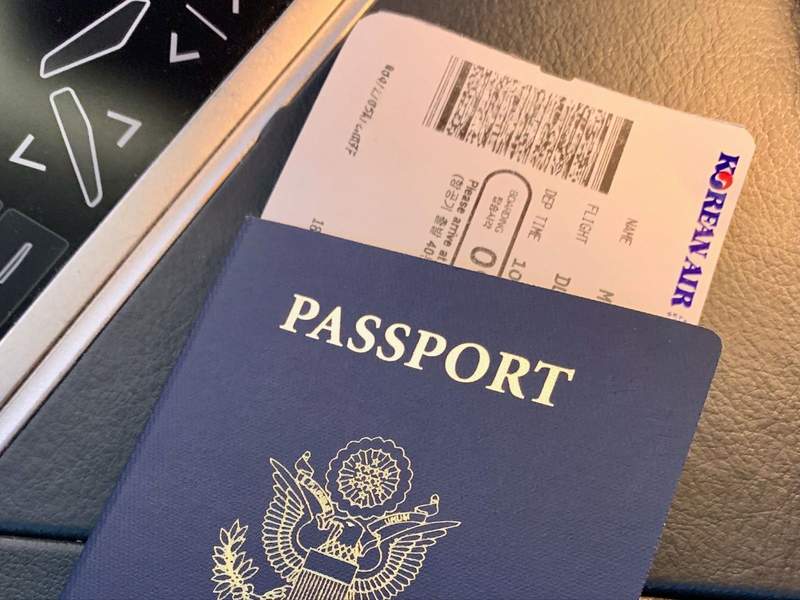
Passports get lost. Phones get stolen. Systems go down.
Go old school by traveling with:
- Printed copies of your passport and ID
- Backup credit/debit cards
- Offline access to key documents
Final Thought
Travel is still one of the most powerful, enriching things we can do. The goal isn’t to eliminate risk entirely; it’s to manage the risks so we can keep saying yes to the world.
FAQs
You can travel safely by planning ahead, understanding local risks and preparing for emergencies. Key steps include having crisis intervention and medical evacuation coverage like that offered by MedjetHorizon, staying aware of your surroundings, sharing your itinerary and following US State Department warnings.
The most important tip is to have a clear emergency plan before you go. This includes knowing how you’ll access medical care, how to leave the country quickly if needed, and having backup documents and extra cash.
No. Travel insurance covers lost luggage fees and travel disruption and cancellation. But it doesn’t help you in a crisis such as a terrorist attack or natural disaster, nor does it guarantee transport to your preferred hospital at home.
Solo travelers should share their itinerary, stay in well-reviewed accommodations, remain aware of their surroundings and research destination-specific risks before arrival.
Today’s travelers face a mix of risks, including political instability, crime, health emergencies, and natural disasters. Being prepared, not fearful, is the best way to handle them.

Leave a Reply