

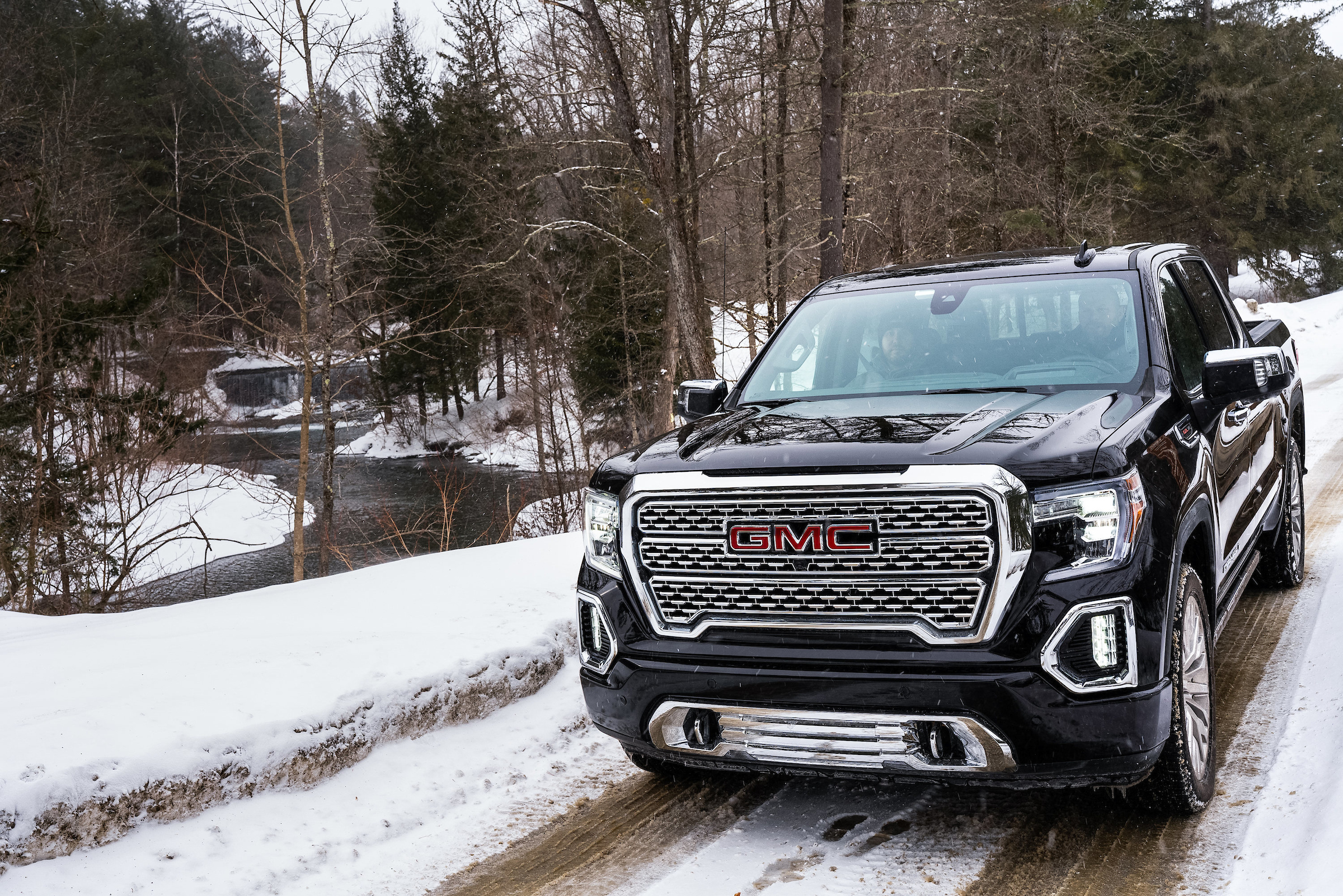
Snowy roads don’t have to derail your winter plans. These practical winter driving tips help even warm-weather drivers stay safe on icy, snow-covered roads. Plus, you’ll learn some smart driving habits that build confidence when conditions turn treacherous.
Highlights
- How to prepare your car — and yourself — before winter weather hits
- Essential winter driving tips for snow, ice and low visibility
- What to do if you get stuck and the safety gear every car should carry
Winter Diving Tips
Snow. Ice. Wind. All excellent reasons to stay home under a weighted blanket with a glass of wine. But sometimes you still have to get behind the wheel.
If winter driving makes you nervous, you’re not alone. Whether you’re heading to the mountains for a ski trip, traveling for the holidays, or just running out for milk and cookies, these winter driving tips will help keep you safe when cold weather hits.
I learned many of these lessons first-hand while driving through winter-wonderland Stowe, Vermont, where conditions can change fast and confidence behind the wheel matters.
Monitor Winter Weather Conditions

Winter driving isn’t just about snow. It’s sleet, black ice, freezing rain and that mysterious “wintry mix” that sounds more like a cocktail than a forecast.
Conditions can change dramatically along your route. On my drive from New York to Vermont, I left sunny, 40-degree weather behind and drove straight into high winds, blowing snow and reduced visibility.
Winter Driving Tip: Check weather conditions not just at your starting point, but along your entire route and at your destination. Adding your destination to a weather app before you leave helps with both safety and packing — like remembering long underwear when single-digit temps are forecast.
Winterize Your Car with the Right Tools
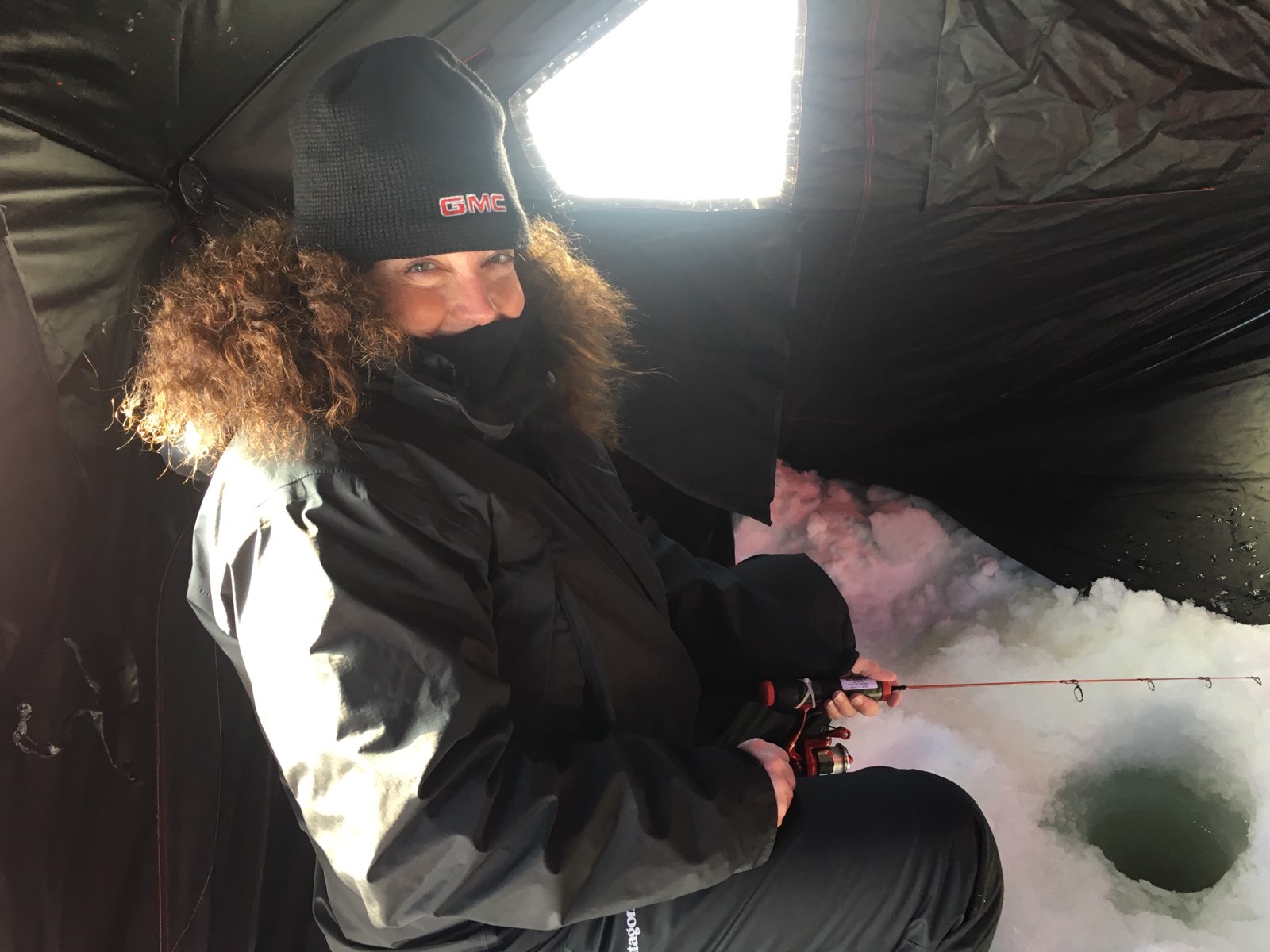
Confession: I’ve run out of windshield wiper fluid during a snowstorm and had to peer through one clear streak in the glass.
Never again.
Right now, before you start the car, check to ensure it’s winter-road ready by:
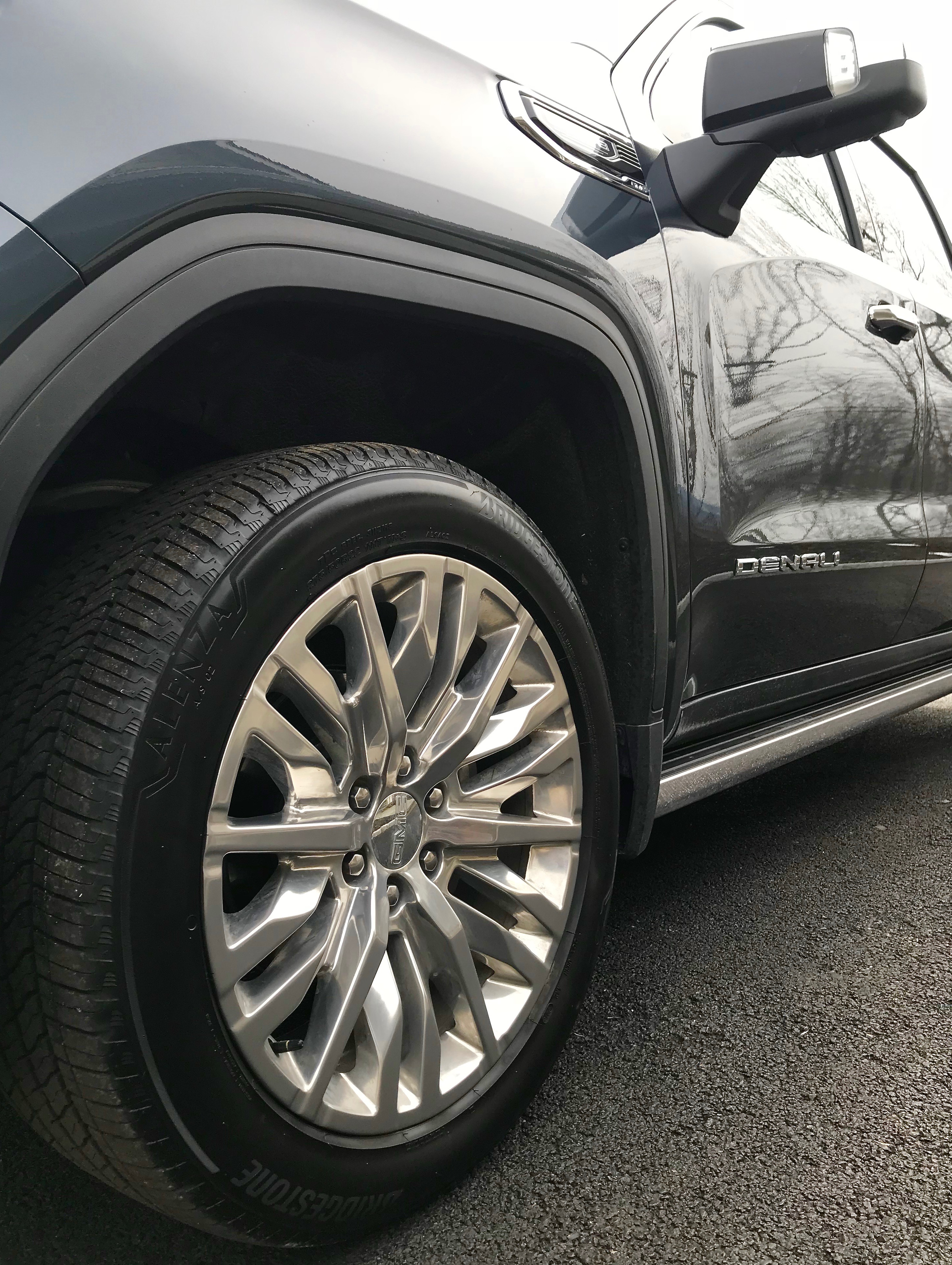
- Checking tire tread (or installing snow tires if needed)
- Replacing windshield wipers (front and rear)
- Topping off winter-grade windshield washer fluid
Then load your trunk with winter essentials (see below) so you’re not scrambling when the weather turns ugly.
Drive Slower Than You Normally Do
Have you ever been passed during a winter storm by a tiny, speeding sedan? My immediate reaction is always “Where the heck do you need to be so badly that you’re driving like a loon?”
Winter roads demand patience. Even if the speed limit says otherwise, slowing down gives you extra time to react if your vehicle slides or visibility suddenly drops.
Winter Driving Tip: Leave early, lower your speed and give yourself plenty of room between cars.
Clear Snow From Your Exhaust Pipe
If you’re going to run your car to warm it up, take a few minutes to clear snow and ice from in and around your vehicle’s exhaust pipe.
A clogged pipe can cause dangerous levels of carbon monoxide to build up inside your car, creating a potentially dangerous situation.
What to Do If You Get Stuck
Help!!!! It will be the first thought that runs through your head, and then you’ll start rummaging through the glove compartment, looking for stale granola bars to tide you over.
The best thing you can do in this situation is to make plans in advance. First, have some type of roadside assistance plan in place so you can get help if snow or icy conditions force you off the road.
Many new cars come with a period of complimentary assistance, like OnStar. These can become quite pricey to retain, however. Alternatives include reliable AAA. They’ve been around since 1902 — for a reason. There are a variety of membership options to fit your budget.
Winter Driving Tip: If you don’t have a roadside assistance plan in place, notify someone of your route before you head out. And stick to major roads where it’s more likely help will find you, should you get stuck.
Winter Emergency Kit Essentials
- ice scraper (a credit card will work in a pinch, but the right tool makes the job So. Much. Easier.)
- snow brush
- jumper cables
- kitty litter
- snow shovel
- windshield wiper fluid
- extra pair of waterproof gloves
Winter Driving Tip: Keep your gas tank at least half full to prevent fuel line freeze-ups.
What’s the Most Important Winter Driving Tip?
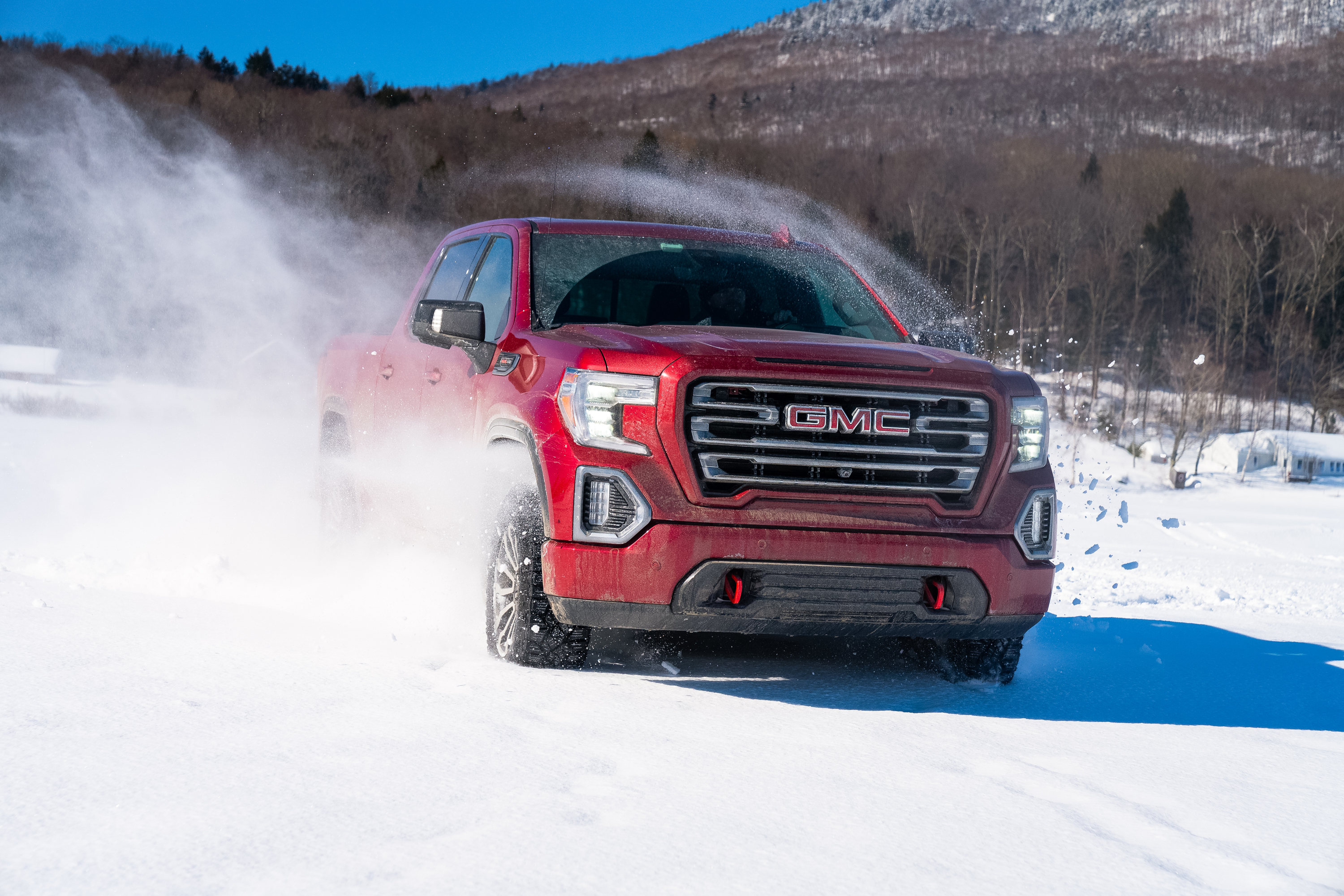
Modern vehicles come with helpful technology—anti-lock brakes, stability control, all-wheel or four-wheel drive—but none of it replaces good judgment.
Aaron Pfau, a Vehicle Performance Engineer with GMC, once reminded me of this simple truth:
Your brain needs time to process what it sees.
That means:
- Increase following distance
- Avoid sudden steering movements
- Don’t pump the brakes—maintain steady pressure
- Give snow plows plenty of space
Technology helps, but smart driving is what gets you home safely.
Read More
- Fashion Advice: Winter Travel Outfits that Don’t Compromise on Style!
- From Sand to Snow: The 14 Best Winter Vacations in the United States
- Fun Winter Things to Do in Quebec City (and What to Wear so You’re Not Miserable)


Leave a Reply