


As a travel journalist, I spend much of the year traveling throughout the United States and internationally, but my experience with brand loyalty began decades before it became part of my profession. For travelers wondering whether staying loyal to an airline, hotel group or rental car company is really worth it, I’ll share what years of business, personal and professional travel have taught me: the greatest value often isn’t the points, but how much easier loyalty can make the journey.
Highlights
- Brand loyalty can make travel easier, more comfortable and less stressful, providing benefits beyond points and miles.
- Business travel can build airline and hotel status that later provides valuable perks and savings on personal trips.
- Loyalty makes the most sense when the price, quality and convenience are comparable. Sometimes the better choice is to book another brand.
Let us inspire your travels! Sign up for our newsletter now.
The Long-Term Value of Travel Loyalty

I never set out to become an expert in travel loyalty.
In my twenties, I wasn’t studying loyalty programs, calculating the value of points or thinking about lifetime status. I was traveling frequently for my career in the medical field and taking personal trips with family. Travel writing wouldn’t become part of my professional life for decades.
My decisions were practical. If a hotel was reliable, well-located and within budget, I stayed there again. If an airline worked well for where I needed to go, I kept flying it.
It was a habit more than a strategy.
Decades later, those ordinary decisions have changed the way I travel. Years of staying within the same hotel family eventually earned me Lifetime Diamond status with Hilton. My years of flying Alaska Airlines carried me across the million-mile threshold.
I didn’t have a master plan to reach either milestone. But if I were starting over today, I would be more intentional because I’ve learned just how much those repeated choices can come back to me in money, comfort, and time.
You don’t need decades of travel or top-tier status to use the same approach. You can start with your next trip.
Why Loyalty Beats “Deal Hunting” in the Long Run

It’s tempting to book whichever airline, hotel or rental car company offers the lowest price each time you travel.
Sometimes that’s exactly what you should do.
I am loyal, not irrational.
If another hotel is considerably less expensive, much better located or simply a better choice for a particular trip, I book it. The same goes for airlines. Paying substantially more or making travel inconvenient just to earn points defeats the purpose.
But when price, location and quality are comparable, concentrating your travel with fewer brands can pay off over time.
One hotel night doesn’t seem important. Neither does one flight. Repeat those choices for years, however, and the points, miles and perks begin to add up.
That’s how I eventually reached Lifetime Diamond with
SheBuysTravel Tip: When two options are close in price and convenience, check what you would earn from each before booking. A few dollars saved today may not outweigh points, miles or progress toward status you’ll use later.
Rule #1: Don’t Pick My Brands—Pick the Ones That Match Your Hub

The brands that work for me may make absolutely no sense for you.
Where you live matters. So do the places you visit most often, your budget and how you like to travel.
Start with your home airport and the destinations you visit regularly. Then consider which hotel companies have properties where you actually want to stay.
A few questions can quickly narrow the field:
- Which airlines best serve my home airport?
- Where do I fly most often?
- Does the airline belong to an alliance that expands my options?
- Which hotel companies have properties where I regularly travel?
- Do those properties fit my usual budget and travel style?
- Would I actually use the perks the program offers?
Don’t choose a program because someone else has impressive status with it. Choose one that fits the way you travel.
Your loyalty program should work for you, not the other way around.
SheBuysTravel Tip: Review your trips from the past year. If you naturally booked the same airline or hotel family several times, start there. You may already be building the foundation for a loyalty strategy without realizing it.
Calculating the Real Cost: Look Beyond the Base Rate
Loyalty changed the way I compare hotel prices.
I no longer assume the lowest advertised room rate is automatically the best deal.
Over the years, hotel status has given me complimentary breakfast, executive lounge access, room upgrades and early check-in or late checkout when available. Some of those perks save real money.
Suppose Hotel A costs $250 per night and Hotel B costs $275. Hotel A appears cheaper.
But what if status at Hotel B includes breakfast for two that would otherwise cost $50 each morning? If you planned to eat breakfast at the hotel anyway, that $275 room may actually be the less expensive choice.
I look at it this way:
Room rate + parking + mandatory fees + breakfast and other costs I expect to pay – benefits I will actually use = a better picture of what the stay will cost me.
The last part matters.
I don’t assign a dollar value to a perk simply because a loyalty program lists it as a benefit. An upgrade I don’t need doesn’t save me anything. Neither does free breakfast if I planned to eat at the café down the street.
Count what you would otherwise have paid for.
SheBuysTravel Tip: Compare the total cost of two hotels before deciding which is cheaper. Add the expenses you expect to incur at each property, then subtract only the included perks that would replace something you planned to buy.
Turning Required Business Travel into Family Vacations

Much of my hotel status grew out of business travel.
Whenever I had a choice within my employer’s rules and budget, I tried to stay within the same hotel family. I wasn’t thinking decades ahead. I knew the properties, generally knew what to expect and appreciated that familiarity during busy work trips.
Those nights eventually added up.
So did the flights.
Eventually, rewards earned largely through work began showing up on personal vacations.
This is something I wish more business travelers thought about. If your employer allows you to keep the rewards earned during work travel, those required trips can eventually benefit your personal trips too.
Points can cover part of a hotel stay or flight that otherwise would come from the family travel budget. Status can get you an upgrade, a complimentary breakfast or lounge access when you’re traveling for yourself.
For your next work trip:
- Add your personal loyalty number to eligible reservations.
- When policy, price and location allow, consider staying within the hotel family you personally use.
- Keep an eye on your points and progress toward status.
- Know your employer’s rules regarding rewards earned on company-paid travel.
Travel credit cards can add another layer to the strategy, but this doesn’t have to become a complicated points-and-miles hobby.
It never was for me.
SheBuysTravel Tip: Read your employer’s travel policy before your next business trip. If you’re permitted to keep points and miles, make sure your loyalty numbers are attached to eligible airline, hotel and rental car reservations.
The Alliance Advantage: Perks Beyond Your Primary Airline
One of the most useful things airline loyalty taught me was to look beyond the airline itself.
The alliance matters too.
I flew Alaska Airlines consistently for years and eventually became a Million Miler. What I hadn’t anticipated was how useful that loyalty could become when I wasn’t flying Alaska.
Through Alaska’s membership in the oneworld alliance, my Atmos Platinum status gives me oneworld Emerald status. A recent trip to Europe showed me what that could mean.
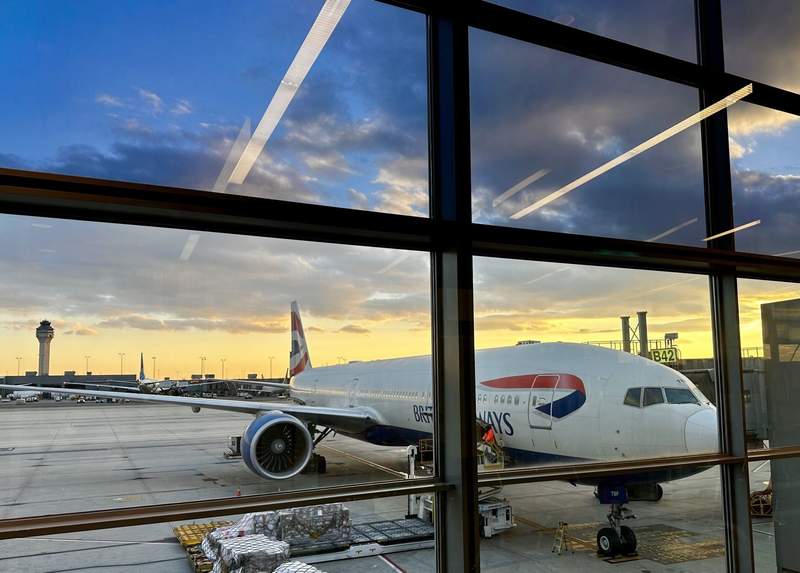
I booked British Airways economy tickets with points through Chase Travel using my Chase Sapphire Reserve, then added my Alaska loyalty number to the reservation.
On that itinerary, we could select seats, including exit-row seats, without additional seat-selection fees. We also received an increased baggage allowance, priority services and boarding, along with access to premium airport lounges.
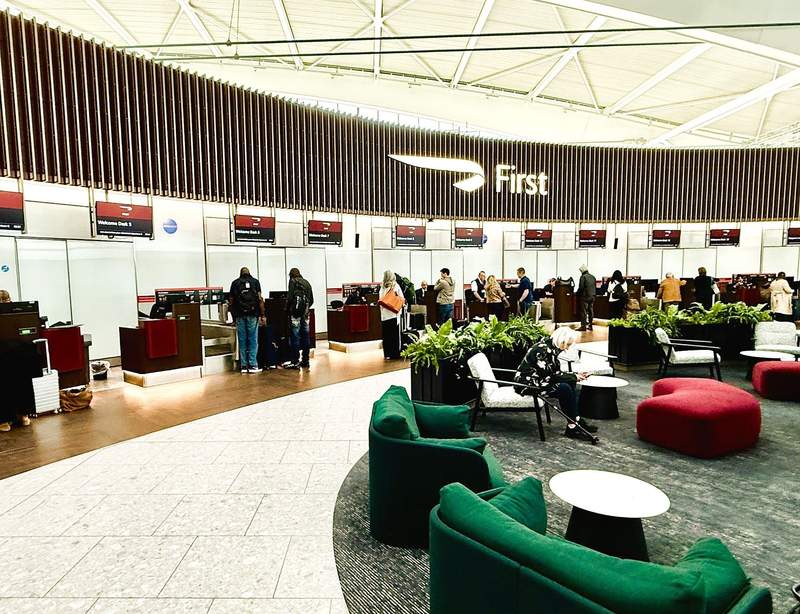
At Washington Dulles, we had access to a First Class lounge before departure. At London Heathrow, we used a separate premium check-in area and dedicated security before heading to the lounge.
Then we boarded our economy seats.
When people think about airline status, they often picture an upgrade to the front of the plane. I’ve learned that some of the most useful perks can happen before you ever board.
SheBuysTravel Tip: Check an airline’s alliance and partners before concentrating your flights with it. See whether your status could be recognized by other carriers you are likely to fly, particularly for international trips.
The Value of Time: The Unseen Benefit of Loyalty

Points, free nights and upgrades are fairly easy to calculate.
Time isn’t.
Yet the more I travel, the more I appreciate anything that gives some of it back.
Priority check-in can mean bypassing a long airport line. Earlier boarding gives you time to get settled. A lounge offers somewhere comfortable to wait during a connection. Hotel status may help you get into a room earlier after an overnight flight or stay later when your flight home isn’t until evening.
Rental-car loyalty is another good example.
Being able to bypass the counter and go directly to a vehicle might save 20 or 30 minutes. On one trip, that isn’t a big deal.
Do it 10 times in a year, and saving an average of 25 minutes each time gives you more than 4 hours back.
Status won’t prevent delays, cancellations or reservation problems. Depending on the program and situation, however, it may provide priority assistance or additional options when you need help.
After enough years on the road, I’ve come to appreciate these practical perks almost as much as the points.
SheBuysTravel Tip: Don’t overlook the time you save. Think about how often you travel and how much time priority lines, faster rental-car pickup or easier check-in could give back over the course of a year.
Action Plan: 4 Steps to Make Travel Loyalty Work for You
You don’t need to chase every promotion or join every loyalty program. Keep it simple.
1. Study how you already travel.
Review your home airport, frequent destinations, preferred hotels and typical travel budget.
2. Narrow your programs.
When price, quality and convenience are comparable, consider concentrating flights, hotel stays and rental cars with the companies that already work best for you.
3. Compare the entire cost.
Look beyond the initial price. Include bags, seat assignments, breakfast, parking and other expenses you would normally pay.
4. Reevaluate once a year.
Routes change. Programs change. Your travel habits can change too. A brand should continue earning your business.
Loyalty Is a Long Game

It’s easy to look at someone with lifetime hotel status or a million miles with an airline and assume there was an elaborate strategy behind it.
There wasn’t one behind mine.
I made thousands of ordinary travel decisions over many years. Eventually, they added up to something much bigger than I expected.
If I were starting today, I wouldn’t obsess over points or choose an inconvenient flight simply to earn miles. I would figure out which companies fit the way I already travel and, when the choices were reasonably equal, concentrate more of my business with them.
Maybe the return will be an upgraded room, breakfast on a family vacation or a shorter line at the airport. Or perhaps, years from now, it will be a perk you don’t even know exists today.
I started choosing the same travel brands because they worked for me.
Now I make those choices with greater intention.
FAQs
Travel brand loyalty can be worthwhile when you travel regularly, and the airline, hotel or rental car company fits your normal travel patterns. Points, upgrades, complimentary breakfast, lounge access and priority services can add real value over time. But loyalty shouldn’t mean paying significantly more or choosing an inconvenient option simply to earn points or status.
No. Loyalty should make travel easier, not limit your choices. When price, location, schedule and quality are reasonably comparable, concentrating your travel with one or two brands can help you earn points and build status. If another option is significantly cheaper, better located or more convenient, it may be the smarter choice.
Yes. If your employer allows you to use your personal loyalty accounts for business travel, eligible flights, hotel stays and rental cars can earn points, miles and qualifying activity toward status. Those rewards may later help offset the cost of personal trips, while status earned through work travel can provide additional perks when you’re traveling with family. Always check your employer’s policy and the loyalty program’s rules.
Start with the way you already travel. Consider which airlines best serve your home airport, the destinations you visit most often, where your preferred hotel brands have properties, and which perks you would actually use. The right program isn’t necessarily the one offering the most benefits. It’s the one that best matches your travel habits.
Read More:
- Is The Disney Credit Card Right for You?
- How to Triple Dip Hotel and Airline Loyalty Points Earned on Small Business Travel
- Save Money on a Luxury Disney Vacation by Renting DVC Points
- Travel Checklist: 13 Ways to Lessen Travel Anxiety and Prepare for Your Next Vacation

Leave a Reply