

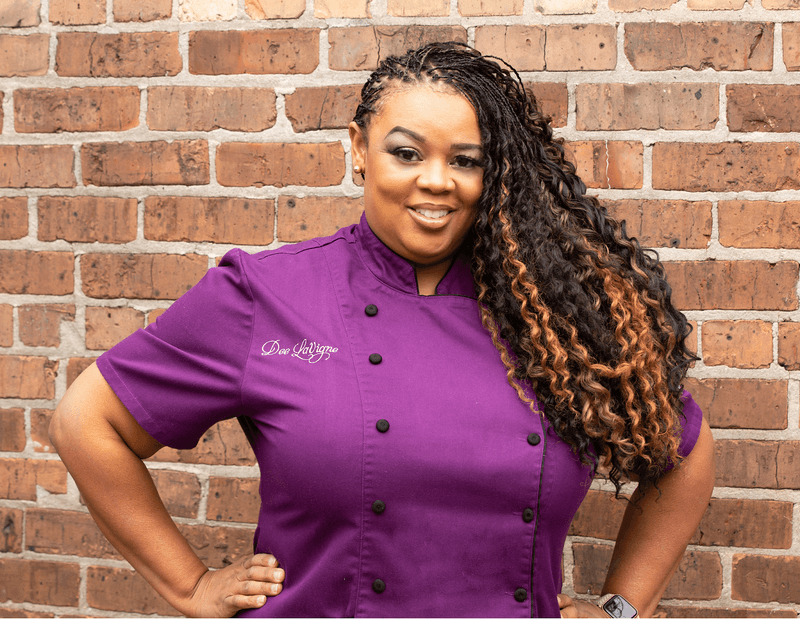
Join a cooking class to embark on a flavorful journey through history and cooking with Chef Dee Lavigne, where culinary arts meet heritage in New Orleans. Her educational and delicious experience seamlessly blends food, history and togetherness.
Highlights:
- Hands-On Culinary Experience: Participate in interactive classes that allow you to cook traditional Cajun and Creole dishes while learning about their rich cultural backgrounds.
- Connection to Pioneering Chefs: Discover the legacy of Lena Richard and other pioneering women in Southern cuisine, as you prepare recipes that honor their contributions.
- Culinary History & Culture: Classes are held in the Southern Food and Beverage Museum, where you’ll explore the significance of Southern food traditions and engage in cultural storytelling.
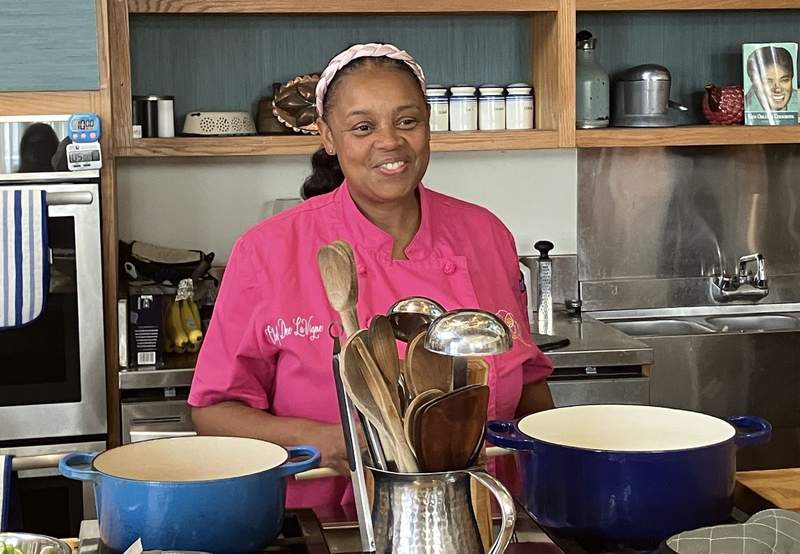
The writer was hosted.
Trailblazer Lena Richard defied Jim Crow-era barriers to become the first Black woman to host a televised cooking show, more than 10 years before Julia Child. In the 1930s and 1940s, Richard also authored a cookbook. Today, her legacy continues in Chef Dee Lavigne, who has opened the first Black-owned cooking school in New Orleans in 86 years.
Chef Lavigne welcomes beginners and seasoned cooks to create favorite Cajun and Creole dishes. Here are 5 reasons to take a class at the Deelightful Roux School of Cooking on your next visit to New Orleans.
Master the Difference Between Creole and Cajun
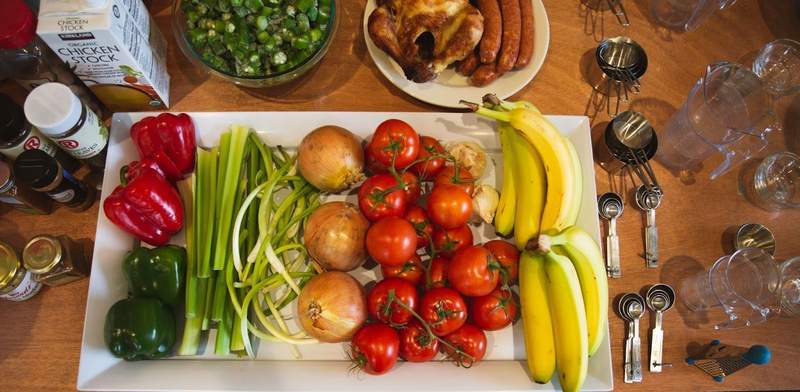
Cajun and Creole food share ingredients, such as rice, seafood (shrimp, crawfish and oysters), pork, and local vegetables like bell peppers, onions and celery (the “holy trinity” or roux). Dishes like Gumbo and Jambalaya appear in both. But this is where the similarities end.
Acadians, originally from France and exiled from eastern Canada, created rustic, hearty one-pot meals made of game, smoked sausage (andouille), and crawfish. Smoky, spicy, bold flavors dominated, with rare use of tomatoes and cream. Creole cuisine, born in New Orleans, borrowed from French, Spanish, African, and Caribbean traditions. Our group cooked Creole Jambalaya, smothered okra and tomatoes and bananas foster for an unforgettable lunch.
Create Your Own Creole and Cajun Lunch
Four other ‘sous chefs’ and I washed our hands, donned matching burgundy aprons, and fanned out to 5 fully stocked stations, with knives, mixing bowls, ingredients, spices, and seasonings. I navigated to a station at the back of the class. The first dish prepared was okra.
Smothered Okra and Tomatoes
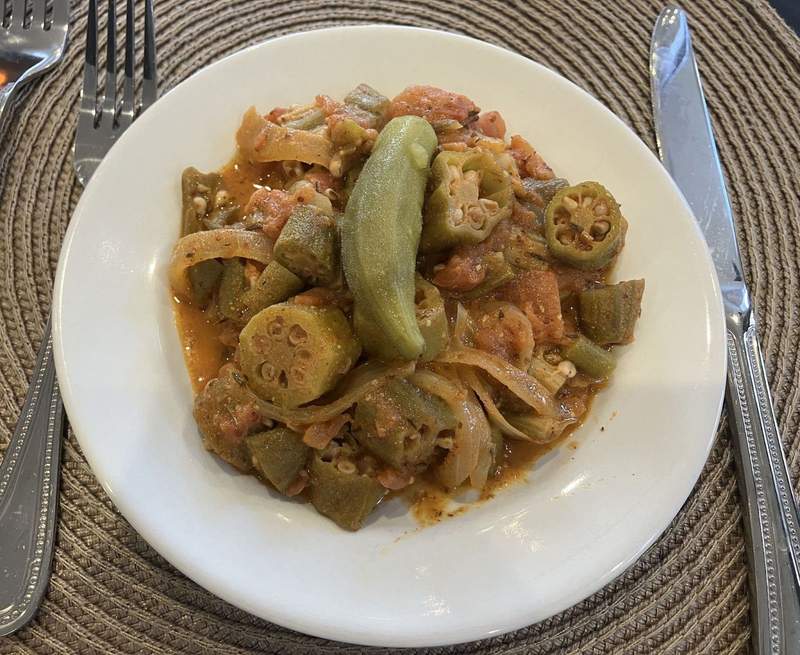
Okra landed in the southern states with enslaved Africans. The smothered okra and tomato recipe calls for julienne-sliced onions. As Chef Lavigne said, “Onions are the divas of the vegetables; they take over the show, scream the loudest and make you cry.” Next came the chopped okra, known for its sliminess when cooked. Adding acid neutralizes the slime. Once the tomatoes turn orange, the okra is ‘smothered’ by covering the pot. The dish is savory and tangy.
Creole Jambalaya
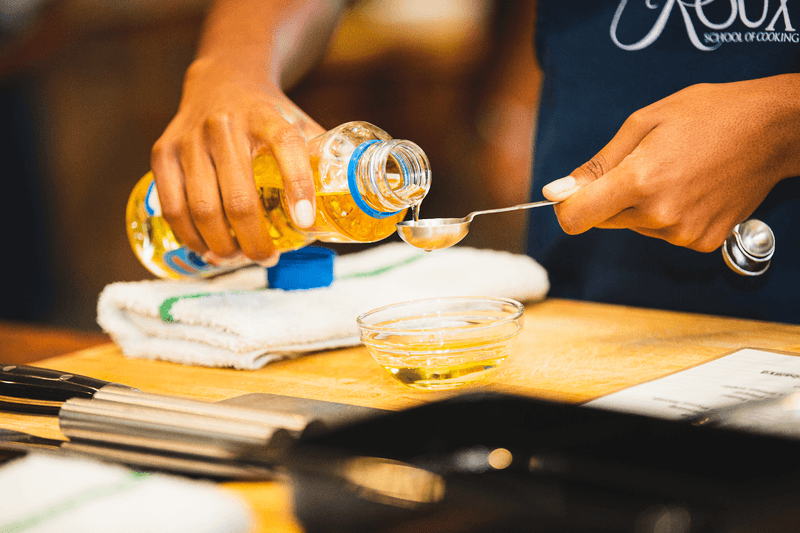
The team created Creole Jambalaya by forming a roux and layering in three types of proteins, tomatoes, spices, herbs, and rice. The mixture cooks low and slow, melding flavors. It thickens, blending hues of red, green, and brown. With each bite, I took in the smoky sausage, sweet shrimp, herbal notes and spice.
Bananas Foster
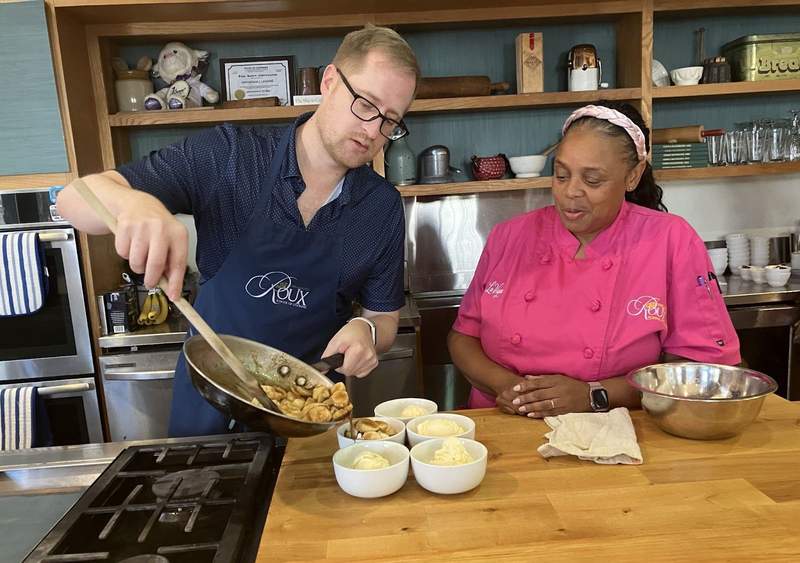
I have no words for the bananas foster. To say it was delicious is an understatement. Ella Brennan helped develop this rich recipe in 1951 and is honored for her contribution at the Southern Food and Beverage Museum, along with other famous women.
Celebrate Women in Southern Food
Chef Lavigne follows in the footsteps of fellow New Orleans native Chef Lena Richard, adapting the recipes and techniques while maintaining the Creole flavors. Richard self-published the New Orleans Cook Book in 1940, and in 1949, she appeared on New Orleans’ first television station. Chef Lavigne strives to keep Richard’s pioneering recipes alive. Other women also paved the way for female chefs.
Women Pioneers
Les Vendeuses bought freedom from slavery through selling food, such as calas (a rice fritter) or pecan pralines. Rose Nicaud pushed a coffee cart through the French Market and later opened her own shop. Nellie Murray traveled to Europe to cook for New Orleans aristocrats and made room for African American cooks like Leah Chase. According to Lavigne, “Women in the industry are still overlooked. They are pegged into a role of wife, mother, and homemaker and it’s hard to break out of it.” These and other women are honored at the Southern Food and Beverage Museum.
Take a Culinary Tour of the Southern U.S. States
Chef Lavigne’s cooking school is housed in the Southern Food and Beverage Museum, founded in 2004 to showcase the role of Southern food and drink in culture and folklore. The Museum maps out foodways across the Southern states. Each state’s exhibit includes its unique food traditions, ingredients, and culinary history. I was fascinated by the selection of kitchen gadgets, and was eager to pick up some new skills in the cooking class.
Sharpen Your Culinary Skills
My kitchen skills definitely need sharpening, so I picked what I thought was an easy task, not peeling shrimp or tomatoes, or chopping onions. Measuring out dry ingredients into tiny glass containers seemed less daunting until I combined the brown sugar with the Cajun spice into one bowl, even though they belonged in different recipes.
SheBuysTravel Tips :
- Wear comfortable clothing, closed-toe shoes and hair tied back.
- Arrive hungry, classes include cooking and eating a full meal.
- Be ready for cultural storytelling, not just recipes.
- Classes are hands-on, so participants will chop, stir, flambé, and plate dishes.
- Confirm accessibility of the museum and kitchen.
- Book a class with friends, or go solo.
Next time you are in New Orleans, book a class with Chef Lavigne. It’s more than just cooking instruction; it’s a window into culinary history across the southern United States.
Location: 1504 Oretha Castle Haley Blvd., New Orleans, LA 70113
To book a class, email [email protected] or call (504)-655-1195
Read More
- Soak Up Southern Culture and Cuisine the Luxury Way, on a Viking Mississippi River Cruise
- What to Wear in New Orleans to be Cool, Cute & Comfy
- What to Do in New Orleans – Making It Easy in the Big Easy

Leave a Reply