

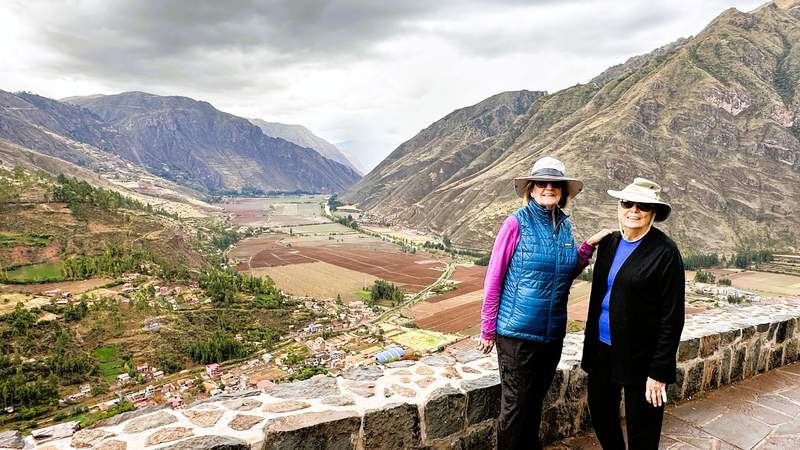
If your idea of a girls’ trip involves mountain hikes, ancient ruins and artisan shopping, Cusco should be at the top of your list. Once the capital of the Inca Empire, this city in the Andes of southern Peru pairs captivating history with distinctive hotels, memorable meals and adventures worth sharing.
Cusco Highlights
During a week in Cusco and the surrounding Sacred Valley of the Incas, my friend Ginger and I shared adventures like hiking to Machu Picchu’s Sun Gate. We also found time to tour historic churches, meet women artisans and relax in eclectic hotels.
- Cusco’s Historic Center : Spanish colonial architecture stands atop Inca foundations, revealing layers of the city’s fascinating past.
- The Sacred Valley: Explore ancient archaeological sites, traditional villages and dramatic mountain landscapes.
- Machu Picchu: Towering peaks frame the stonework of this majestic citadel, built in the 15th century, abandoned after the Spanish conquest and rediscovered in 1911.
- Peruvian cuisine: Sample traditional specialties, from ceviche to savory empanadas from street-food vendors
Editor’s note: The writer was partially hosted by Camiba Cultural Tours.
Planning Your Cusco Girls’ Adventure
Camiba Cultural Tours | Address: Cusco, Peru | Phone: +51 84 240000 | Hours: Guided Tour Schedule Varies
Featured Deal
Save up to 30% on your holiday rental car. The Avis Flash Sale takes up to 30% off at select cities and airports when you book by November 30 for rentals through December 31. No code needed. Join Avis Preferred free to skip the counter.
See the Avis Flash SaleGinger and I traveled with Camiba Cultural Tours. The small-group tour includes transportation within Peru, entrance tickets and accommodations while leaving time to explore independently. With the logistics arranged, we could focus on enjoying the experience together.
When to Go:
Consider May or September-October to avoid the busiest season, June-August. Rain is more frequent November-April.
What to Pack:
Bring layers, rain gear, sturdy walking shoes or hiking boots. Hiking poles help on mountain hikes. Don’t forget sunscreen and a hat.
What to Expect:
- Give yourself time to adjust to the altitude . Cusco sits at about 11,000 feet above sea level. Plan a relaxing first day. If you’re concerned about altitude sickness, consult your physician before departure about preventive medication.
- Drink bottled or purified water rather than tap water.
- Carry tissues and hand sanitizer. Follow posted restroom instructions to place paper in a wastebasket, not the toilet.
SheBuysTravel Tip: Coca tea is a traditional Andean drink, but it’s not a proven treatment for altitude sickness.
What to Do in Cusco
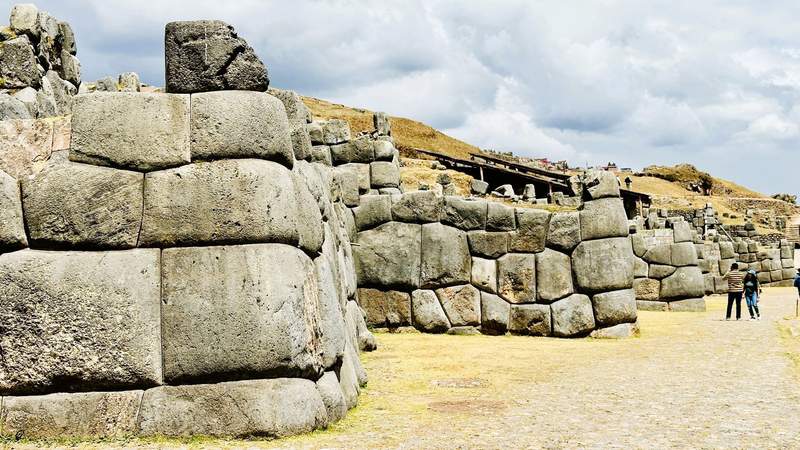
The narrow streets, lively plazas and colonial architecture of Cusco reveal layers of Inca and Spanish history. Its UNESCO-listed historic center deserves more than a quick stop on the way to other places.
Short on time? A half day Cusco city tour covers Sacsayhuamán and the city’s Inca highlights.
Plaza de Armas: The center of the Inca Empire in the 1400-1500s, this plaza pulses with activity from surrounding restaurants, shops and street vendors.
Cusco Cathedral and Iglesia de la Compañía de Jesús : These two churches offer insight into the city’s colonial history. Built with stones from Inca sites, their gold-and-silver altars and art blend Catholic and Indigenous influences.
Qorikancha: Conquistadors stole the gold from this site, known as the Temple of the Sun. Its surviving stonework illustrates the remarkable craftsmanship of the Incas.
Sacsayhuamán: On a hill overlooking Cusco, this monumental Inca complex features massive stone blocks assembled with astonishing precision without modern tools. Admire the walls and take in sweeping city views.
SheBuysTravel Tip: Most tours, like ours, include the Cusco Tourist Ticket, which provides access to many of Cusco’s and the Sacred Valley’s attractions and archaeological sites for one fee.
Adventures in the Sacred Valley
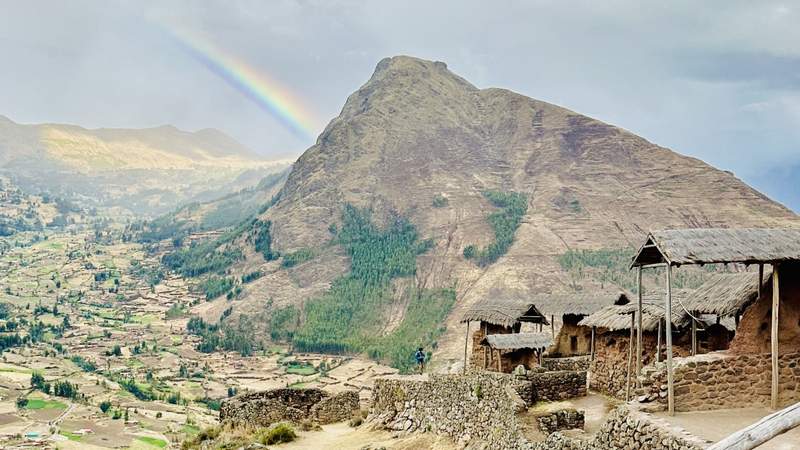
Beyond Cusco, the Sacred Valley brought a different rhythm to our trip. We traded busy city streets for dramatic mountain landscapes, archaeological sites and colorful villages. Our adventures took us closer to the Andean people–and llamas.
To see more in one day, book a Sacred Valley tour with Pisac, Ollantaytambo, the Maras salt mines and Moray.
Hike the Terraces at Pisac: A vibrant rainbow wowed us as we hiked to an ancient temple. Below us, llamas grazed on sweeping agricultural terraces curving around the mountainside.
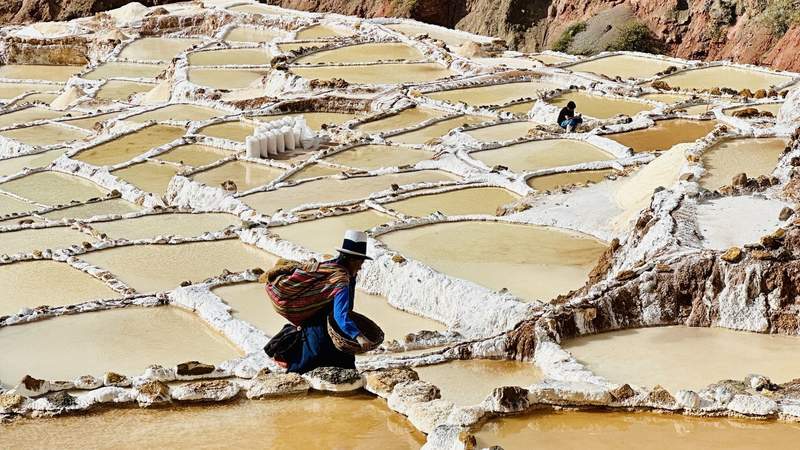
Watch Salt Harvesting at Maras: Thousands of salt pans cascade down into a valley, creating a patchwork of white pools. An underground saltwater spring feeds the pools, where locals still harvest salt by hand.
Marvel at Moray’s Farming Circles: Vast concentric terraces form one of the Sacred Valley’s most unusual archaeological landscapes. The Incas likely cultivated experimental crops there.
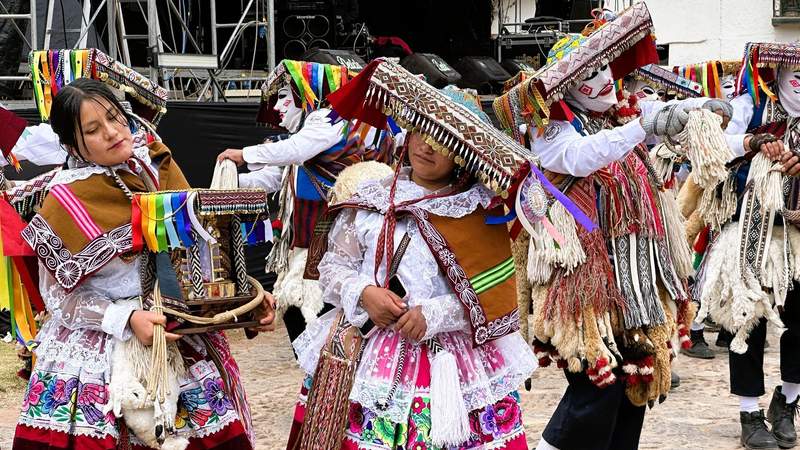
Experience Chinchero’s Living Traditions: We expected to explore archaeological sites, but found the village alive with a religious festival. Residents in colorful costumes filled the streets with music and dancing, providing a surprise glimpse into Andean culture.
Climb Stone Steps at Ollantaytambo: Steep stone steps led to a monumental temple complex. Pausing to catch my breath and take in the view, I was awed by the spiritual harmony between the Andean people and Pachamama, or Mother Earth.
SheBuysTravel Tip: Narrow, winding roads can create travel delays in the Sacred Valley. Be patient and enjoy the scenery.
Machu Picchu: Our Grand Finale
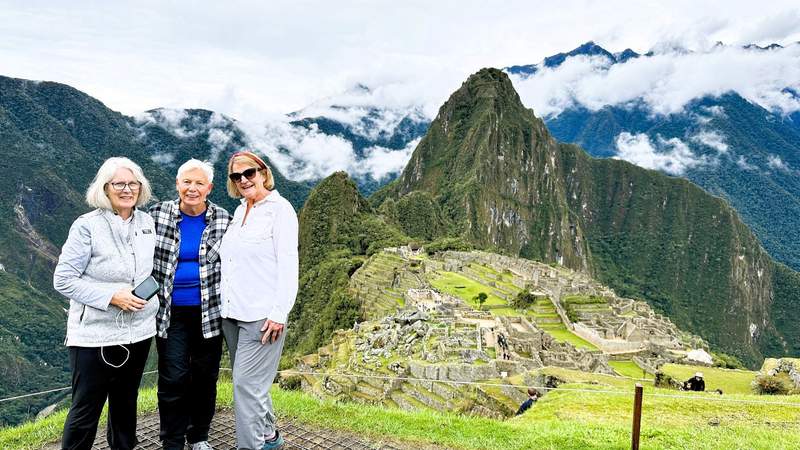
Machu Picchu brought together everything I loved about this trip: extraordinary Inca stonework, dramatic mountain views and the joy of sharing the adventure. Though a day trip from Cusco is possible, staying in Machu Picchu Pueblo gave us extra time to explore.
Planning a day trip instead? This one day Machu Picchu tour by train from Cusco handles the logistics.
Arrive by Train and Bus: The journey to the Inca citadel surrounded by the Andes is part of the adventure. A scenic train follows the rushing Urubamba River to town. Later, shuttle buses wind around hairpin turns, delivering visitors to the site.
Explore Machu Picchu with Local Guides . Our guides, Wilson and Andres, shared their deep knowledge of Machu Picchu, explaining how the Incas created the complex maze of walls and temples.
Share a Sun Gate View: Winded but elated, Ginger and I reached Inti Punku, the Sun Gate, after a two-hour hike in the rain. On the way down, we watched as the jagged green peaks magically emerged from the clouds.
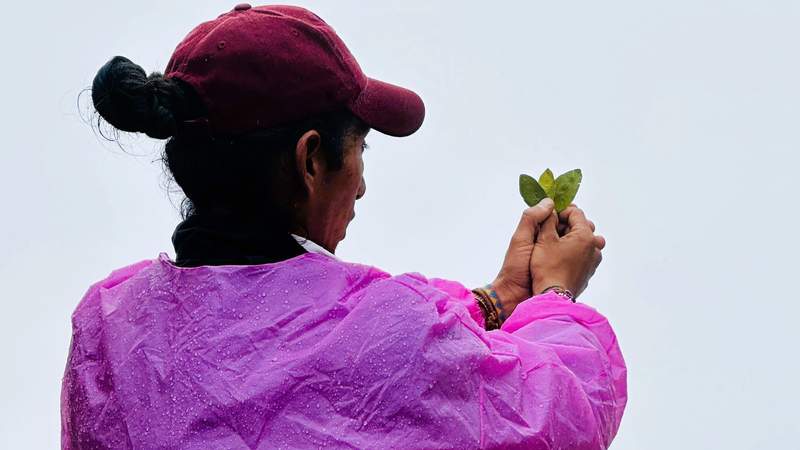
Pause to Take It All In : At the Sun Gate, our guide Andres held up three coca leaves in silent tribute to the emotional connection between the Andean people and the natural world.
Art and Culture in Cusco and the Sacred Valley
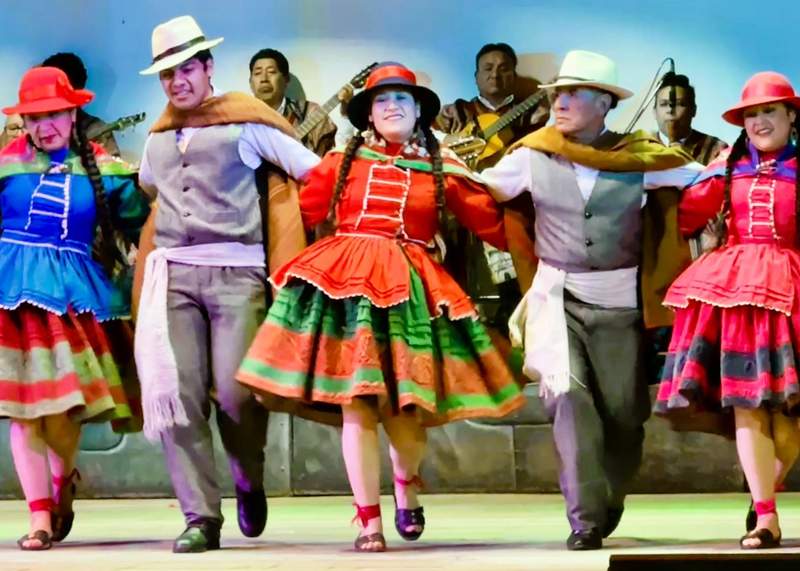
From lively folkloric performances to textile and ceramics workshops, Cusco’s art and culture offers ways to connect with local traditions.
- Qosqo Native Art Center : Don’t miss this lively Cusco folkloric music and dance performance, featuring vibrant costumes and Andean instruments.
- Grupo AMA Gallery : Cusco artisans design gold and silver jewelry inspired by Andean traditions and culture.
- Sara Textiles in Chinchero. Local women demonstrate how they turn alpaca wool into beautiful textiles, from washing and naturally dyeing the fibers to weaving.
- Pablo Seminario Ceramics : After touring the workshop in Urubamba, we fell in love with several handcrafted bowls inspired by traditional designs.
SheBuysTravel Tip: Look for genuine alpaca and ask about fiber content; splurge on items made with soft baby alpaca.
Where to Shop in Cusco
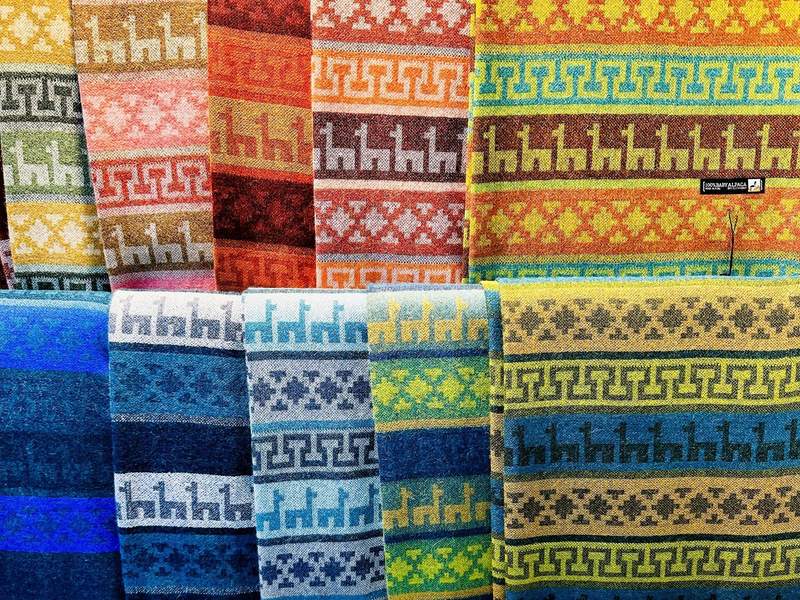
Shopping in Cusco feels like a treasure hunt, whether you’re searching for a special gift or simply enjoying the bustling markets. For Ginger and me, handwoven scarves, silver earrings and table runners proved irresistible.
- Centro Artesanal Cusco : An indoor market specializing in traditional Andean handicrafts, textiles, jewelry and souvenirs.
- San Blas: This hillside neighborhood, known as Cusco’s artisan quarter, features upscale galleries, workshops and independent shops.
- San Pedro Market: One of Cusco’s best-known public markets, offering a lively look at everyday life.
SheBuysTravel Tip: Market vendors often prefer local cash. Make sure you have Peruvian soles. Compare quality and prices, then bargain politely.
Where to Eat in Cusco
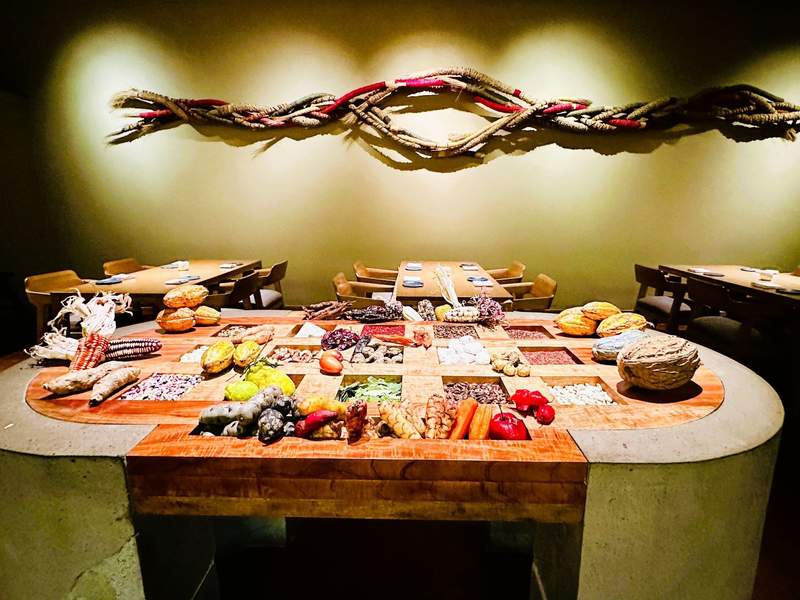
Meals let us sample Peru’s diverse cuisine, from sophisticated dinners in Cusco to pumpkin soup at an open-air cafe in the mountains with llamas. Pisco sours may be Peru’s iconic cocktail, but we also tasted chicha de jora, beer fermented from yellow corn.
- Chicha: This airy contemporary restaurant celebrates regional ingredients and Cusco culinary traditions with ceviches, pastas and creative takes on tacos.
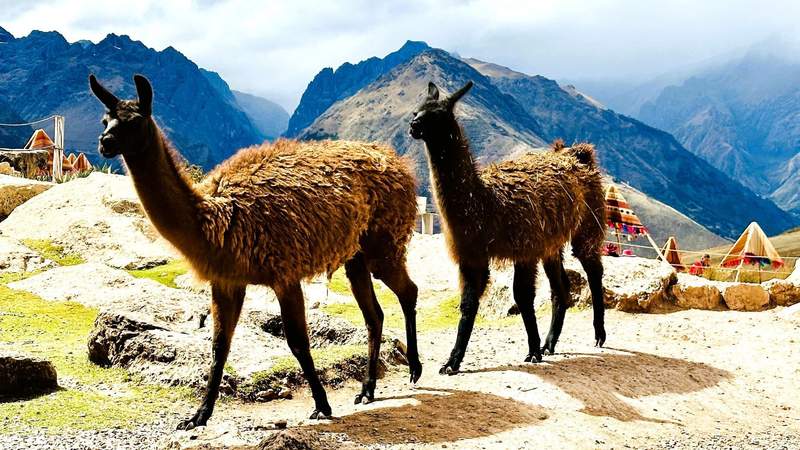
- Ancestral at Mountainview Experience: Outside Cusco, this mountain retreat offers a change of pace. We savored pumpkin soup, trout and potato dishes while admiring friendly resident llamas.
- Mauka: Located inside the Palacio Nazarenas Hotel in Cusco, this restaurant led by chef Pía León blends local produce, grains and seeds into inventive dishes. Our favorites: trout sudado with smoked cauliflower and noodles with braised duck.
SheBuysTravel Tip: Expect to see cuy, or guinea pig, on menus. It’s been part of Andean food traditions since pre-Inca times.
Where to Stay in Cusco
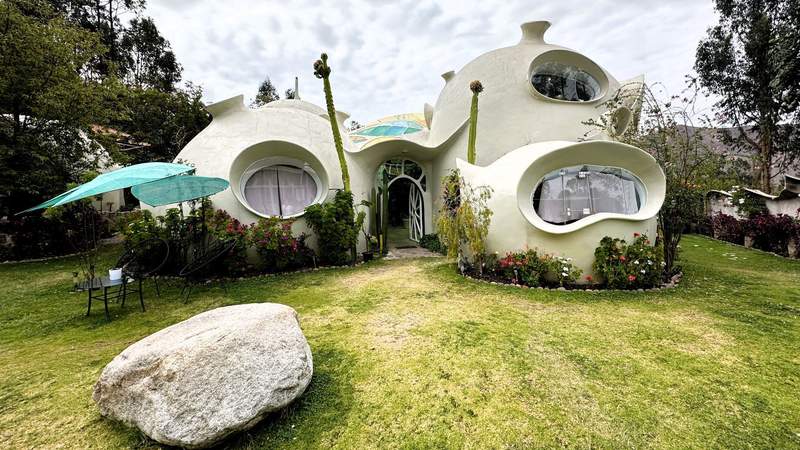
Staying in Cusco’s historic center puts everything within walking distance. For a broader experience and less driving, we also spent several nights in the Sacred Valley.
- Sonesta Hotel Cusco: Our group appreciated the generous breakfast buffet and convenient location near Cusco’s historic central plaza and artisan markets.
- Palacio Nazarenas: For a luxury option in Cusco, this restored former convent combines historic architecture with upscale rooms and a spa.
- MountainView Experience: This eco-lodge near the Maras salt ponds offers A-frame cabins, views of the Andes and the chance to pet llamas and alpacas.
- Wifala Harmony Hotel: Ginger and I shared a pod-shaped room at this futuristic boutique property in Urubamba. Its unusual architecture makes this a fun alternative to traditional hotels.
Why Cusco Works for a Girls’ Trip
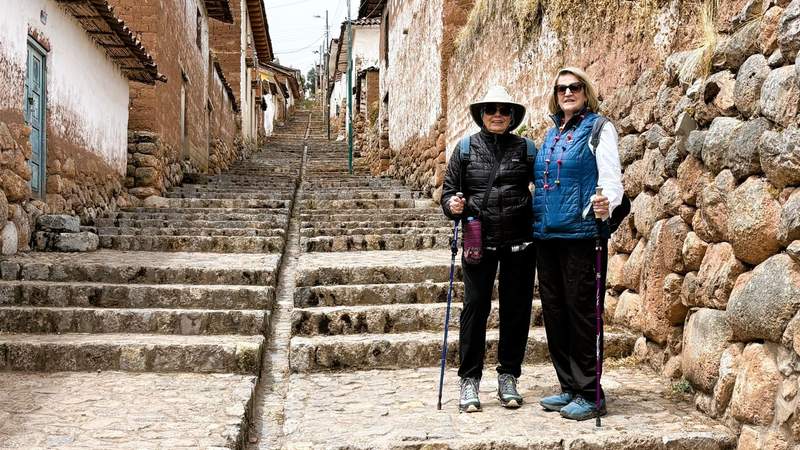
Cusco gave us the adventure we desired without making every moment a physical challenge. Between hikes, we wandered artisan shops, lingered over meals and paused as gauzy clouds drifted across the Andes.
We came home closer friends and with a richer appreciation for Andean culture.
Frequently Asked Questions
Consider traveling in May or September–October. This avoids the peak season (June–August) and the rainy season (November–April).
Cusco sits at about 11,000 feet above sea level. You should plan a relaxing first day to adjust to the elevation. Consult your doctor before your trip about preventive medication, if you are concerned about altitude sickness. While traditional coca tea is popular, it is not a proven treatment for altitude sickness.
Pack layers, rain gear, sturdy walking shoes or hiking boots, sunscreen and a hat. Bring hiking poles for mountain hikes, and carry tissues and hand sanitizer for public restrooms.
The Cusco Tourist Ticket is a single-fee pass included with many tours that provides entrance access to numerous attractions and archaeological sites in Cusco and the Sacred Valley.
Market vendors often prefer cash in local currency (Peruvian soles). When shopping for Andean handicrafts and textiles, compare quality and prices across vendors, bargain politely and check alpaca items for genuine fiber content.
Read More
- The Most Beautiful Places to Visit in Peru
- Activities on an Exoticca Tour to Ecuador and the Galapagos
- 14 Dazzling Things to do in Panama City, Panama
- Plan Your 2026 Adventure: How to Hike Chapada dos Veadeiros National Park in Brazil with Kids


Leave a Reply