
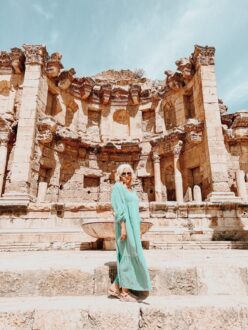
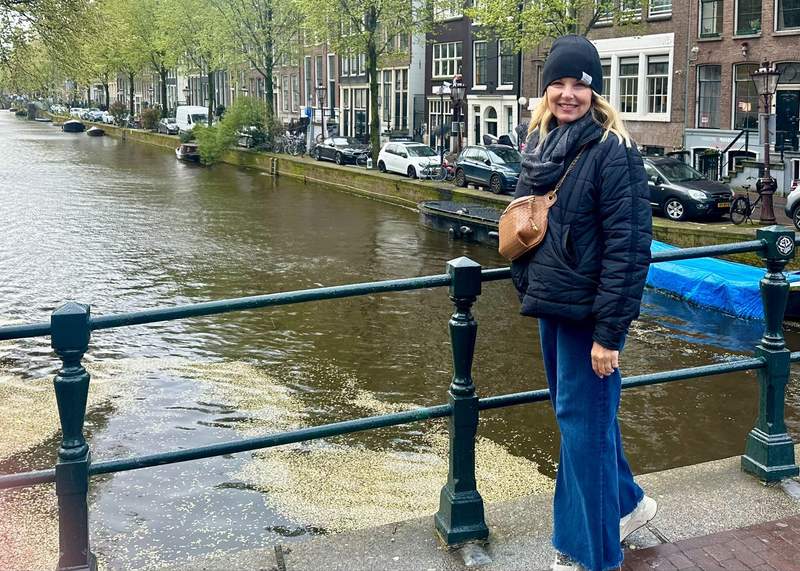
Two years ago, I sold my house, my cars and most of what I owned to travel full-time. I thought I was chasing freedom, but what I found was a slower, more intentional way of living. I’m not an environmental expert, but after months of long-term stays, I’ve realized that slowing down naturally reduces waste and changes how I travel.
At a Glance:
- How I reduced my travel footprint by flying less and staying longer
- The unexpected ways slow travel improved my health, safety and daily routine
- Why choosing local experiences helped me travel more sustainably and meaningfully
Let us inspire your travels! Sign up for our newsletter now.
What Is Slow Travel and Why Does It Matter?
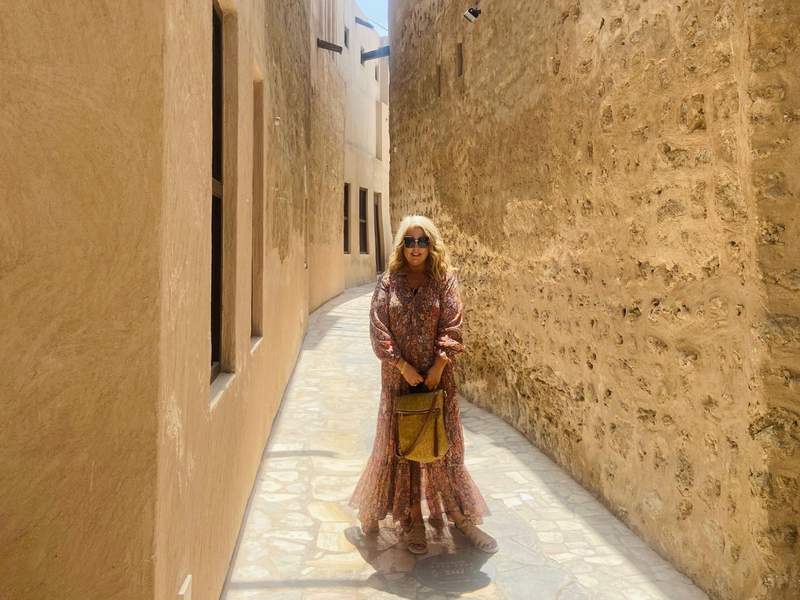
When I first heard “slow travel,” I imagined lazy afternoons and long lunches. That happens, but the real shift goes deeper. It’s about staying longer and living like you actually belong there. In Bali, a quick trip to a local market with our host turned into a lesson in choosing and preparing fresh food, something we would have missed on a shorter trip.
Here’s what slow travel looks like for me:
- Staying weeks or months instead of days
- Using trains, buses and walking instead of constant flights
- Shopping at local markets
- Eating at neighborhood restaurants
- Reducing the constant pack, unpack, repeat cycle
SheBuysTravel Tip: Start small. Double your stay in one destination instead of adding another stop.
How Flying Less Changed My Travel Footprint

I used to chase cheap flights like they were a game. Now I see the tradeoff clearly. Flying less has been the biggest shift in how I travel. A few years ago, I would have booked a quick flight just to save a few hours. Now I think about a train ride we took through Sri Lanka, watching small villages along the coast roll by while sharing snacks with a local family across from us. It took longer, but it felt like part of the experience instead of just a way to get somewhere.
Here’s what changed for me:
- I choose destinations closer together
- I rely on trains for regional travel
- I plan fewer, longer trips
- I stop trying to “see everything”
What surprised me most? I don’t feel limited. I feel more connected to each place.
SheBuysTravel Tip: In many parts of Europe and Asia, trains are faster door-to-door than flights once you factor in airport time.
Why Staying Longer Reduces Waste
Short trips create more waste than I ever noticed before. Slowing down made it obvious. In the past, I used to pack tiny shampoo bottles, grab takeout containers and live out of a suitcase for a few days at a time. Now, I find myself walking to a local grocery store with a reusable bag, cooking simple meals and doing laundry midweek. It doesn’t feel like travel, it just feels like living more simply and sustainably.
When I stay longer, I naturally:
- Cook meals instead of relying on takeout
- Skip single-use toiletries and travel minis
- Do laundry instead of overpacking
- Buy fewer disposable or “trip-only” items
Here’s what I learned: sustainability often comes down to daily habits, not big gestures.
SheBuysTravel Tip: Book a place with a kitchen and laundry. It completely changes how you travel.
Why I Choose Local Businesses Over Big Chains
I used to default to big-name hotels because they felt easy. Now I actively look for small, locally owned stays.
Here’s why I made the switch:
- My money stays in the local community
- The experience feels more personal
- Hosts share insider tips I would never find online
- Smaller properties often use fewer resources
In one recent stay in Sri Lanka, our host met us at the door and spent 30 minutes mapping out her favorite bakeries, markets, walking routes and even which beach to visit at sunset. None of it was on Google, and it ended up shaping our entire time there. If I could go back, I would have made this change sooner.
SheBuysTravel Tip: Message your host before booking. You’ll instantly get a sense of how personal your stay will feel.
How Slow Travel Feels Safer as a Woman
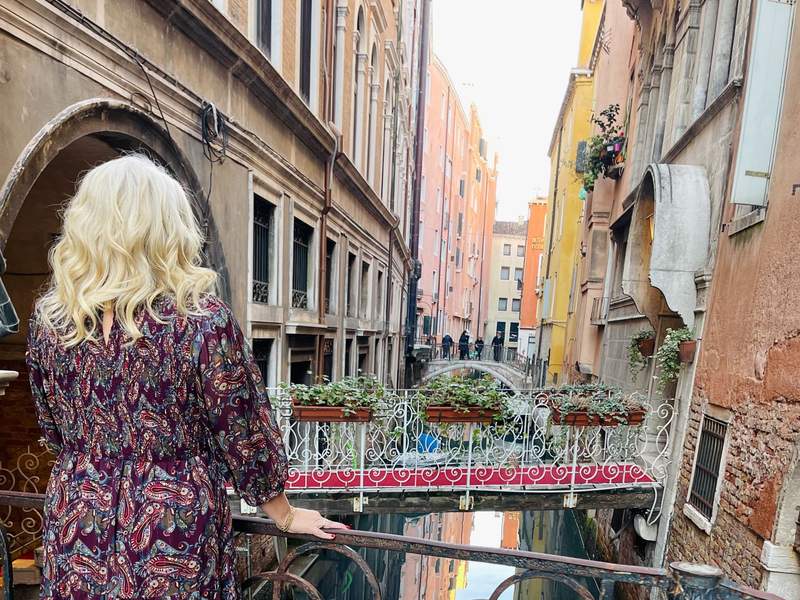
This was the biggest surprise for me. Slowing down actually made me feel safer. I noticed the shift one evening in Barcelona, walking home after dinner along a softly lit street, the sound of clinking glasses spilling out from tapas bars and the warm glow of streetlights reflecting off the pavement. I realized I knew exactly where I was going, which turns felt familiar, and which streets felt comfortable. That kind of confidence never came from short trips.
When I stay longer:
- I learn the rhythm of the neighborhood
- I recognize familiar faces
- I find safe routes and trusted places
- I stop looking like a rushed tourist
That familiarity builds confidence, especially when traveling solo.
SheBuysTravel Tip: Choose walkable neighborhoods so you can quickly build comfort and routine.
Cultural Awareness Comes Naturally When You Stay Longer
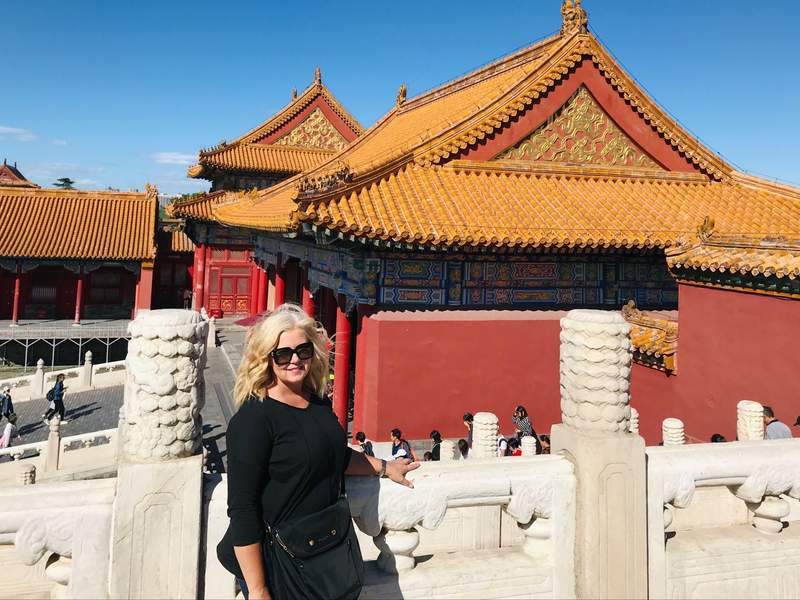
On short trips, I used to skim the surface of a culture. Now I feel like I’m participating in it.
Over time, I naturally:
- Learn basic language phrases
- Understand local customs
- Adjust how I dress and behave
- Notice what feels respectful versus intrusive
This kind of awareness doesn’t come from a checklist. It comes from time. I’ve found myself adjusting without even thinking about it, covering my shoulders in temples, lowering my voice in certain spaces or picking up small phrases just by hearing them every day. It happens slowly, but it changes how you move through a place.
SheBuysTravel Tip: Watch how local women dress and mirror that. It’s the easiest way to blend in respectfully.
How Slow Travel Supports Your Mental and Physical Health
I didn’t expect this, but slow travel changed how I feel physically and mentally. I used to come home from trips needing a vacation from my vacation. Early flights, packed itineraries, constantly moving. Somewhere along the way, that shifted. When I stopped rushing, my body and mind finally caught up.
Instead of coming home exhausted, I started feeling better while I was still traveling.
Here’s what improved for me:
- I walk more naturally throughout the day
- I sleep better without early flights and packed schedules
- I feel less anxious without constant time pressure
- I eat more balanced meals by shopping locally
- I build simple routines like morning walks or yoga
What surprised me most? Travel stopped feeling like something I needed to recover from.
SheBuysTravel Tip: Plan one “nothing” day each week. That’s where the real reset happens.
The Emotional Shift From Consuming Travel to Living It
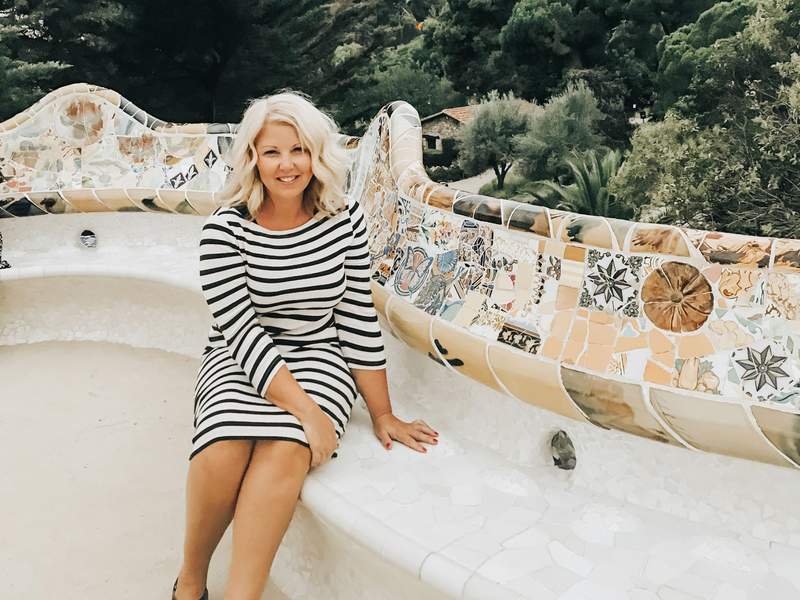
I used to measure trips by how much I saw. Now I measure them by how I feel.
Slow travel helped me:
- Value routine over constant activity
- Appreciate small, everyday moments
- Let go of the pressure to see everything
- Build a lifestyle that feels sustainable long-term
Here’s what I learned: sustainable travel isn’t just about the planet. It’s about creating a way of traveling you can actually maintain. One of my favorite days recently wasn’t anything you’d put on an itinerary. My husband and I woke up at sunrise, walked the same path we had taken all month, and sat by the water with nowhere else to be. Two years ago, I would have thought I was wasting time. Now, I realize that’s the whole point.
SheBuysTravel Tip: Create a simple daily routine when you arrive, even if it’s just coffee and a walk.
FAQ: Slow Travel and Sustainable Travel for Women
Slow travel is really just staying in one place long enough to settle in a bit. Instead of rushing around trying to see everything, you start living more like a local, using public transportation, building small routines, and feeling a real connection to where you are.
Yes, slow travel often reduces your environmental impact because you take fewer flights, create less waste from short stays, support local businesses directly and consume fewer disposable products.
In many cases, yes. Staying longer helps you learn the neighborhood, build familiarity and confidence, avoid looking like a tourist and identify safe routes and trusted places.
It can actually be more affordable over time. You save money by booking longer-term stays with discounts, cooking meals instead of eating out constantly, reducing transportation costs and avoiding frequent booking fees and last-minute prices.
You don’t need months to try it. Start by staying longer in one destination instead of adding stops, choosing walkable neighborhoods, planning fewer activities each day and building a simple routine.
Read More
- Babbel vs Duolingo
- Learn Scuba Diving in Tahiti
- Why Moroccan Riads Are Perfect for Women Travelers
- Best Walking Shoes for Travel
- Bucket List Hike: Conquer the Wave in Arizona with Confidence

Leave a Reply