

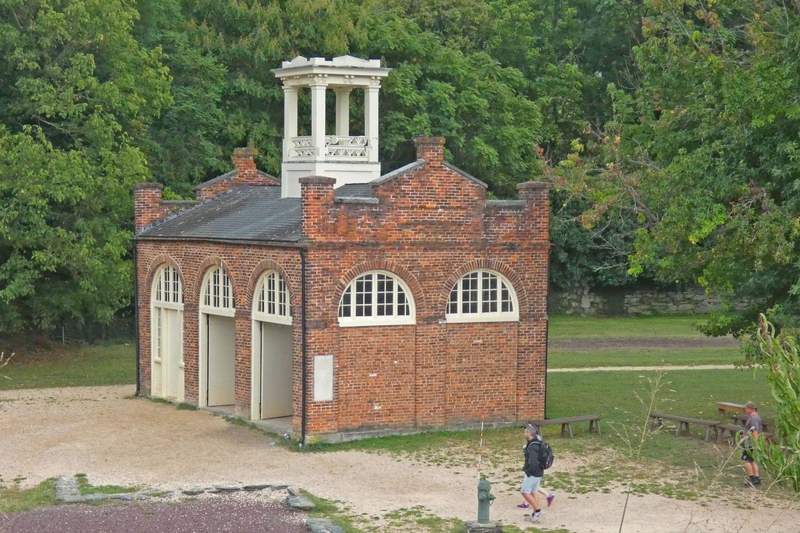
What happened at a small firehouse changed history. As a history lover, I wanted to visit Harpers Ferry, West Virginia for years. Here, I can almost relive the events that took place in October 1859 when John Brown attempted to start a slave rebellion and free the slaves. This was where the raid ended, but it was the trigger to the Civil War that almost destroyed the country.
The writer was hosted.
History of Harpers Ferry
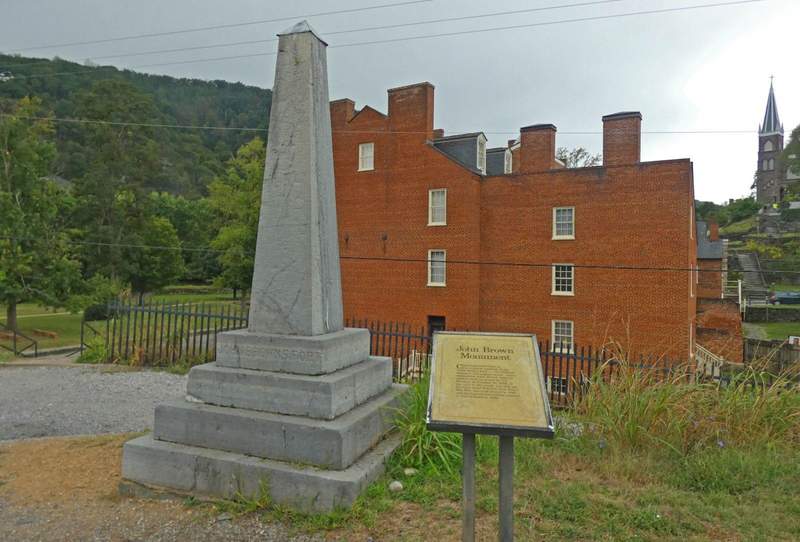
Why go: Peter Stephens settled here in 1733. The town took its name from Robert Harper, who built a ferry in 1751 across the Potomac River. George Washington, who grew up in nearby Fredericksburg, VA, proposed the site in 1794 for an armory. His brother, Charles, founded nearby Charles Town. His g-g-nephew, Lewis Washington, was one of John Brown’s hostages.
What not to miss: Be sure to see the former Armory Firehouse where John Brown and his followers were during the siege until 86 marines led by US Army Colonel Robert E. Lee and a young West Point lieutenant, JEB Stuart, breached the barricaded doors and captured Brown.
Want more history travel ideas? Get inspired with our newsletter!
Historic Sites at Harpers Ferry
Why go: I was fortunate to have Dennis Frye, former chief ranger and author of Confluences, as a guide at Harpers Ferry. He showed me the existing buildings and remnants of those that were destroyed during the Civil War and the flood of 1936. The historic section is called Lower Town.
What not to miss: There are many sites. Here are a few:
- The Amtrak station’s historic wood-frame depot built in 1894 for the Baltimore & Ohio Railroad sits on part of the old Armory foundations.
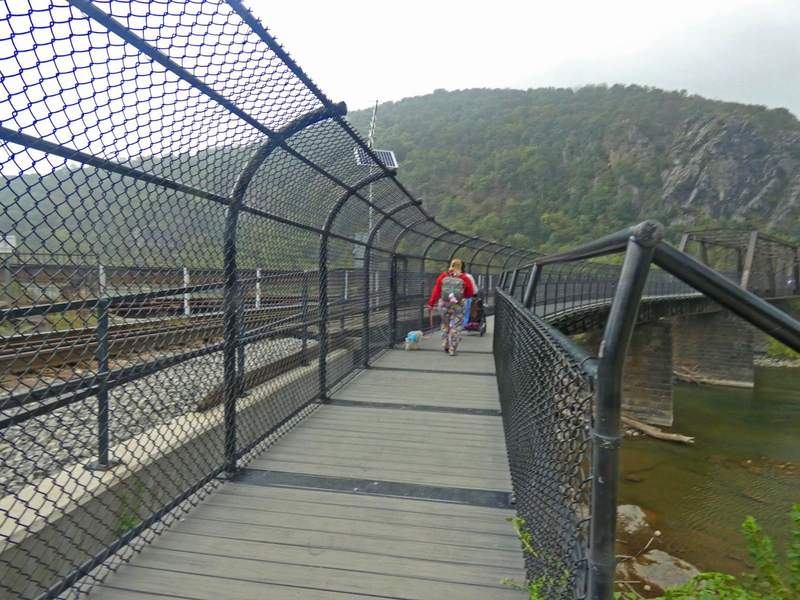
- The Point is where Potomac and Shenandoah rivers meet. Standing on the bridge, you see three states: Maryland, Virginia, and West Virginia. If you walk across the bridge, you’re in Maryland.
- Storer College was founded as an equal opportunity higher education opportunity for all races and genders In 1867. In 1906, Civil Rights leaders met there for The Niagara Movement.
- Follow the hiking trail along the Shenandoah River to the ruins of old cotton mills that later became flour mills. You’ll see several tunnels and wind turbines where water power drove the mills. Along the way, there are several outlines where buildings once stood.
- Pulp Mill Ruins of a late 1800s water-powered pulp factory are near the Visitors Center.
She Buys Travel Tip: The Amtrak station is a working station and has a parking area visitors can use, but it is usually full except during winter months. Best parking is at the main Visitors Center lot at 171 Shoreline Drive where you can ride a shuttle to the historic sites. It’s included in your entrance fee.
St. Peter’s Church
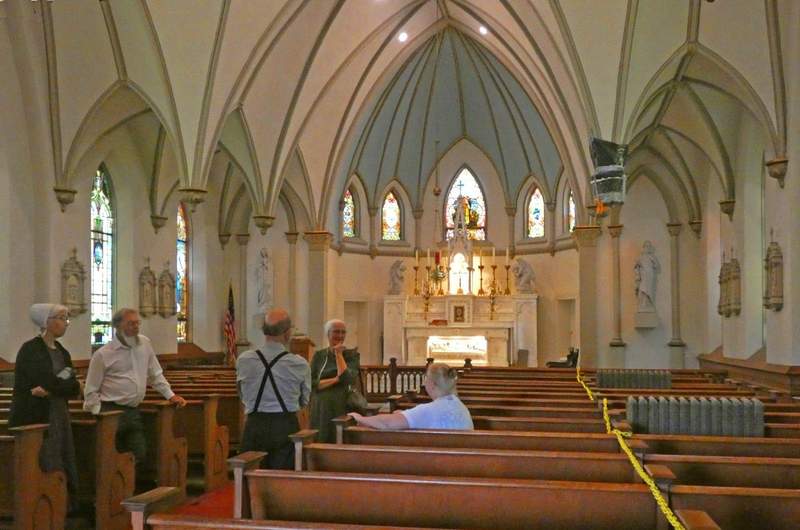
Why go: St Peter’s Church is the only church in Harpers Ferry to escape destruction during the war. It is set high on a hill above Lower Town and is still an active church.
What not to miss: Step inside and see the stained glass windows and domed ceiling. It is believed to be haunted and is part of the Ghost Tours.
Lower Town
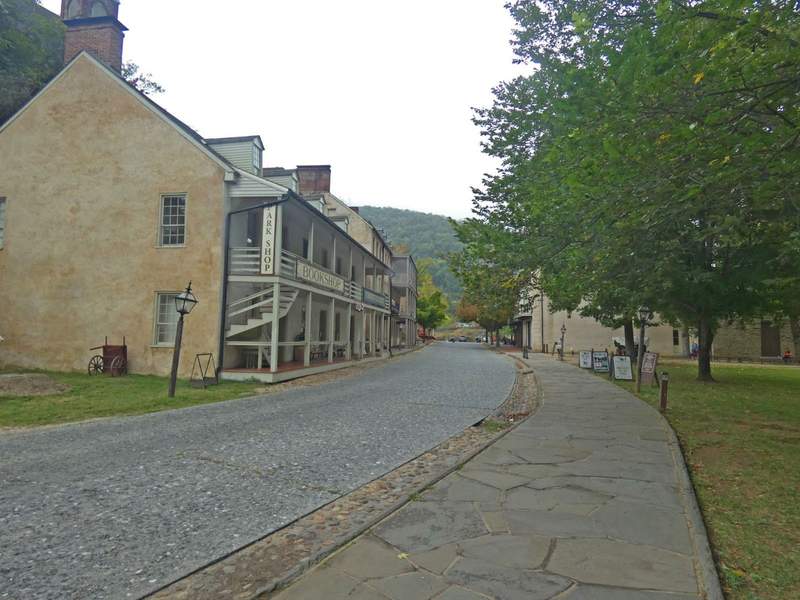
Why go: Lower Town is the heart of Harpers Ferry. It looks like a pre-Civil War small town and is filled with shops, restaurants and historic buildings open to view what life was like in the 1800s. There are placards telling about the history and floods in Harpers Ferry.
What not to miss: Harper House is the oldest surviving building in Harpers Ferry. The lower level is arranged as an armory worker’s apartment. The Provost Marshal’s Office shows what life was like under martial law. White Hall Tavern shows that a tavern of the day was used as a meeting place as well as a place to drink. Be sure to see the Lewis and Clark exhibit.
John Brown Museum
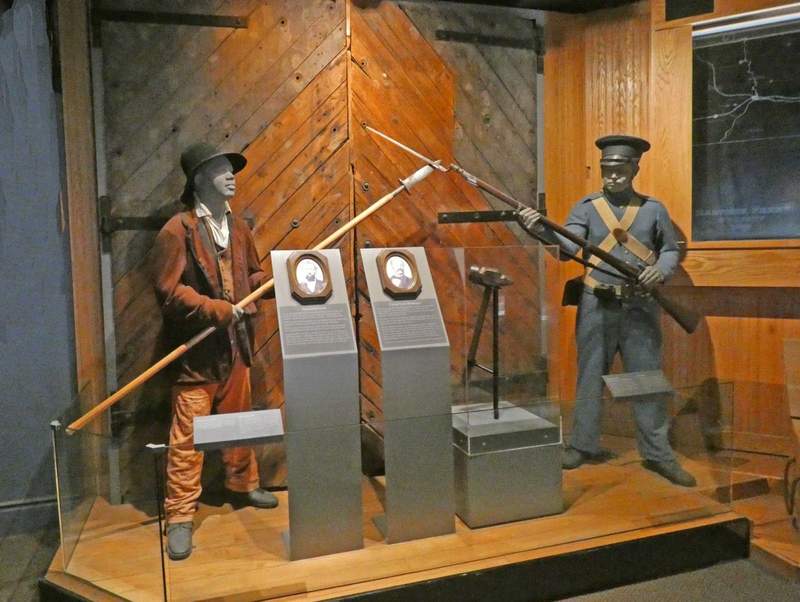
Why go: John Brown’s Museum explains the story of John Brown’s raid with three videos and artifacts.
What not to miss: Upstairs there are exhibits of the five African-Americans who joined John Brown.
Civil War Battlefields at Harpers Ferry
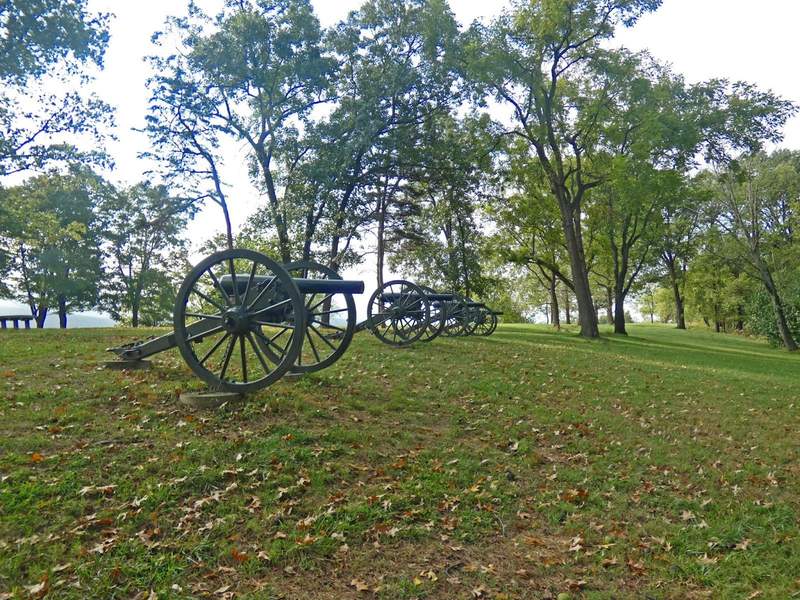
Why go: There are four major battlefield sites with hiking trails: Bolivar Heights, Murphy-Chambers Farm, School House Ridge North and Schoolhouse Ridge South.
The sites have trails and interpretive signs. All sites have parking areas at the start of the trail.
What not to miss: My favorite is Bolivar Heights. Besides being the shortest hike (less than a mile)it is the site of one of the most important battles in the area. There are Civil War cannons and interpretive signs.
Other things to do at Harpers Ferry

Why go: Although history is the main draw at Harpers Ferry, there are lots of outdoor activities, including hiking and kayaking the rivers.
What not to miss: The Great Allegheny Passage Trail, Appalachian National Scenic Trail and C&O Canal towpath, which serves as the Potomac Heritage Trail, all pass through Harpers Ferry, the only place in the country where this happens.
Dining at Harpers Ferry
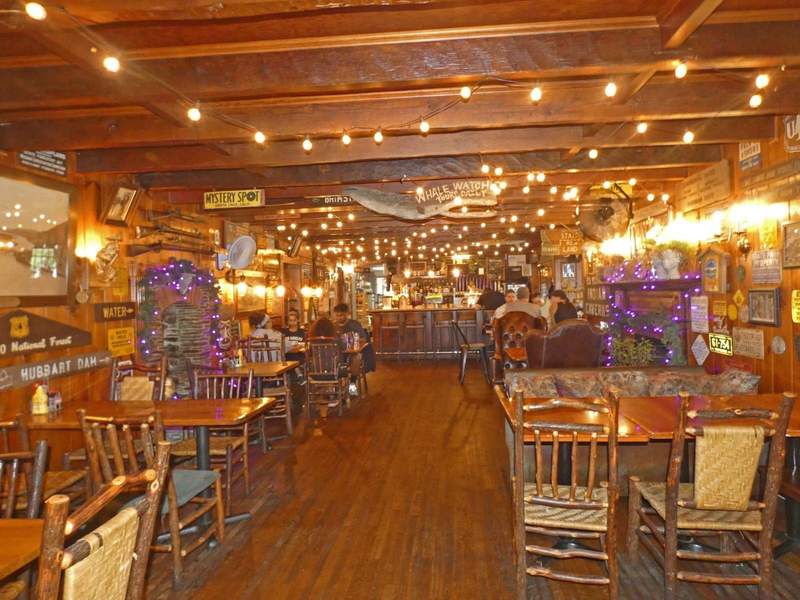
Why go: There are many dining spots in Lower Town. All have an 1800s feel
What not to miss: We dined at the Rabbit Hole Gastropub. In Lower Town and offers indoor or patio dining. The atmosphere is 19th century, and the food is delicious. I suggest the Old Bay Brined Shrimp if you want something light. It’s a half-pound of shrimp boiled in Almost Heaven Amber Ale. Want something more substantial? Try their Blue Ridge Burger.
Lodging at Harpers Ferry

Why go: T here are multiple choices including chain hotels but I wanted a more historic feel.
What not to miss: To experience the historic feel stay at one of Harper Ferry Getaways units. I enjoyed my time at Armory Quarters A, a two-story duplex built in 1829 to house workers from the armory. It has a fully equipped kitchen, queen-size bed, and a comfortable living room. Best of all, it has a washer and dryer, a real treat when on the road for multiple days.
Read More
- Richmond tells History: From Revolution to Civil Rights
- History, Hot Springs and More: The Best Places to Visit in Arkansas
- Washington County Tennessee for History Lovers
- Horses, Bourbon and History in Shelby County, Kentucky


Leave a Reply