

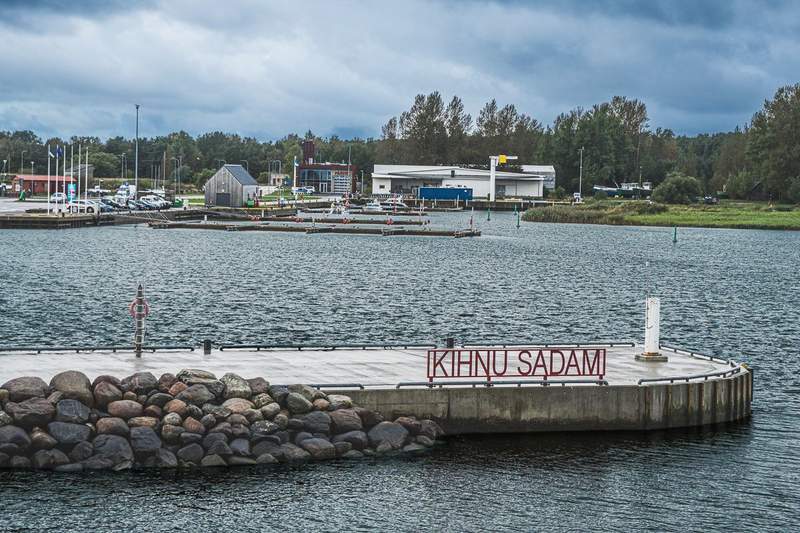
The small island of Kihnu lies off Estonia’s southwestern coast. UNESCO honors this tiny jewel, with a population of approximately 300 when the tourists are gone, for its Intangible Cultural Heritage of Humanity.
Highlights
- Authentic Local Access: Gain unique insights into Europe’s last matriarchy through my personal experience touring the island’s hidden corners with a local community leader.
- Living Traditions: Discover how the UNESCO-protected Kihnu culture thrives today, from exploring the curated exhibits at the Kihnu Museum to seeing traditional weaving in action.
- Coastal Gastronomy: Learn what to expect from Kihnu’s seasonal food scene, featuring fresh fish and traditional breads.
Editor’s note: The writer was hosted.
Are you ready to explore more destinations? Get inspired with our newsletter!
Kihnu draws Estonian and foreign visitors throughout its short summer season. A visit to this small island offers the best of two worlds. You can enjoy the island’s rocky beaches while immersing yourself in its fascinating culture and traditions.
For my husband and me, setting foot on Kihnu was like stepping into another world. It felt as if nature and the people who call Kihnu home existed in perfect harmony, weaving traditional customs, clothing, music and love for the land into the tapestry of life on the island. We spent 24 hours on Kihnu and came away with a deep affection and respect for the island and its inhabitants.
Planning Your Journey to the Heart of Europe’s Last Matriarchy
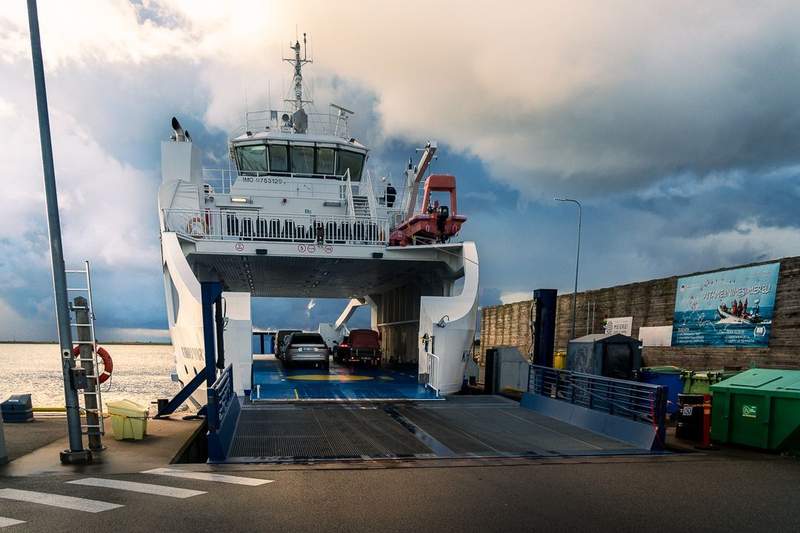
You can only reach Kihnu by ferry from the port of Munalaiu. Visitors flock to Kihnu during June, July, and August, but tourism comes to an abrupt halt on September 1. That’s when the bed and breakfast guest houses – there are no hotels – and restaurants close, and Kihnu settles into its off-season rhythm.
SheBuysTravel Tip: If you want to visit the island between summer seasons, you will need to make special arrangements with willing individuals for accommodations and meals, because you won’t find an open restaurant, and the pace of life slows considerably. Unless you are looking for complete peace and relaxation, I recommend beginning your visit in May, when things begin to open up, but the busy summer season is still a month away.
The Best Way to Experience Kihnu’s Unique Way of Life
We arrived on Kihnu on a rainy day in mid-September, and Visit Estonia, who hosted us for our visit, made arrangements for us to meet up with Mare Mätas, a local guide, teacher and community dynamo. We joined her small group tour, were the only guests at her bed and breakfast, and partook of her excellent culinary skills for dinner and breakfast the next morning.
Mare was a superb guide, driving us in her pickup truck to small villages, the lighthouse, the Kihnu Museum, and other points of interest. All the while, she spoke in vivid detail of Kihnu’s history, traditions and daily life on the island.
Mare answered all our questions, of which there were many. And as the hours slipped by, I felt as if the world beyond the waters surrounding Kihnu hardly existed.
SheBuysTravel Tip: Be sure to bring a waterproof jacket and/or an umbrella if the forecast calls for rain. The unfortunate members of our group who rode in the bed of the truck weren’t prepared for the intermittent showers.
If you are interested in Kihnu’s history and a deep dive into its culture, I highly recommend a tour with Mare. You can also explore the island on your own and still come away having had a worthwhile experience.
Discover the Best Places to Learn Kihnu’s Story
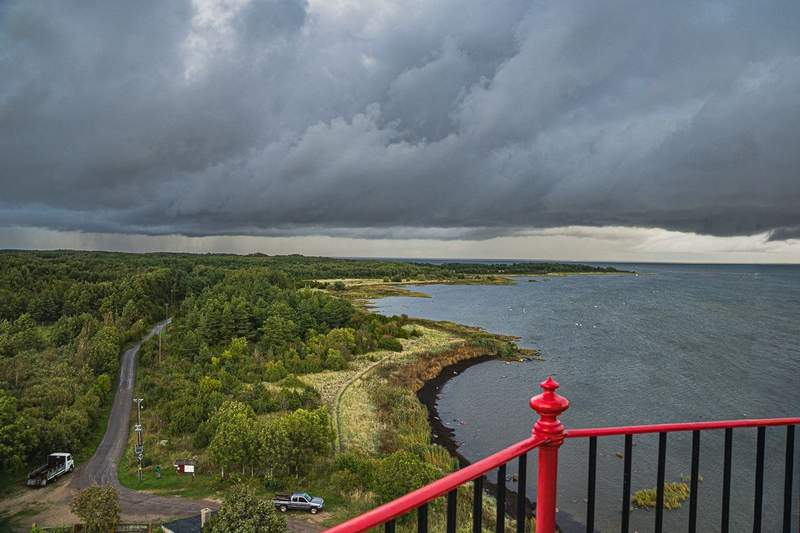
- Kihnu Lighthouse: In 1864, the white conical lighthouse that now stands on the southernmost point of Kihnu arrived from England in pieces. Once workers had assembled all the parts, the structure stood 101 feet above sea level. Some of us chose to pass on the option of climbing the narrow staircase to the viewing platform. The ones who braved the stairs found the panoramic view worth the effort despite the dark clouds.
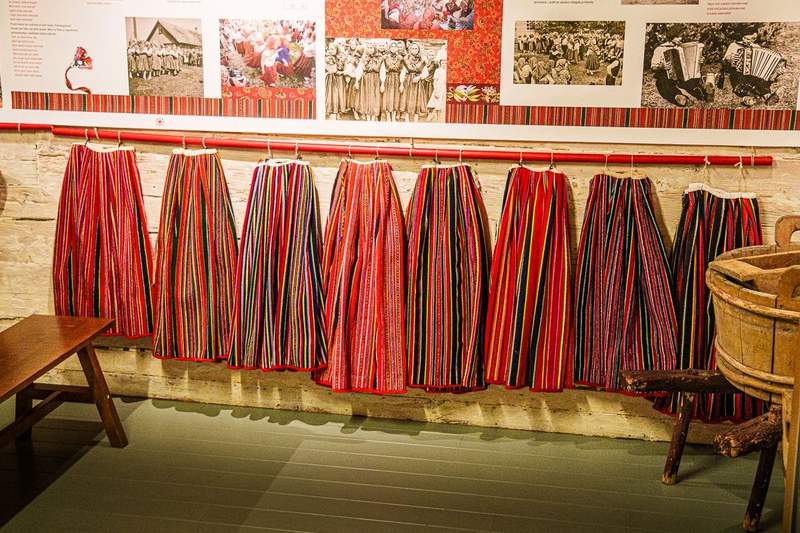
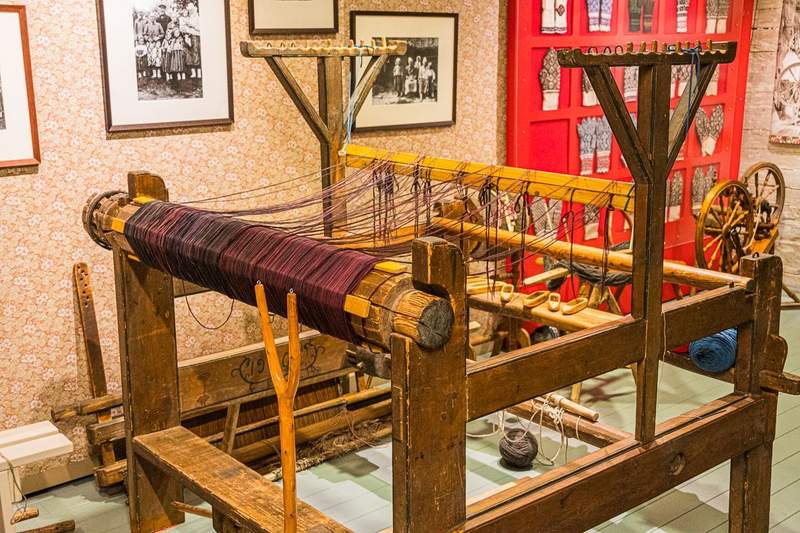
- Kihnu Museum: Located in a former schoolhouse, this museum introduced our group to Kihnu culture and how it is an integral part of everyday life. As we walked through the exhibits, Mare described tools, traditional clothing, crafts, furniture and famous Kihnu residents. In each room, she shared stories of how the items related to life on the island, past and present.
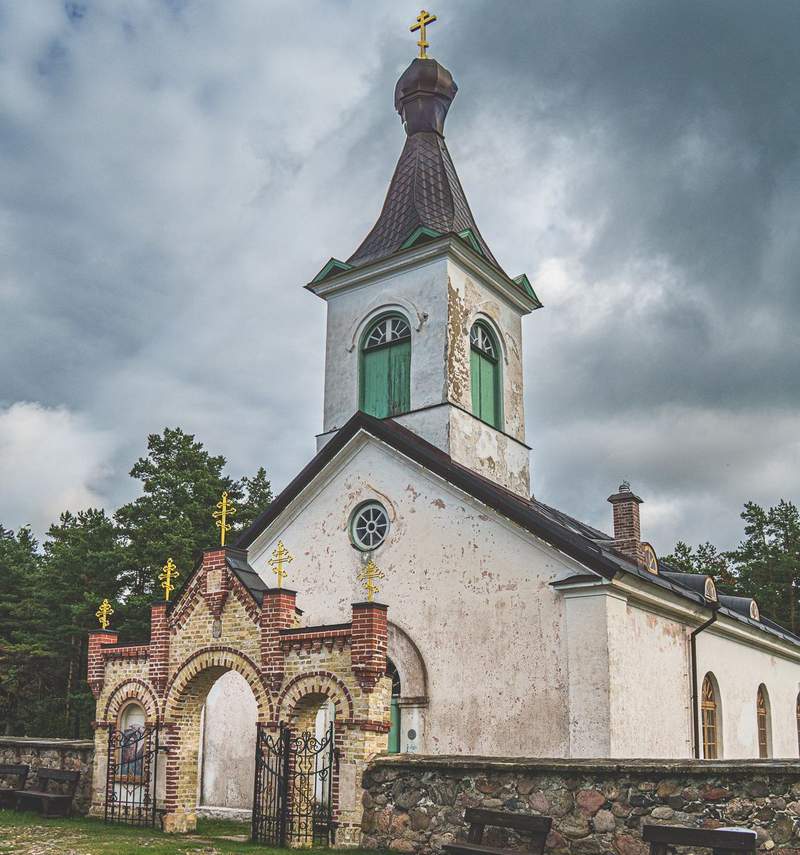
- St Nicholas Church: This historic church has stood on Kihnu since 1784, and is one of a few Estonian Orthodox churches converted from a Lutheran sacral building. It now sports an onion dome atop the bell tower. Mare brought us inside so we could marvel at the stunning iconostasis which graced almost the entire width of the room. She explained that most Kihnu residents, especially the young, aren’t religious, but that it is part of the island’s tradition. A priest comes once a month to perform baptisms, weddings, and other church business.
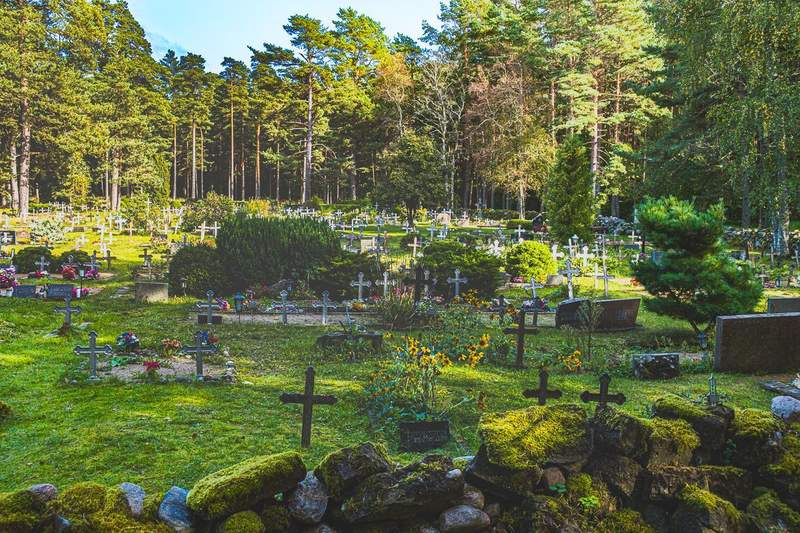
- Kihnu Cemetery: As in many cultures, this tree-rich cemetery is a sacred place. The sense of peace that came over me gave me the feeling that this would be an ideal spot for quiet reflection. But according to local custom, letting the sun go down on your musings is taboo, lest you disturb the dead.
Treat Your Taste Buds to Kihnu’s Local Delicacies
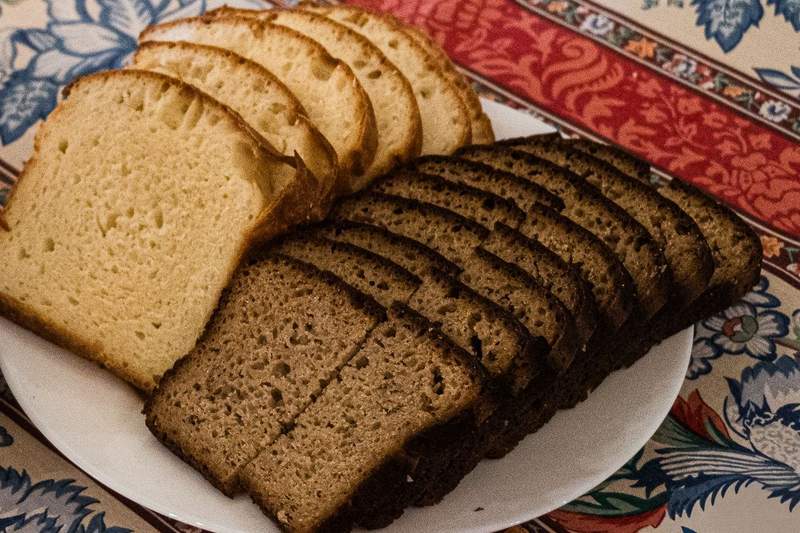
Since all the restaurants on the island were closed, Mare made special arrangements with one of Kihnu’s eateries to prepare lunch for our group. We were hungry from our morning explorations, so the meal the restaurant owner laid out for us was a welcome sight. But the best was yet to come when we sat down and dug in.
The spread included potatoes in a clear broth, freshly baked rye and white bread, pickled herring with onions, smoked perch and fruit-studded bread for dessert. Everything was excellent.
Unlike the creamy, cheesy potato soups to which we are accustomed, this one was lighter, but still filling. The mackerel came complete with skin and bones, and although I prefer not to work for my food, the smoky flavor and flaky texture made the somewhat messy process worthwhile.
Mare’s bed-and-breakfast is located on her property. The rooms were upstairs, and we were the only guests. She prepared a simple but tasty fish and potato stew for dinner and a vegetable omelet for breakfast the next morning. There’s nothing like fresh free-range eggs when it comes to flavor, and we were grateful for Mare and her chickens.
Why Kihnu is Defined by its Women
Kihnu is primarily a matriarchal society. While many men, including Mare’s husband, spend long periods at sea, women work at their crafts, and manage the farms, homes, businesses and community affairs.
They may be tech-savvy and have excellent access to wifi, but many women still wear traditional handmade striped woolen skirts. Islanders speak their own dialect, as well as Estonian. They sing traditional songs, perform traditional dances and practice traditional wedding rituals. Kihnu is all about preserving culture while embracing the present, and my husband and I felt privileged to have been able to experience Kihmu’s soul, if only for a day.
FAQs: Kihnu Travel Guide
Kihnu is often called Europe’s last matriarchy because for generations, the island’s men have spent months at sea fishing or working aboard ships, leaving the women to manage everything from farming and animal husbandry to governance and church rituals. The women remain the primary guardians of the island’s UNESCO-recognized cultural heritage, including its unique dialect, songs and crafts.
The island is accessible via a ferry from port of Munalaiu on the mainland (about a 40-minute drive from Pärnu). Our trip was smooth in both directions, but if you’re prone to motion sickness, you might want to check the wind forecast and take appropriate measures. The ferry ride takes approximately one hour. While you can bring a car, the island is small and best explored by bicycle or on foot to truly soak in the atmosphere.
The peak tourist season is June through August. During these months, museums, restaurants, and guest houses are fully operational. If you prefer a quieter experience, May and September are enchanting, but keep in mind that many businesses close on September 1st, requiring visitors to make private arrangements for food and lodging.
Kihnu Museum: The cultural heart of the island, showcasing traditional costumes and history.
Kihnu Lighthouse: Located at the southern tip, offering panoramic views of the Gulf of Riga.
St. Nicholas Church: A unique Orthodox church with a rich history and beautiful iconostasis.
The Rural Landscape: Best experienced by wandering through the four main villages (Lemsi, Linaküla, Rootsiküla and Sääre). Each has its own unique charm, so choosing a favorite is impossible.
Kihnu cuisine is centered on local sourcing. Don’t miss the Kihnu rye bread (leib), fresh smoked fish (especially perch and herring) and traditional potato-based stews. Because it is a small community, many meals are served “home-style” in guest houses rather than formal restaurants.
Read More
- Why You Should Travel to Tartu Estonia
- The Soul of Estonia Lives in Tallinn’s Streets and Stories
- Why Estonia Belongs at the Top of Your Travel List Right Now
- European Christmas Markets Deliver Old World Holiday Magic

Leave a Reply