

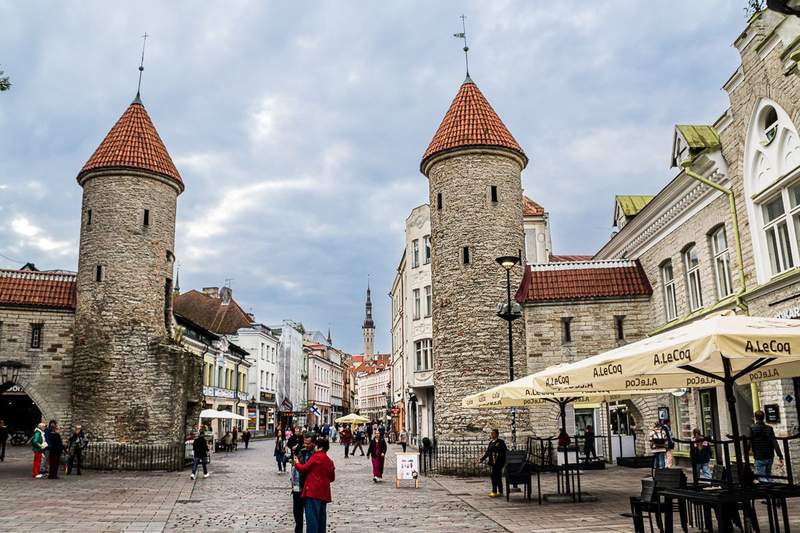
Estonia is rapidly growing in popularity among travelers seeking unique experiences and smaller crowds. This tiny Baltic nation of approximately 1.3 million offers a charming combination of rich traditions and culture, high-tech modernity, fascinating history, surprise-filled cities and towns, breathtaking natural beauty, and outdoor adventure.
My husband and I visited Estonia for a fall vacation and fell in love with the country. From knowledgeable tour guides to people who struck up conversations in cafes and on street corners, we found Estonians to be warm, friendly and eager to help us make the best of our time in their country.
This Estonia travel guide will introduce you to:
- Curated city guides: My personal recommendations for navigating the medieval magic of Tallinn and the intellectual charm of Tartu.
- Off-the-beaten-path Islands: Insights into the matriarchal culture of Kihnu.
- Authentic culinary and nature experiences: Expert advice on the best national parks to hike and the traditional dishes (like black bread and sour cabbage soup).
Editor’s note: The writer was hosted.
Are you ready to explore more destinations? Get inspired with our newsletter!
Explore Europe’s Best Preserved Medieval Towns in Estonia
Tallinn: Start in the Gateway City for Estonia
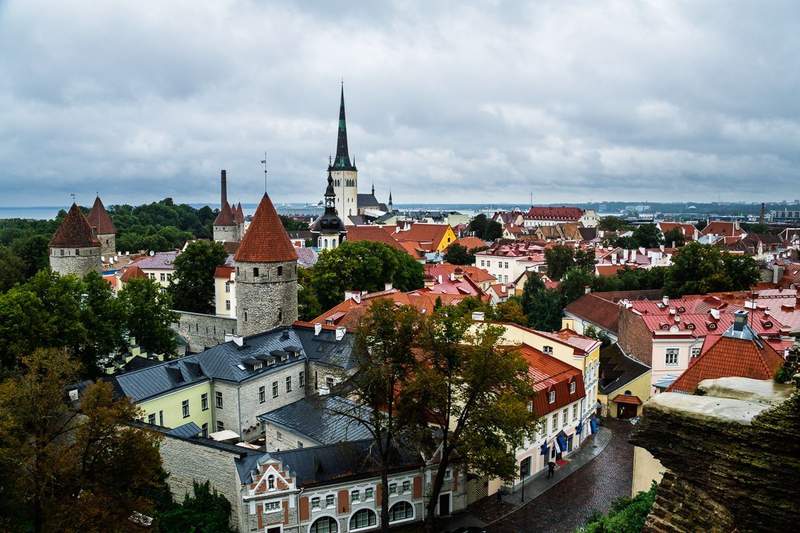
Estonia’s capital, Tallinn, is the most popular destination in the country, and for good reason. Most visitors arrive in Estonia via Lennart Meri International or Tallinn’s bustling cruise port. But no matter how you make your entrance, the true magic begins the moment you step onto the cobblestones of Tallinn’s Old Town.
Whether you are in Tallinn for a day or a week, the following suggestions will give you a well-rounded feel for this magnificent city:
- Explore Tallinn’s medieval Old Town, a UNESCO World Heritage site. Walk the cobblestone streets, taking in the colorful buildings and impressive architecture that tell the city’s story of days gone by.
- Visit the grand Alexander Nevsky Cathedral and the historic Tallinn Town Hall
- Partake in Tallinn’s delightful offerings to be found in its many trendy cafes, bars and shops.
- Ascend Toompea Hill for a spectacular panoramic view of Old Town.
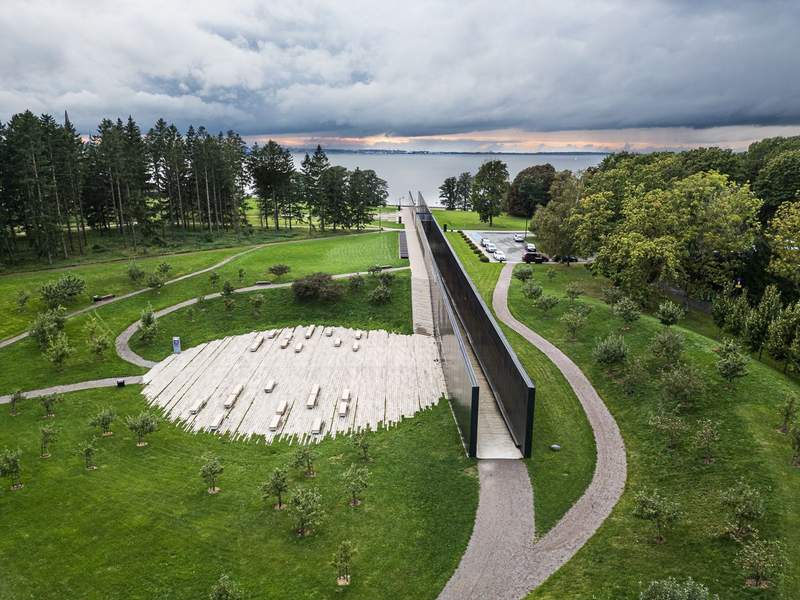
SheBuysTravel Tip: Learn about Estonia’s long and tragic history of occupation at Vabamu Museum of Occupations and Freedom through first-person accounts from survivors of Nazi and Soviet subjugation.
Tartu
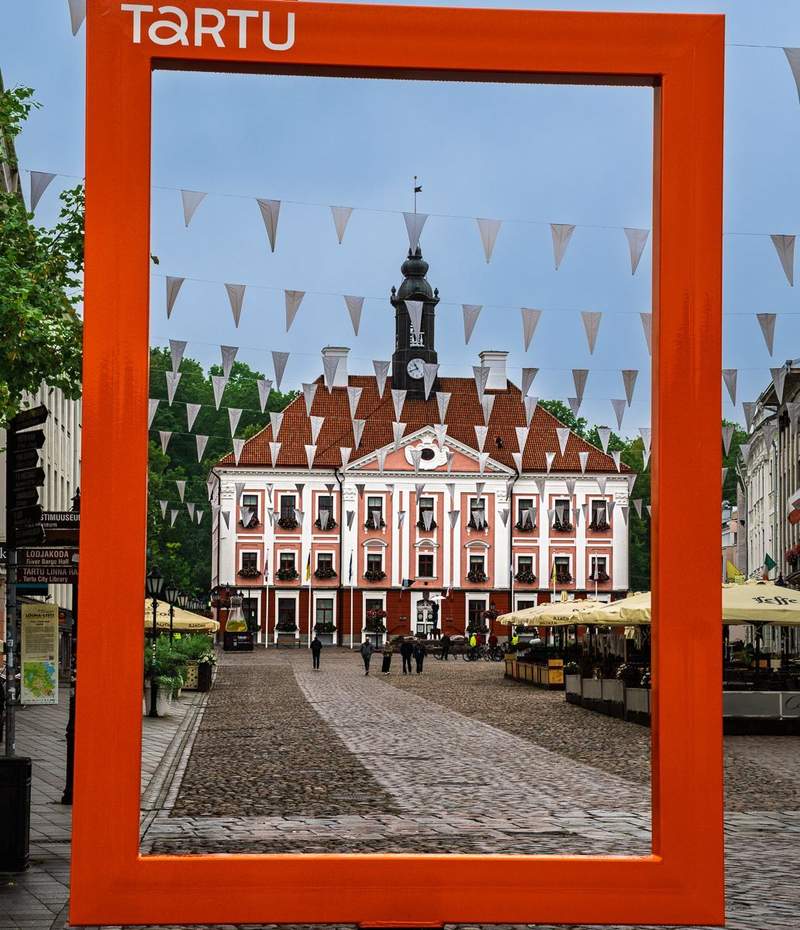
Tartu is Estonia’s second-largest city, and well worth the under three-hour drive or bus ride from Tallinn. Definitely soak up the academic vibes at Tartu’s historic university. And here are three more iconic spots you’ll love exploring:
- Wander the campus of the University of Tartu, Estonia’s largest institute of learning, and one of the oldest universities in Europe.
- Take a tour of Tartu Observatory’s Stellarium, the largest astronomical observatory in Estonia.
- Take a deep dive into Estonia’s history through fascinating exhibits at the Estonian National Museum.
Kinhu
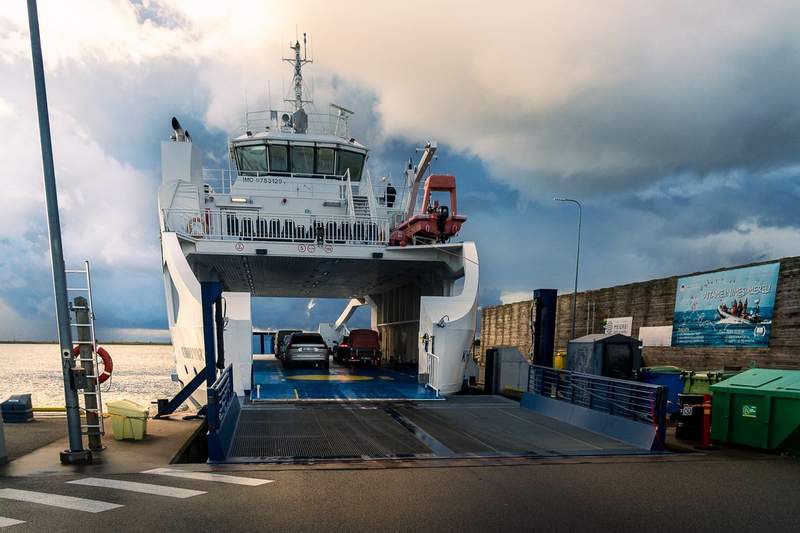
Estonia boasts more than 2,000 islands. Some of the most popular include Saaremaa, Muhu and Hiiumaa. Each has its own story and vibe. But if you’re looking for a truly unique experience, spend a night in Parnu, take a bus to Munalaiu and hop on the morning ferry to Kihnu.
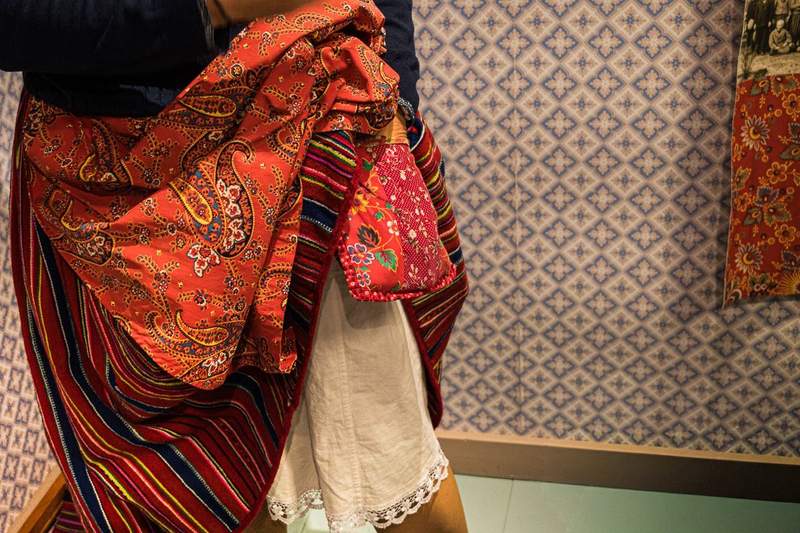
Kihnu is an island steeped in tradition. The culture is matriarchal because most men are away at sea for months at a time. You’ll find exquisite crafts, simple food fresh from the land and the sea, sunny beaches and a culture that values self-sufficiency and nature.
SheBuysTravel Tip: Don’t forget to explore some smaller villages and towns. Estonia is home to some of Europe’s best-preserved medieval towns, and Viljandi and Rakvere offer charming medieval architecture and historical sites. And if you’re a beach lover, spend some time relaxing in the resort town of Parnu.
Get Close to Nature in Estonia’s National Parks and Nature Reserves
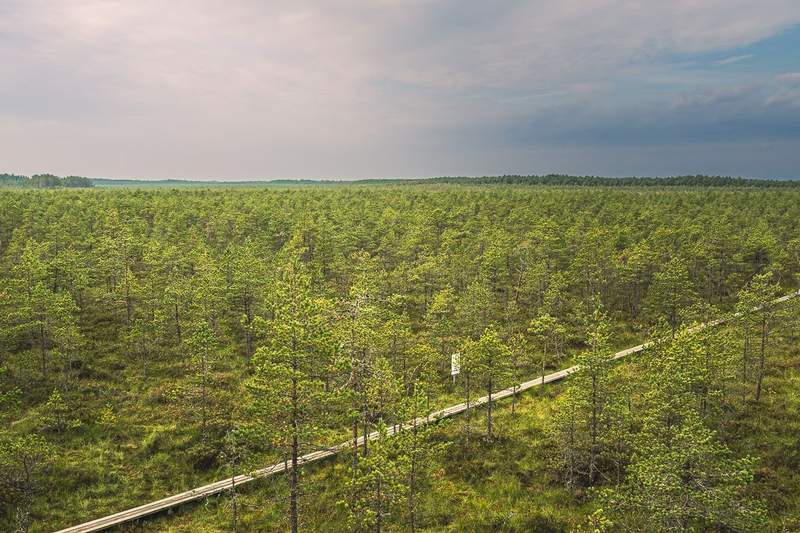
Estonia’s natural beauty draws outdoor enthusiasts from around the world. The country is home to a number of national parks and nature reserves. Here are two to explore:
Lahemaa National Park: This nature-lover’s playground is located a short distance from Tallinn, and is ideal for a day trip. There you can follow hiking trails through lush forests, along the rugged coastline and past traditional Estonian manors.
Alam-Pedja Nature Reserve: The vast wilderness area of Estonia’s largest nature reserve spreads over 340 square miles near Tartu and Lake Võrtsjärv. With extensive forested areas and 5 large bogs separated by rivers and their floodplains, which serve to protect rare species.
Discover Traditional Delicious Estonian Cuisine
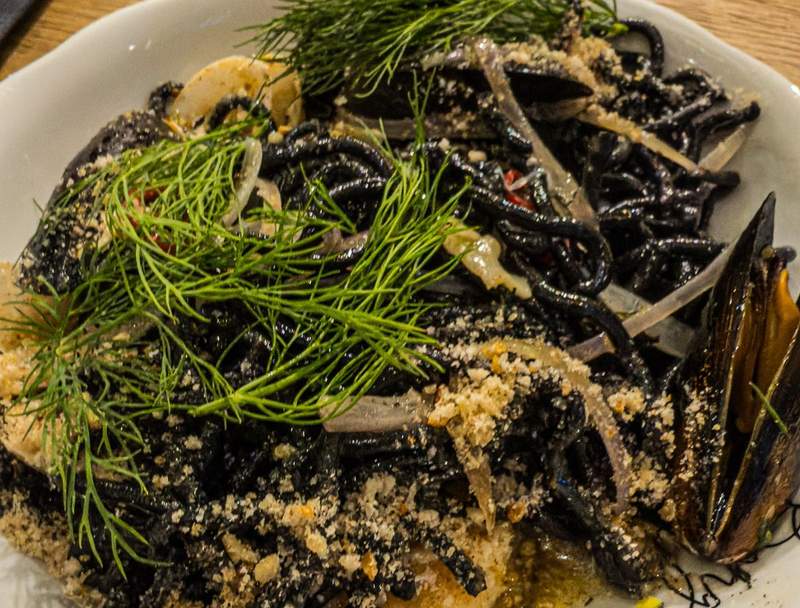
When it comes to dining, you can find all your familiar favorites, from burgers to Bolognese sauce. But to truly immerse yourself in Estonian culture, you definitely should give some of the country’s traditional dishes a try.
The food is uncomplicated, nourishing and full of flavor. Scandinavian, Russian and German influences are present in Estonian cuisine, but the consistent element is freshness. A dish of boiled cod and potatoes may sound boring, but the flavors and textures will make your taste buds do a happy dance.
- We fell in love with the dense, slightly sweet black bread, found everywhere in Estonia. It was the perfect accompaniment to a plate of smoked fish or herring.
- Unlike my husband, I’m not particularly fond of cooked cabbage, but the sour cabbage soup won me over.
- Try some Verivorst, blood sausage traditionally enjoyed during Christmas, and you’ll be eating like an Estonian.
Celebrate Estonian Music and Food Festivals
Celebrating with Estonians is joyous. You might even decide to plan your trip to coincide with a festival or holiday that catches your fancy.
- Tallinn Music Week is held every April, bringing together multi-genre international artists to perform throughout the city. A Festival Pass costs $110.40 and covers all the music venues. A Pro Pass will set you back $290.53 and entitles you to priority access to the venues, plus other perks. Be sure to check the website for dates and updated pricing.
- The Estonian Song and Dance Festival is listed on the UNESCO Representative List of the Intangible Cultural Heritage of Humanity. The event takes place every five years and celebrates traditional Estonian music and dance. The next festival will take place in 2030.
- Estonia’s Christmas markets, the largest of which takes place in Tallinn, are magical, with festive decorations, handcrafted ornaments and gifts and taste-tempting local food and drink.
- Independence Day, held on February 24, celebrates the country’s independence in 1918. Parades and ceremonies mark the event.
- Independence Restoration Day is held on August 20, and commemorates Estonia’s freedom following 50-years of occupation by the former Soviet Union. Wreath-laying and other solemn ceremonies mark the day, followed by outdoor concerts, parades, family gatherings and other events celebrating the joy of freedom.
FAQ for Adults Traveling to Estonia
Citizens of many countries (including the U.S., U.K., Canada, and Australia) can enter Estonia visa-free for up to 90 days for tourism. Always check your specific country’s entry requirements before booking.
Yes, Estonia is one of the safest countries in Europe for all visitors, including solo travelers. We felt comfortable at all times, even after dark, though we took standard travel precautions, such as staying aware of our surroundings and carrying cash and credit cards in inside pockets.
Estonia uses the Euro (€). While cash is useful for small markets, the country is highly digital; credit and debit cards are widely accepted everywhere, and contactless payment is standard.
Summer (June–August) is ideal for warm weather, long days, and festivals. Spring and autumn are beautiful but cooler and potentially rainy. Winter is perfect for travelers who enjoy snow, skiing, and magical Christmas markets.
Estonia is compact and has an efficient, affordable public transportation system. Buses and trains connect major cities easily, and Tallinn has a comprehensive network of trams and buses, which we used throughout our visit.
Yes, so don’t stress. We found that most people spoke some English, especially those among the younger crowd in Tallinn and Tartu. But Google Translate or another translation app is always a handy helper wherever you travel.
While Estonians don’t expect a tip, we chose to round up or leave 10% for good service in cafes and restaurants, which always produced a genuine smile.
Estonians value punctuality, personal space, and quiet in public. A friendly handshake and direct eye contact are standard greetings.
Yes, tap water in Estonia is high quality and completely safe to drink. Travelers are encouraged to bring a reusable water bottle.
Pack layers, as the weather is changeable. Sturdy, waterproof walking shoes are essential for navigating cobblestone streets and nature trails, and bring swimwear if you plan to enjoy Estonia’s famous sauna culture and beaches. If visiting during winter, note that pedestrians are legally required to wear a small reflector on their clothing at night for safety.
Call 112, Estonia’s national emergency number.
Read More
- European Christmas Markets Deliver Old World Holiday Magic
- Helsinki: A Solo Female Traveler’s Guide to Finland’s Capital
- Best Eats at Christmas Markets along the Danube River
- Budapest, Hungary: Best Things to Do in 72 Hours

Leave a Reply