

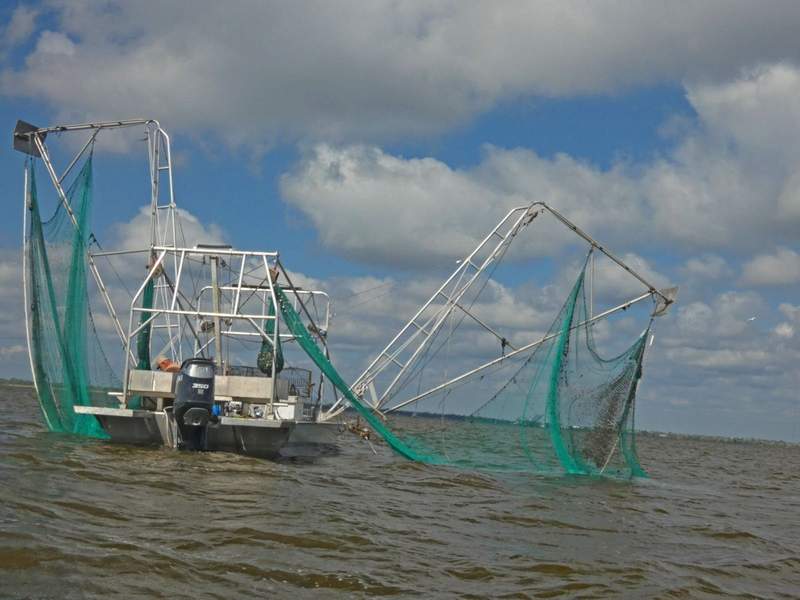
As a Louisiana native, I am always excited to revisit my home state. Traveling along the Great River Road, paralleling the Mississippi River, the source of so much local food, I love experiencing the traditional French culture mingled with German, Spanish, Italian, African and indigenous people that make up this treasure trove of history, food and culture.
I was hosted on this trip by River Parishes CVB, but opinions are my own.
Jefferson Parish
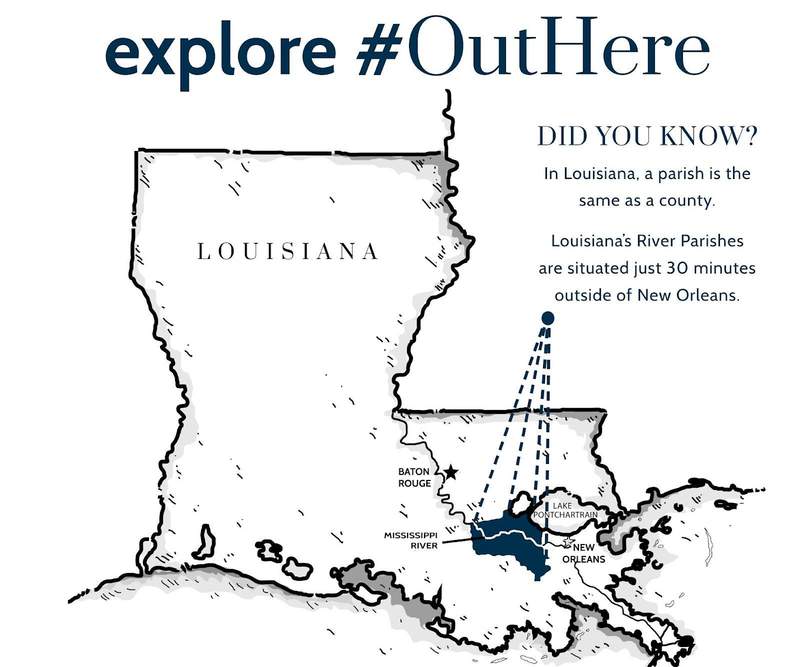
Jefferson Parish is the largest parish in Louisiana and where you fly into Louis Armstrong New Orleans International Airport. It excels in outdoor adventures, shopping and dining.
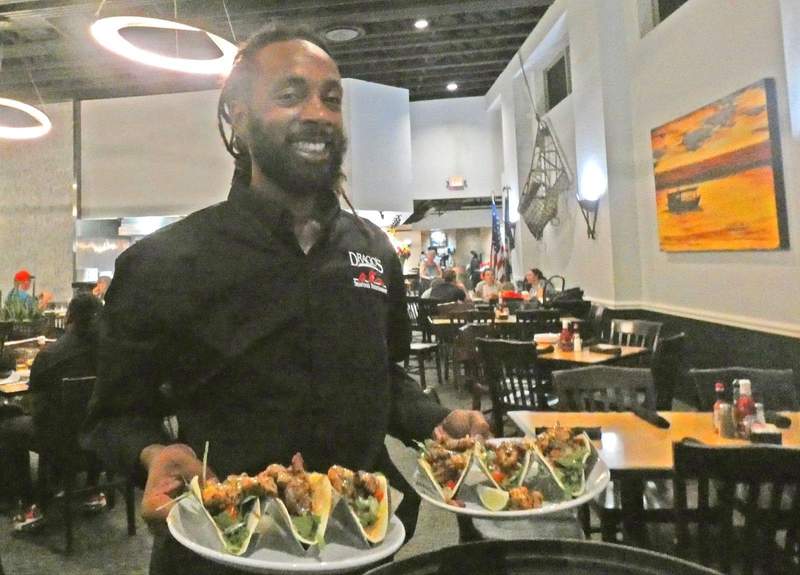
- Drago’s Seafood Restaurant in Metairie serves some fantastic dishes: charbroiled oysters, fried gator bites, boudin balls, gator tacos and gumbo to start. Besides the fantastic food. Klara Cvitanovich, who, with her husband, Drago, opened Drago’s in 1969, joined us and told of her early childhood in Yugoslavia and emigration to the US.
- Bourgeois Fishing Charters takes you out into Barataria’s waterways, where you can catch your own fish for a meal. Our captain, Josh Mosby, knows where the fish are lurking. One of our group, Terri, caught a large tarpon.
- After fishing, you return to base at Cajun Vista Lodge. They cook your catch. We enjoyed lunch there even though we didn’t have time for our catch to get cooked. The nine-room lodge began in 1902 as a school. Ask Josie, the operations manager, for a tour. I love the upper-level rooms because they show much of the original structure.
- Another lodging choice in Jefferson Parish is the Doubletree Hotel, where we stayed. Rooms are comfortable, but there is a parking fee.
SheBuysTravel Tip: Kristen Preau, AKA Jambalaya Girl, who has been making her family recipes since she was a kid, is based in Jefferson Parish and offers packets of pre-made Cajun gumbo and jambalaya that taste delicious and save you all the hard work.
Saint Charles Parish
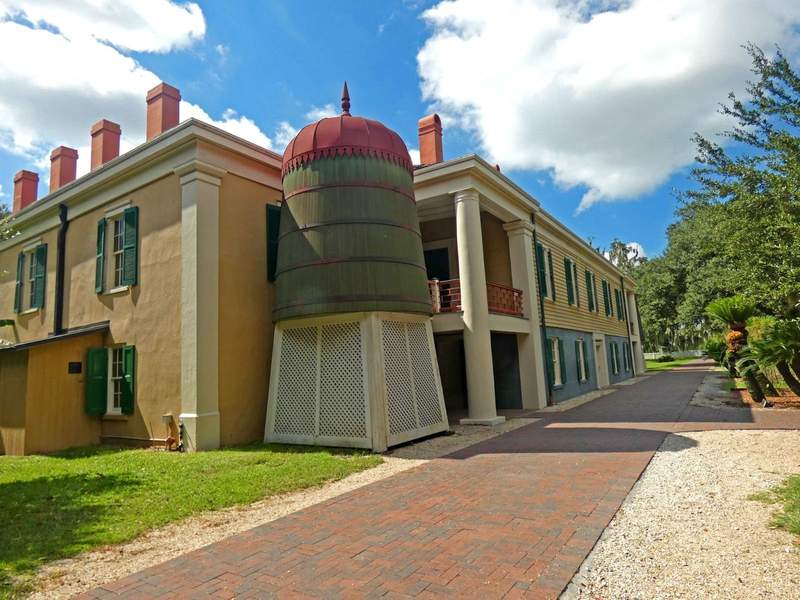
Saint Charles Parish is about 25 miles from New Orleans. It’s best known for its historic plantations. It is divided by the Mississippi River.
- Our guide, Jim, led us through Destrehan Plantation, the oldest documented plantation surviving in the Mississippi River Valley, dating to 1782. In the basement, we met a mannequin representing Charles Paquet, a free man of color, who built the mansion. Most rooms have mannequins representing people who lived or worked here.
- There were originally twenty double slave cabins at Destrehan Plantation, each housing two families. Today, there are two. One side of a present cabin shows how a family lived, while the other side depicts the Cooper shop in the 1800s. Coopers were barrel makers who were important on a sugar plantation.
- Miller-Haydel Museum is my favorite building on the plantation. It tells about the 1811 Slave Revolt, one of the largest in US history. It didn’t end well for the revolting slaves. The other side hosts the Rost Home Colony exhibit, where the plantation was used by the Freedman’s Bureau after the Civil War, assisting the newly freed slaves.
Saint John the Baptist Parish
Saint John the Baptist Parish is known for its cultural traditions, including the Christmas Eve “Bonfires on the Levee” and its food, especially andouille sausage. There’s an annual Andouille Festival ending with a gumbo cooking contest where andouille is the main ingredient.
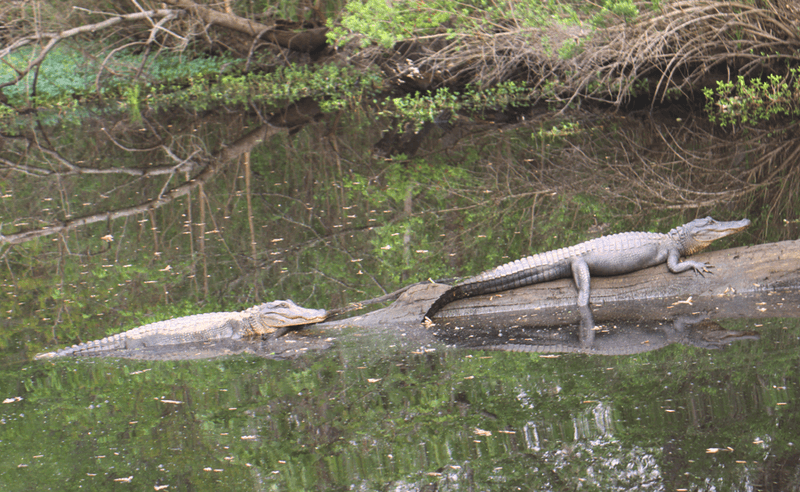
- For a close-up view of the swamp wildlife, take the Cajun Pride Swamp Tour through 25 miles of Manchac Swamp. You’ll see alligators, a family of raccoons, many birds and hold a little ‘gator. The captain pointed to an anhinga drying its wings. There’s a cabin, haunted by the ghost of voodoo priestess, Julie White, who lived and died here.
- To see Cajun food in the making, visit Wayne, begun by Nolan Jacobs in 1950. Jared Zeringue bought it and maintains the tradition. Traces of the old smokehouse are displayed in the restaurant. Sample some Tasso, boudin balls, fried Andouille chips and sausage for a taste of authentic Louisiana!
- For the more adventurous, get a bird’s-eye View of the Maurepas Swamp on ZipNOLA Swamp Zipline. I stayed on the elevated spectating deck and took pictures as others climbed the 60-foot Start Tower.
Saint James Parish
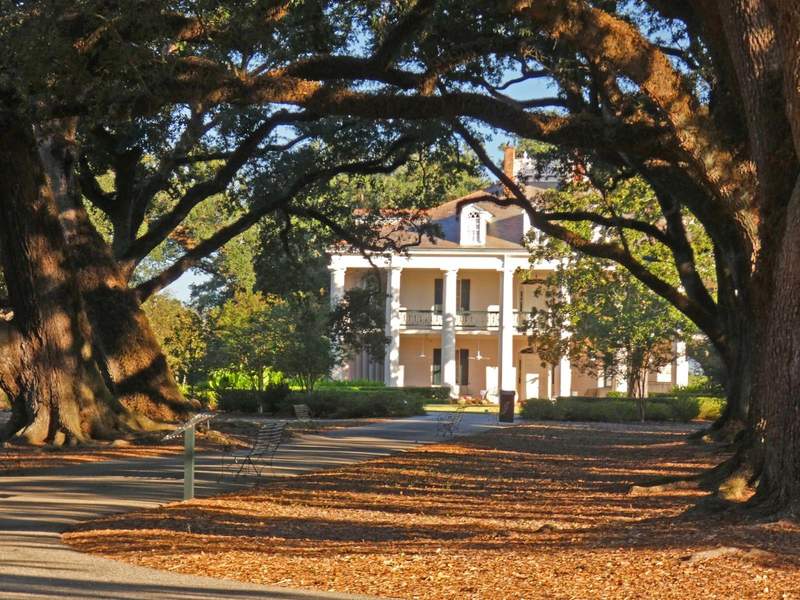
Saint James Parish is about midway between New Orleans and Baton Rouge, part of what is called “The German Coast” because of the many German emigrants who settled here and mingled with the Cajuns. It also celebrates the Christmas Eve bonfire tradition. It’s known for its plantations, especially Oak Alley Plantation.
- On our Oak Alley Plantation tour, David, the house manager, let us take photos. Normally, this isn’t allowed. He walked us through telling the history of the house from 1836, when Jacques and Celina Roman moved into their “Big House” to when the last owner, Josephine Stewart, died in 1971 and left the house to the Oak Alley foundation.
- You can tour Oak Alley grounds separately from the Big House tour. The most commanding features are the 28 live oaks leading to the home. We toured the outbuildings and my favorites are the Slave Cabins and Blacksmith Shop, which tell the enslaved people’s stories. The gardens and Sugarcane Theater are worth a visit.
- The home is owned by a foundation, but the rest of the property is privately owned. My friend Kat and I shared the Milkshed, built on the site of the plantation’s original milkshed for one of the later owners. It’s a fantastic two-bedroom cottage with a great view from the balcony. Oak Alley Cottages were built at the turn of the century.
- Oak Alley Restaurant, where we enjoyed breakfast, also serves lunch. I loved my Plantation Breakfast with two eggs, bacon, biscuit and cheese grits. It’s next to the general store, where you can find a cute souvenir.
- That night, we had a Cajun Hands-On Cooking Experience at Spuddy’s Cajun Foods. We all cooked gumbo, jambalaya, okra and green peas with Spuddy looking over our shoulders. You’ve got to love Spuddy. He told us stories about Cajun culture and growing up in St. James Parish. He specializes in homemade andouille sausage.
Ascension Parish
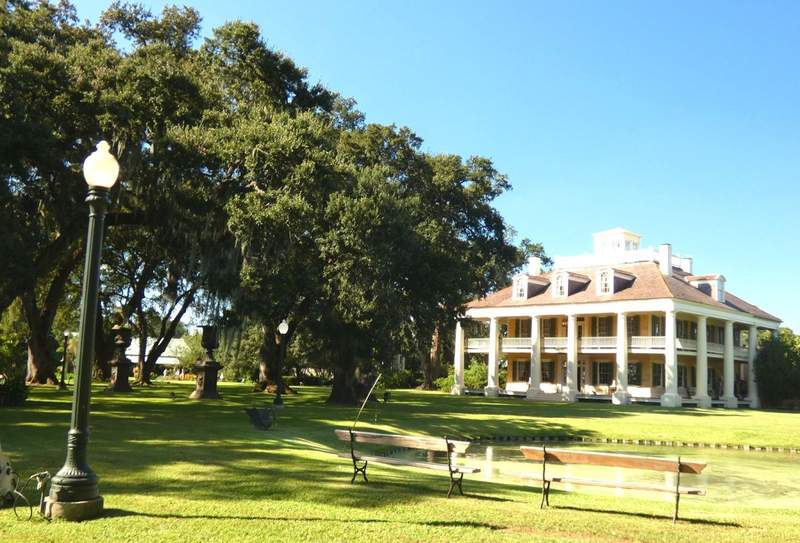
Ascension Parish is only 20 miles from Baton Rouge, the state capital. It calls itself the “Sweet Spot” as it offers a sweet mingling of customs in food, history and culture.
- Houmas House is the most elaborately furnished of the plantation homes we toured. It began in 1774 as a two-story structure called “The French House.” Over the years it underwent several additions. General Wade Hampton acquired it in 1811 and added his addition. It’s owned by Kevin Kelly, who put lots of money into the restoration.
- Owner, Kevin Kelly, met us for lunch and took us, and his dogs, on a golf cart tour of the gardens and cottages. Throughout the 38-acre gardens, we saw classical stone figures, bronze sculptures, fountains and many birds among the plantings of both native and exotic plants. Each cottage is furnished in Old-World style.
- There are multiple dining options at Houmas House. We met Kevin as we dined at Dixie Cafe Restaurant, offering casual dining with a buffet lunch. Latil’s Landing Restaurant and The Carriage House Restaurant are more formal. We had a drink at the Turtle Bar and toured the others.
- The Great River Road Museum is as interesting as the plantation house. It’s filled with exhibits telling the history of Louisiana. One of the most whimsical is Napoleon in his bathtub, learning that the Louisiana Purchase was approved. The saddest is an enslaved mother and child begging an auctioneer not to sell her husband away from them.
- At Sugarfield Spirits, Thomas, the owner, told us why he makes rum. He said there are about 500,000 acres of sugarcane produced in Louisiana, mostly in this area. He showed us through the distilling area and took us into the bar to taste some of his products, including apple cider. Thomas also makes gin, vodka and a lot of fruit liqueurs.
SheBuysTravel Tip: Be sure to notice the paintings in Houmas House. Since owner Kevin Kelly is such a dog lover, he had some paintings of plantation owners painted with dog heads instead of the original humans when he refurnished the home. The entire complex is dog-friendly, including the museum.
Read More:
- Big Cats and Cannolis: 13 Unique Things to Do in Cleveland
- Explore Cajun Country: 16 Fun Things to Do in Lafayette LA
- Fun Things to Do in Townsend, Tennessee
- Fun Things to do in Knoxville, Tennessee


Leave a Reply