


I set out to explore northern Bavaria by train—and discovered that Franconia might be Germany’s best-kept secret. Every stop brought surprises: medieval lanes, riverside cafés and villages that seemed straight out of a fairy tale.
Regional rail made solo travel easy and unhurried, connecting hidden gardens, vineyard landscapes and grand Baroque palaces. This journey rewarded curiosity—slowing down, wandering off the map and following my own rhythm led to the best discoveries.
The writer was partially hosted.
Finding a Home Base: Nuremberg
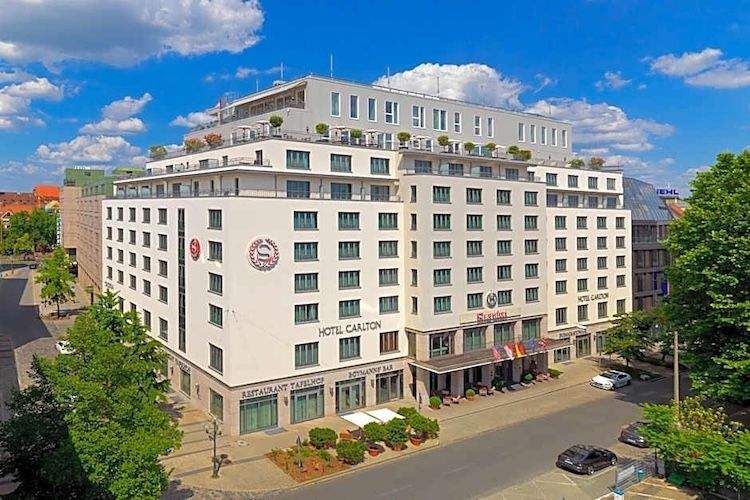
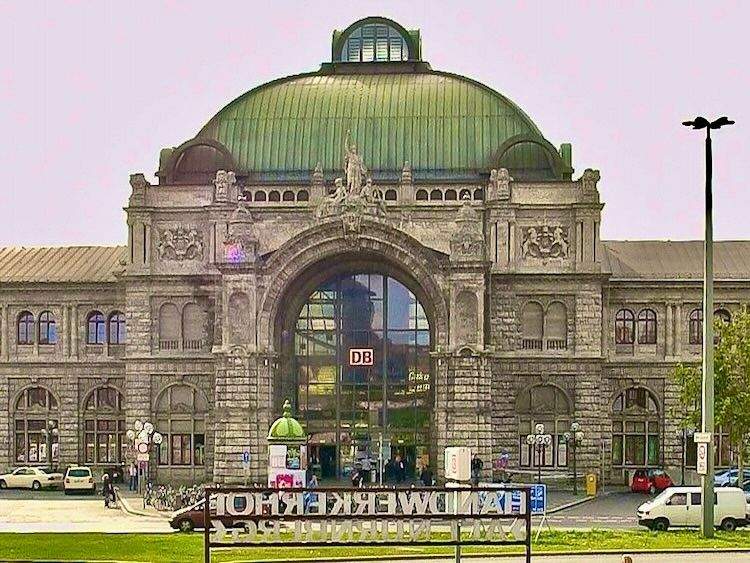
I stayed at the Sheraton Carlton Nuremberg, just down the street from the central station—ideal for early departures and easy train connections. The five-star hotel features a restaurant, rooftop spa and indoor pool, offering special perks for Marriott Bonvoy members, including happy-hour specials and bonus points.
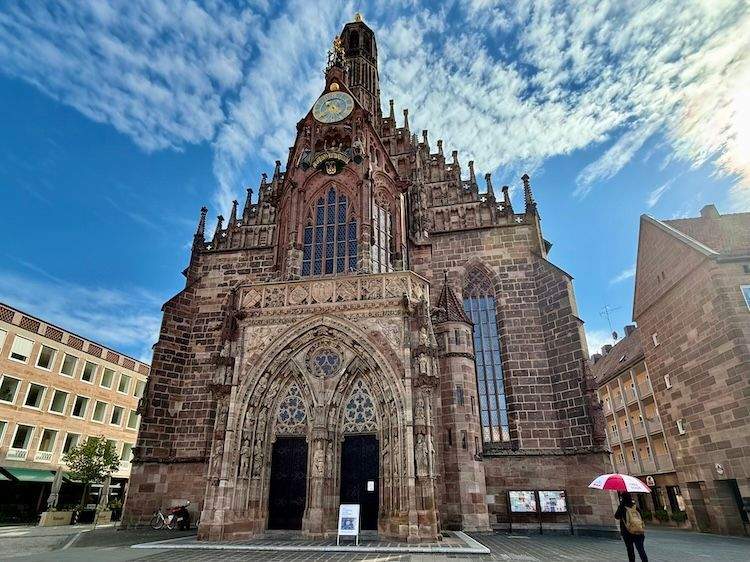
Nuremberg blends medieval charm with modern convenience—a castle, half-timbered streets, museums and lively markets. Each morning, I’d head to the station, find my platform, people-watch and grab a coffee. Well-lit streets and a compact center made it an ideal solo launchpad.

Are you ready to explore off the beaten path? Let us inspire you!
D&B Train Tickets: A Cost-Effective Solution
The Bayern Ticket offers unlimited regional travel in Bavaria for a fixed daily rate. Trains operated by Deutsche Bahn (DB) run on time, are comfortable and easy to navigate. Routes pass river valleys, vineyards and rolling hills, costing around €29 for one traveler, with an additional cost of roughly €10 per person (up to five). Perfect for friends or couples traveling together.
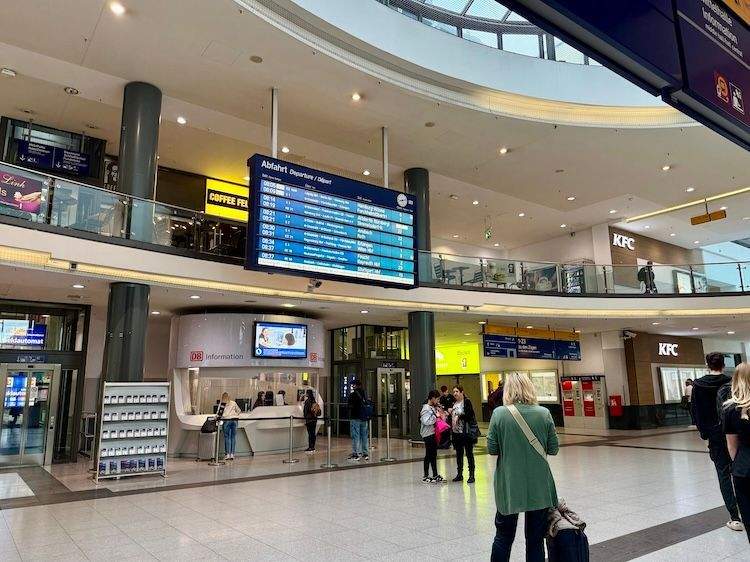
Solo travelers enjoy independence without driving. Luggage space, seating and clear signage make journeys simple. Frequent departures mean flexibility. Regional trains provide access to small towns and major cities alike. DB is reliable, scenic and ideal for exploring Bavaria efficiently. Learn more about stations and services.
SheBuysTravel Tip: The underground passage at Nürnberg Hauptbahnhof links directly to the city’s U-Bahn/tram network, letting you reach key sites, including the former Nazi Rally Grounds. Buy tickets at the red VGN machines inside the station.
Is It Safe to Travel Solo in Bavaria?
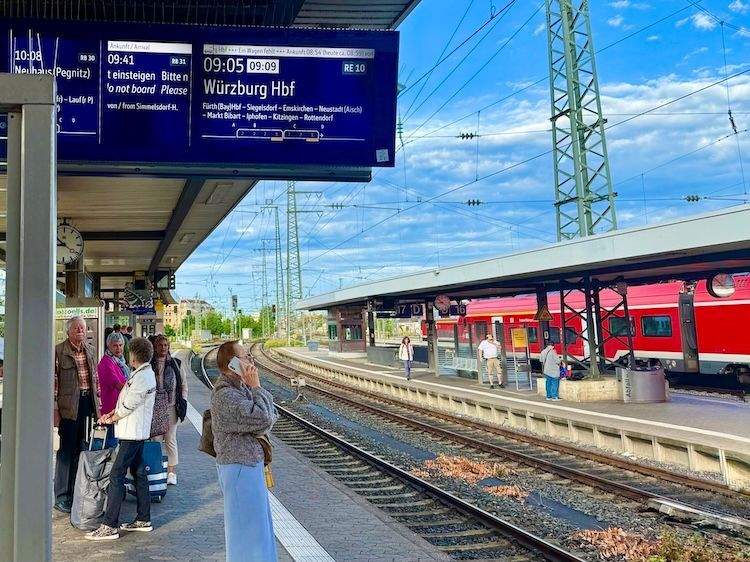
Nuremberg is rated “Very Safe” for solo female travelers by HowSafe.net—a reassuring guide for first‑time visitors.
Franconia’s public transport is reliable, comfortable and widely used—apps like DB Navigator make tracking platforms and schedules easy, helping solo travelers feel confident.
-
Carry a copy or photo of your passport; German law requires adults 16+ to carry government-issued ID—checks are rare, but it’s good practice.
-
Stick to well-lit streets, especially at night and trust your instincts when exploring.
Tips for Solo Travel
-
Plan trains the night before; aim for early departures.
-
Pack a light daypack: water, phone, charger, rain shell.
-
Ensure cellular service (eSIM or home plan) for GPS and schedules.
-
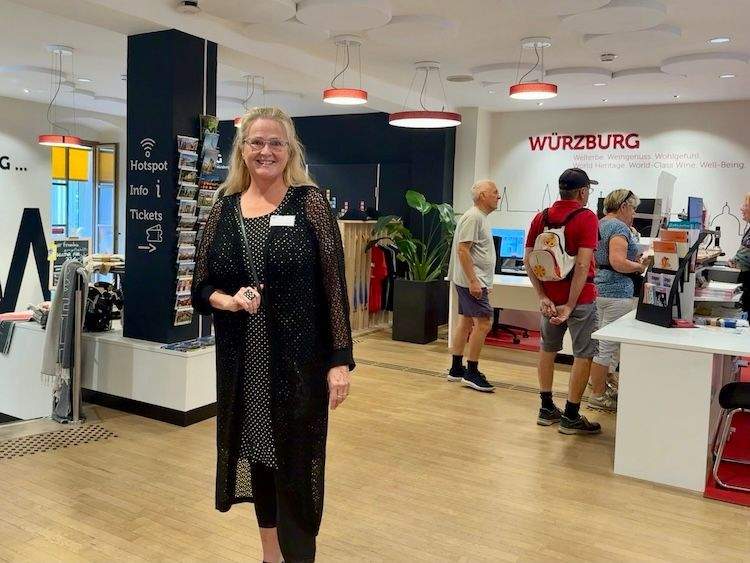
Stop by visitor info centers—usually in or near train stations—for maps and tips.
-
Mix half-day guided tours with free roaming.
-
Learn a few German phrases; smile—it goes a long way.
-
Pause for café breaks, riverside benches or spas.
SheBuysTravel Tip: Download the GetYourGuide app to explore tours, restaurants and experiences during downtime.
Bayreuth: Baroque Splendor and Musical Legacy
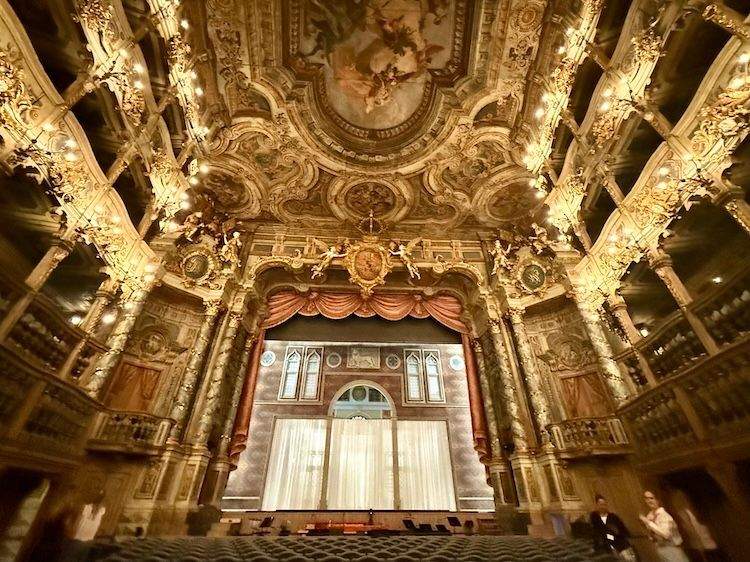
Bayreuth’s story centers on Margravine Wilhelmine, sister of Frederick the Great. She married the Margrave and transformed a quiet town into a Baroque jewel in the 1700s, building lavish palaces and the Margravial Opera House. Her extravagance nearly bankrupted Bayreuth—but today, those gilded buildings and ornate streets remain a stunning testament to her legacy.
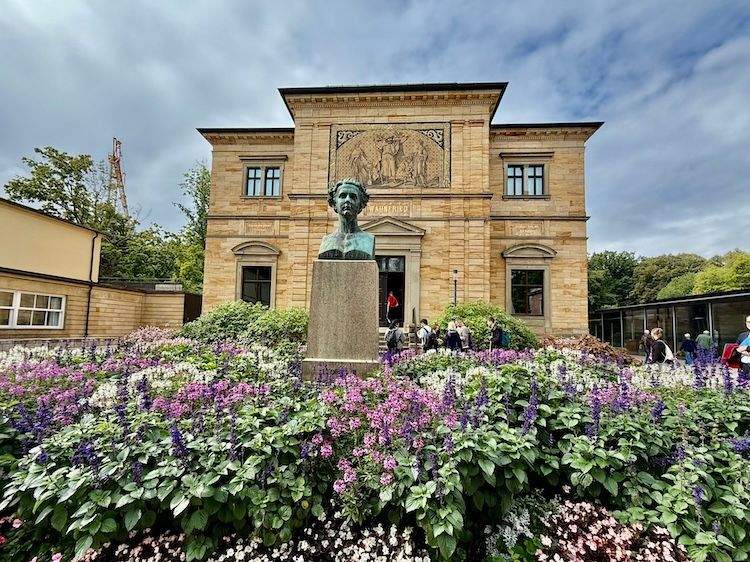
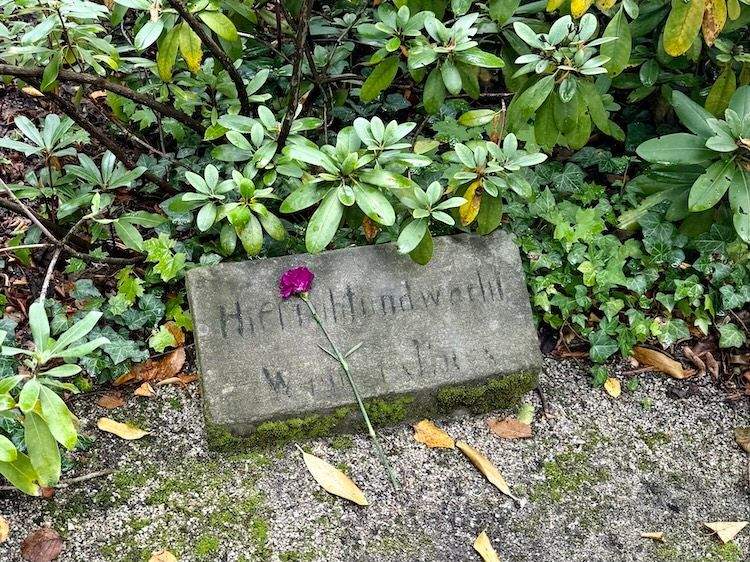
A century later, Richard Wagner made Bayreuth his artistic home, building Wahnfried, now a museum, and his own opera house. The city still hosts the annual Wagner Festival, more than 150 years after its inception. Behind Wahnfried, small headstones mark his beloved dogs—a personal touch to a legendary life.
Bad Kissingen: A Classic Spa Town
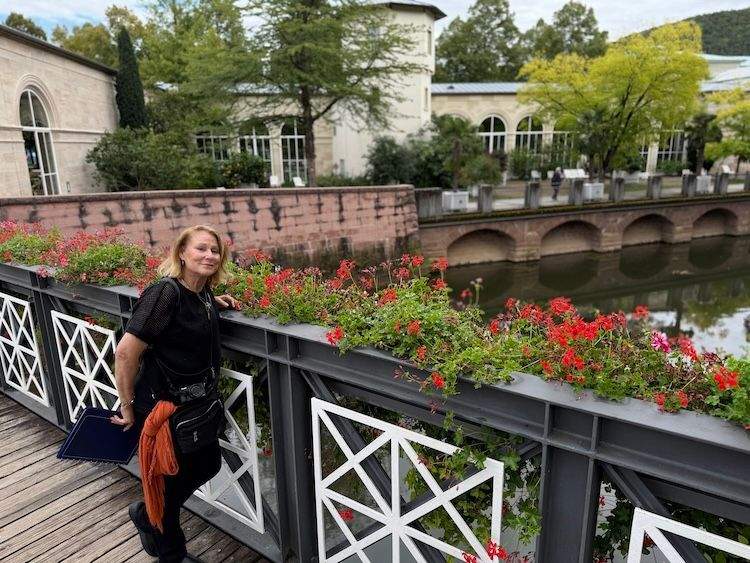
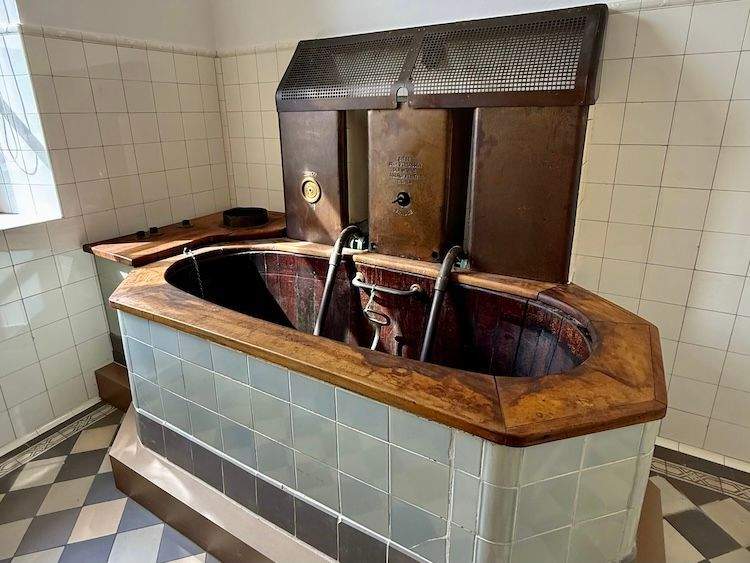
Bad Kissingen has attracted visitors for over a thousand years, earning fame as one of Europe’s premier 19th-century spa destinations. “Bad” signals mineral springs, some for drinking, some for bathing. The original bathhouses survive, complete with historic wooden tubs. The Kurpark, with its pavilions and walking paths, invites unhurried strolls and quiet moments to unwind.
I wandered the gardens, tasted the waters and imagined royalty strolling here—Empress Elisabeth of Austria, Tsar Alexander II and Otto von Bismarck. UNESCO-listed, the town blends history, culture and wellness, making it a perfect stop for solo travelers seeking heritage and tranquility.
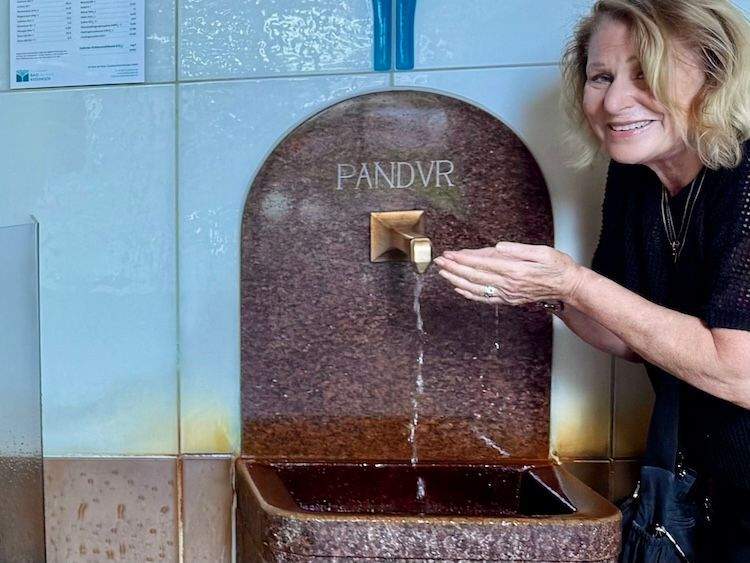
SheBuysTravel Tip: Sample the mineral springs at the Brunnenhalle or indulge in a full soak at KissSalis Therme for the ultimate spa experience.
Würzburg: Baroque Palaces and Vineyards
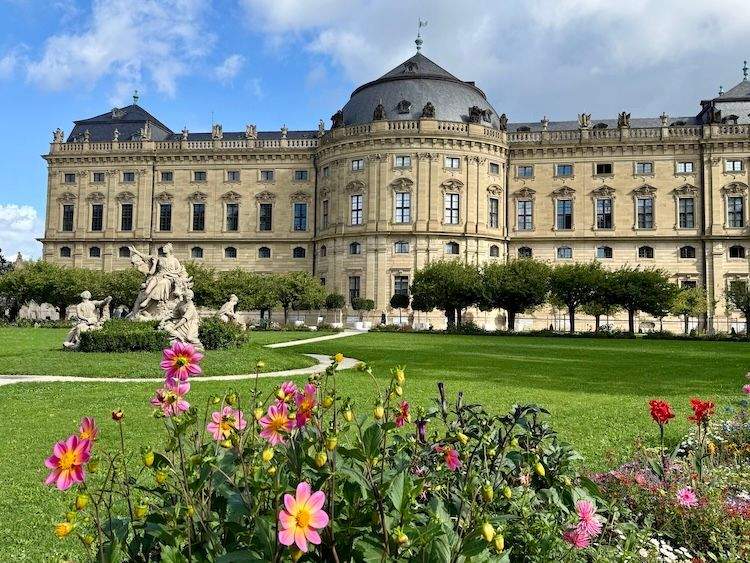
Würzburg’s fortress crowns the Main River, while the Residenz, a UNESCO World Heritage Site, dazzles with marble, frescoes and manicured gardens. I took a guided tour of the palace and marveled at its history and artistry. The Residenz’s cellar still produces Franconia’s famed white wines, linking centuries of tradition to today’s tastings.
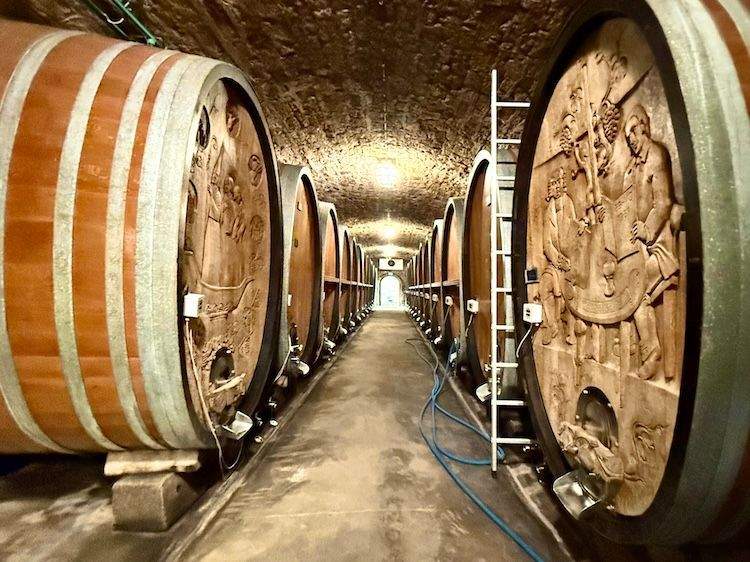
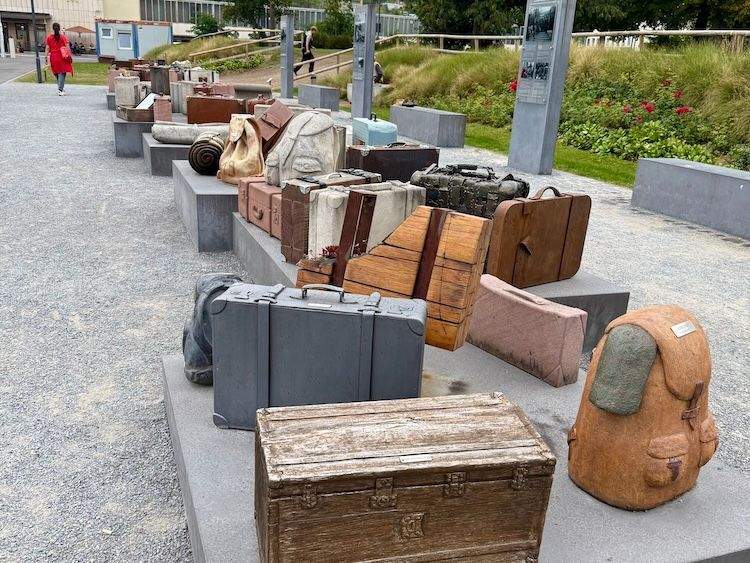
At the historic Bürgerspital zum Heiligen Geist, founded in 1316, I savored each sip in its vaulted wine cellar. Its vineyards cultivate Silvaner and Riesling, and proceeds support senior care, blending heritage, flavor, and history in every glass. Near the rail station, a stark art installation remembering the deportation of Jews stopped me in my tracks. An expectedly powerful moment that grounded the day in history.
Rothenburg ob der Tauber: A Medieval Step Back
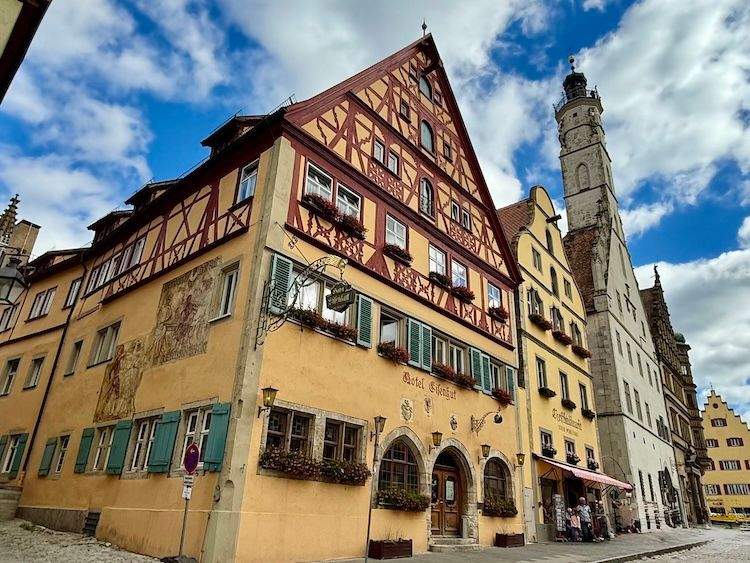
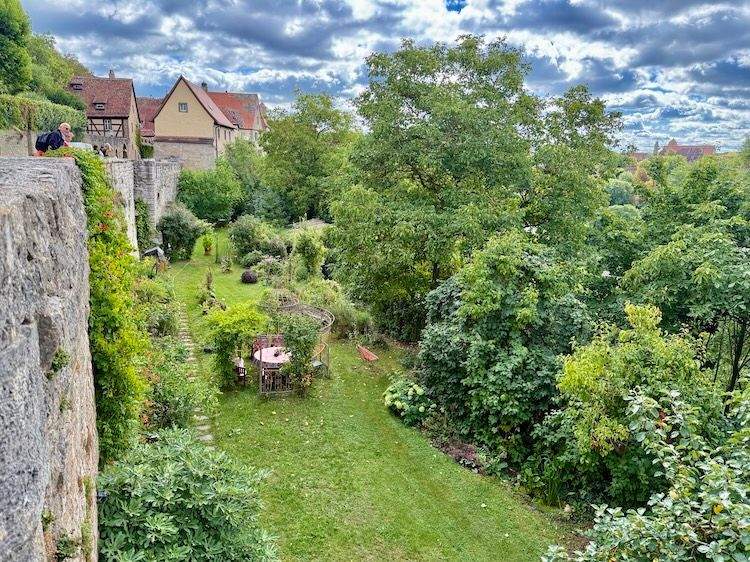
Rothenburg ob der Tauber is the quintessential medieval town, with its 42 towers and intact city walls defining one of Germany’s most photographed skylines. Once a wealthy Free Imperial City (1274–1803), it prospered through trade in cloth, wine and salt before decline followed the Thirty Years’ War. Behind its half-timbered façades lie hidden courtyards and lush private gardens.
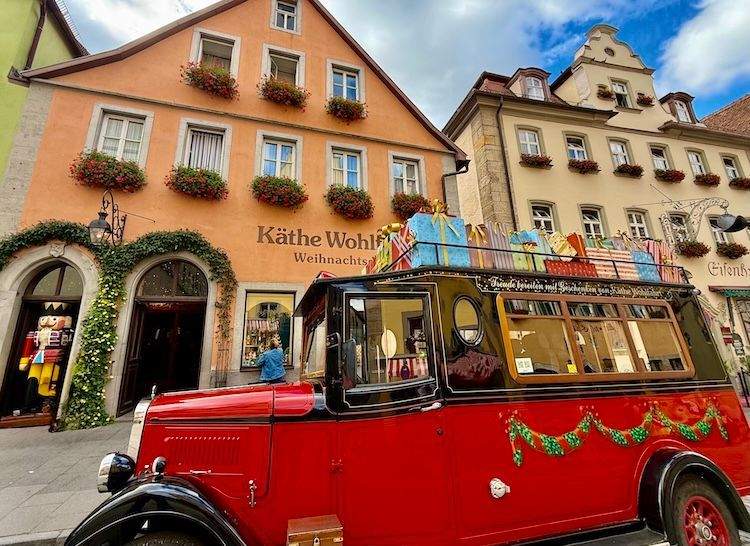
From May to September, seven gardens are open by appointment. They are free to visit, offering garden lovers a rare chance to chat with locals. The brochure Rothenburg Garden Paradises highlights these secret oases beyond the city walls.
Bamberg: Medieval Charm and River Views
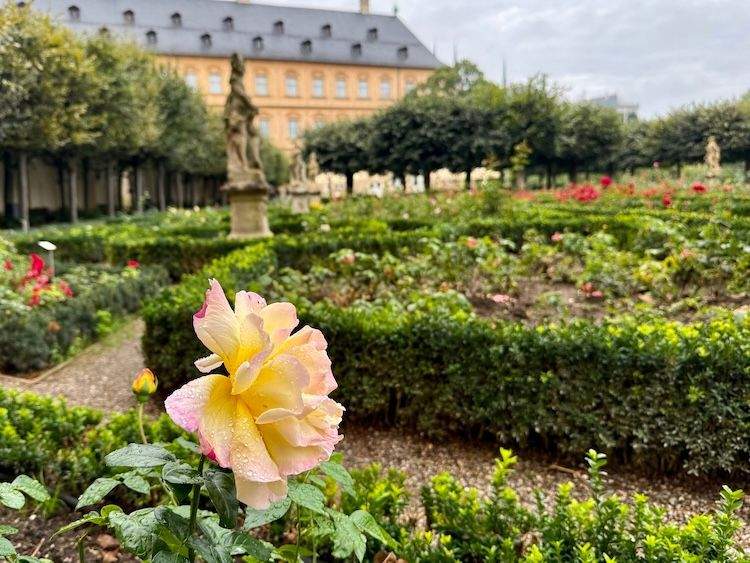
Bamberg’s UNESCO-listed Old Town winds along the Regnitz River. The imposing cathedral anchors the skyline. Once a powerful Imperial City and Catholic center, Bamberg became a prince-bishopric in the 11th century. Its seven hills earned the nickname “Franconian Rome.”
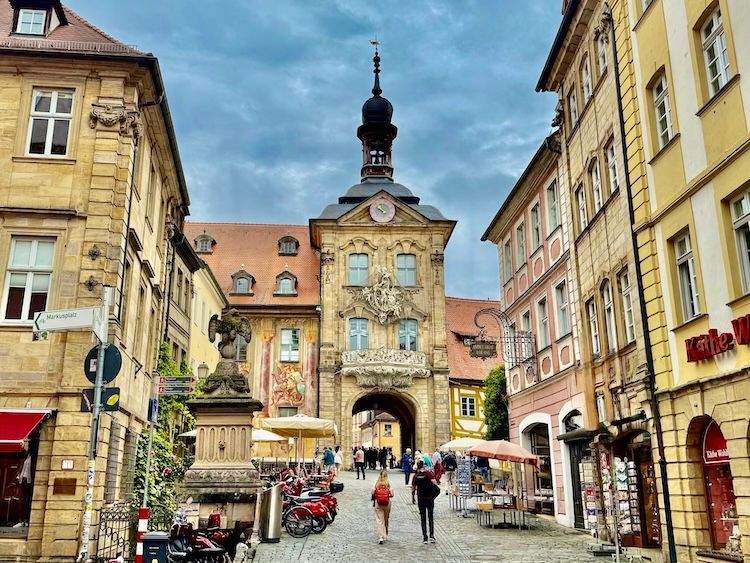
The Altes Rathaus, or Old City Hall, perched above the river, straddles two bridges—a vivid reminder of the city’s long history as a free imperial state. I tried Bamberg’s famous Rauchbier, a dark, smoky brew that tastes like liquid campfire—not exactly my favorite, but definitely memorable and a quirky souvenir to take home.
SheBuysTravel Tip: For the best photo of Altes Rathaus, cross the Obere Brücke footbridge at sunset; the half-timbered façade glows above the river.
Why Franconia is Worth Exploring Solo
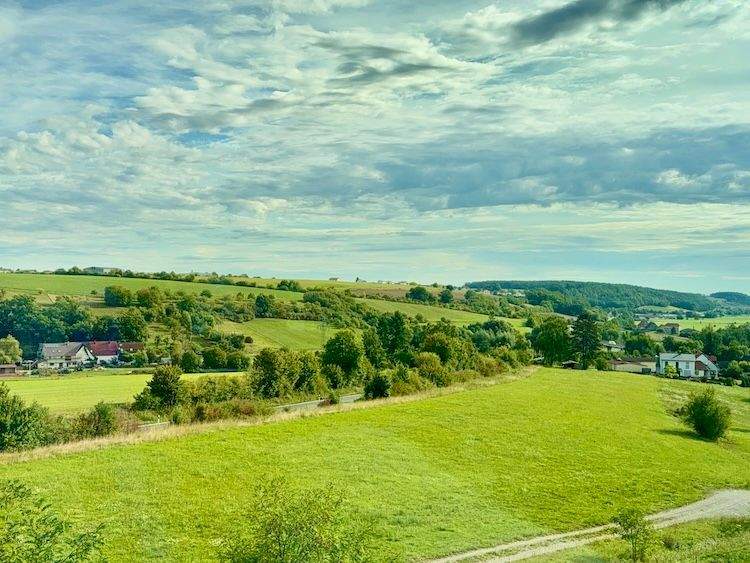
Franconia is a tapestry of history, art and rolling vineyards, all easily explored by train. Walkable towns, scenic rides and hidden gems make solo travel effortless and rewarding. Base yourself in Nuremberg, grab a Bayern ticket and let each day unfold at your own pace—discovering, lingering and savoring moments that make this region unforgettable.
Read More:
- Three Solo Days in Tokyo
- Solo Road Trip Miami to Tampa
- Expert Travel Tips for Solo Teen Travel
- 7 Things I Learned From My First-Ever Glass-Dome Train Trip

Leave a Reply