

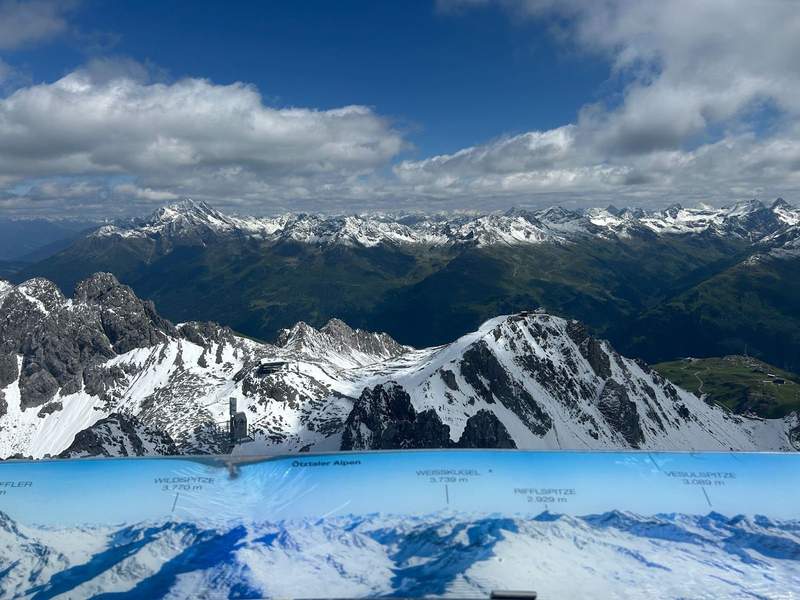
Nothing makes me happier on vacation than being surrounded by the grandeur of the mountains. And I had landed in heaven in the Arlberg region of Austria. E-biking through the deep, verdant valleys around St. Anton and hiking the wildflowered trails near Lech, the beauty of the Alpine wilderness and the mountain peaks was everything I imagined it to be. What I wasn’t expecting though, was the joy of returning to our family-run hotels after our mountain adventures. What made it particularly special was the tradition of Halbpension (half-board), which forms the heart of Austrian Alpine hospitality.
What do you mean by half board?
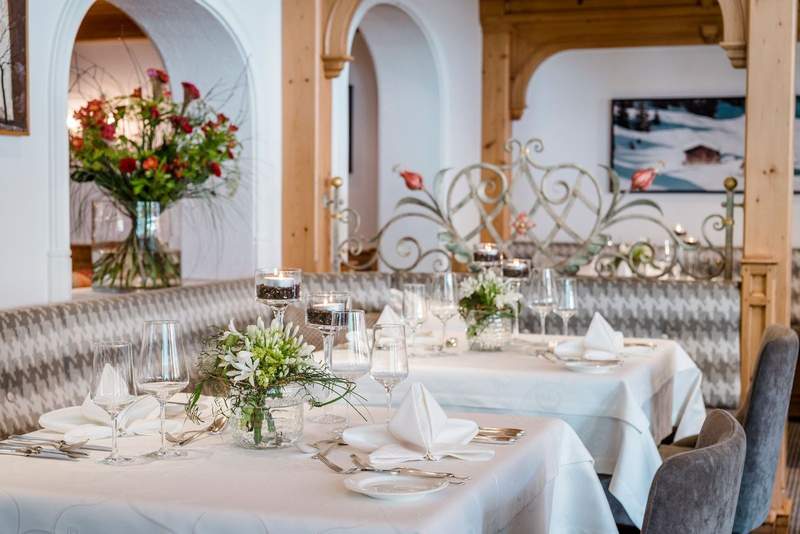
I hadn’t heard of it either. But with this option, we had our own assigned tables, where each evening we sat down to a multi-course gourmet dinner and each morning we delighted in a smorgasbord of breakfast options. To soothe our tired muscles after our hiking and biking adventures, we had access to wellness centers with multiple saunas, steam rooms and hot tubs. And because these were small hotels and not mega resorts, we felt a genuine sense of being cared for and relaxation that complemented a day spent in the mountains.
Get more adventure travel inspiration with our newsletter!
What does a typical half-board package include?
- a breakfast buffet with fresh breads, pastries, local cheeses and meats, muesli, yogurt and eggs cooked to order
- afternoon snack ‘ Jause’, a spread of cakes, sandwiches and soups set out in the late afternoon to refuel returning hikers and skiers.
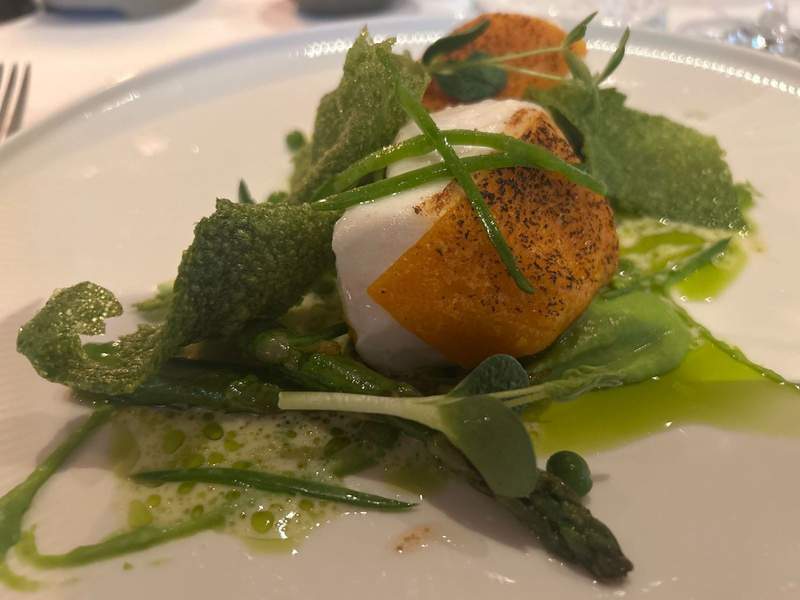
- a multi-course dinner, with a daily choice of entrees, often reflecting the regional specialities. At the Halpensions we experienced, the quality was outstanding, with each course beautifully prepared and presented.
- full use of the hotel’s spa facilities, which for us included multiple saunas, steam rooms, relaxation lounges, a whirlpool and an indoor pool.
SheBuyTravel Tip: As the portion size of each course tends to be very generous, follow the European custom of taking breaks between courses. Also, it’s perfectly acceptable and a good idea to ask for half portions.
What’s not included in a half-board package?
Lunch is on your own, since people are typically out exploring.
Alcoholic beverages and sometimes even bottled waters and sodas are extra. (Go ahead and order a bottle of wine even if you just want a glass or two, as the rest will be saved for your next meal).
À la carte menu items are separate as well as spa extras like massages, body treatments and facials. Tips are at your discretion (the customary rate is lower than in North America and usually in the 5-10% range).
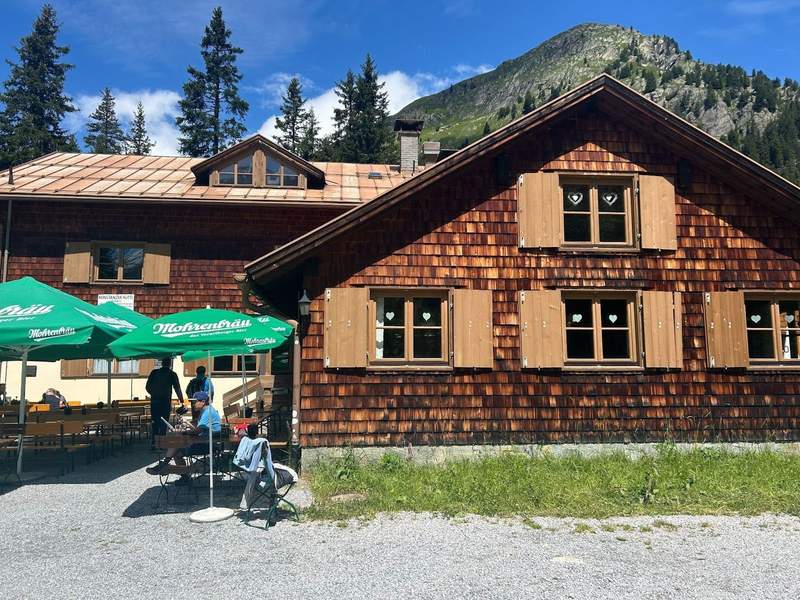
SheBuysTravel Tip: Good options for lunch are the mountains huttes, which function as high-alpine restaurants serving food and drink to hikers and skiers. Some have lodging, too, allowing for the possibility of hutte-to-hutte hiking.
The Arlberg Region: Where Skiing Began
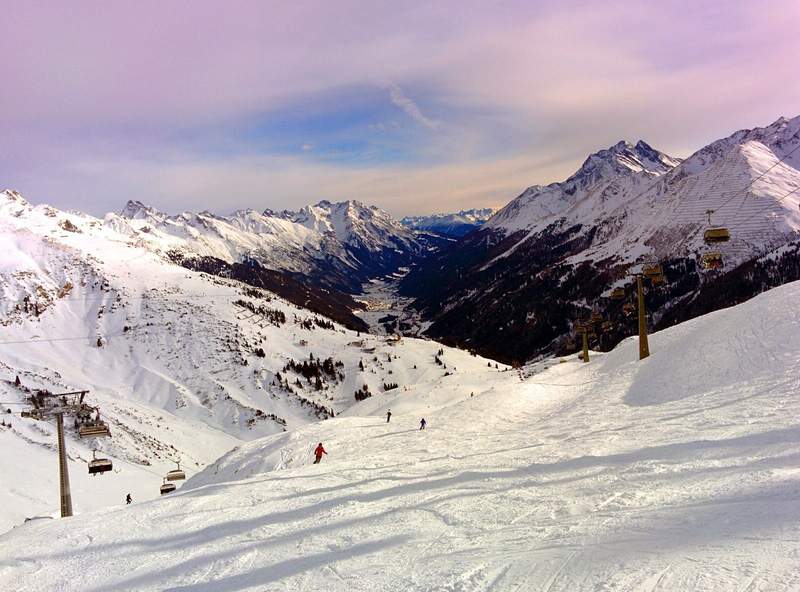
Situated in the Vorarlberg and Tyrol regions of Western Austria in the Alps, the Arlberg has been a magnet for mountain-loving vacationers since the turn of the 20th century. In fact, alpine skiing as we know it started in these very mountains. Today, over 2.5 million visitors descend on the same slopes to carry on the tradition of ski pioneer, Hannes Schneider, who developed the ‘Arlberg technique’.
Why skiers and hikers love the Arlberg?
- With approximately 200 miles of groomed slopes, 125 miles of off-piste terrain and 87 gondolas and ski lifts, it’s the largest interconnected ski area in Austria and one of the largest in the world.
- All of it is accessed with one ski pass costing only $240 US for three days. The Epic Pass also includes the Arlberg.
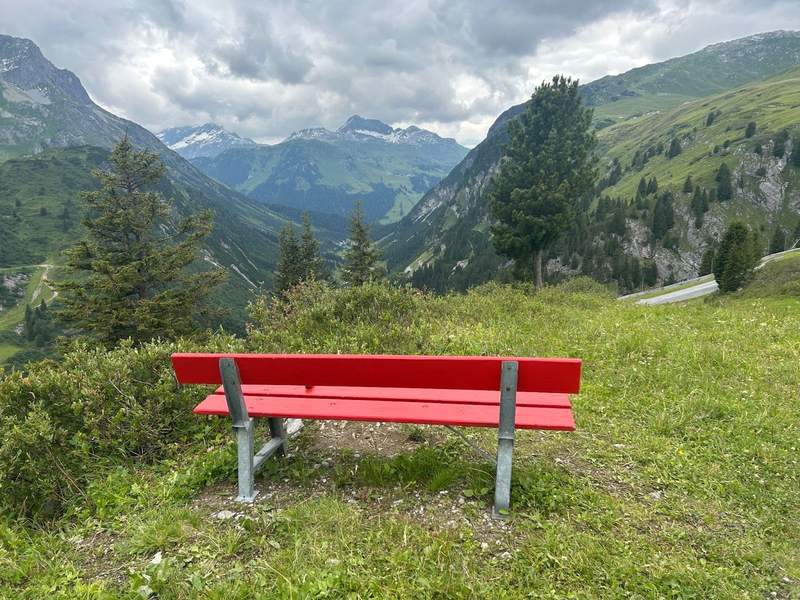
- When the snow melts, hikers and mountain bikers replace skiers. The infrastructure of cable cars and lifts means access to the high-alpine wilderness with thousands of miles of well-marked trails.
But the Arlberg’s true magic stems from its villages:
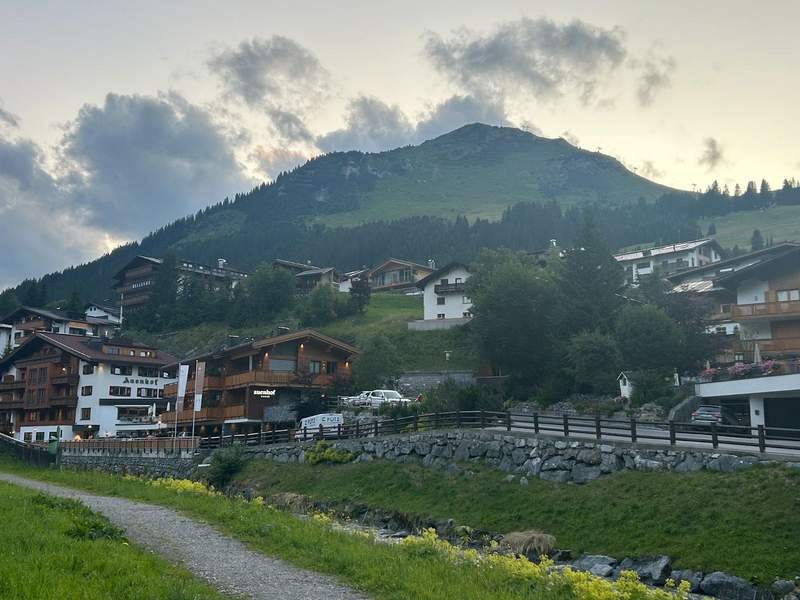
St. Anton am Arlberg, Lech, Zürs, St. Christoph and Stuben are interconnected and accessed with the same ski pass; however, each has their own distinct personality.
“Think of them like siblings,” said one local. “They come from the same family, but they’re all different.”
This was certainly true of Lech and St. Anton, two of the most well-known destinations in the Arlberg, and where we had the pleasure of staying. What they had in common, though, was the same spectacular scenery, mountain activities and the Austrian tradition of half-board, which turned our active mountain vacation into a true escape.
Lech am Arlberg: Elegant European Retreat
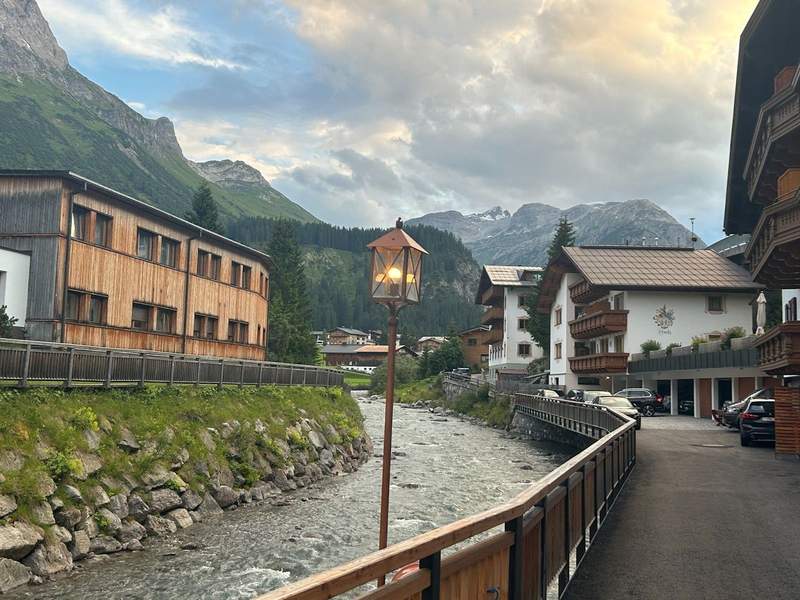
Using the sibling analogy, this mountain village would be the world’s oldest daughter, always put together without a hair out of place. Some might say a princess, and Lech has seen quite a few royals. The Dutch royal family visits regularly and Princess Di loved it, and she skied here with Prince William and Harry.
- Vibe: Chic and tranquil. With only one disco and two double-starred Michelin restaurants, this picture-perfect village attracts those looking for a peaceful retreat without sacrificing world-class amenities.
- On the Slopes and Trails: Der Weisse Ring ( White Ring) , a 14-mile ski tour connecting the towns of Lech with Zürs, Zug, and Oberlech, is legendary. In summer, it becomes the Green Ring and hikers challenge themselves to walk the same scenic alpine pistes the skiers glide down in winter.
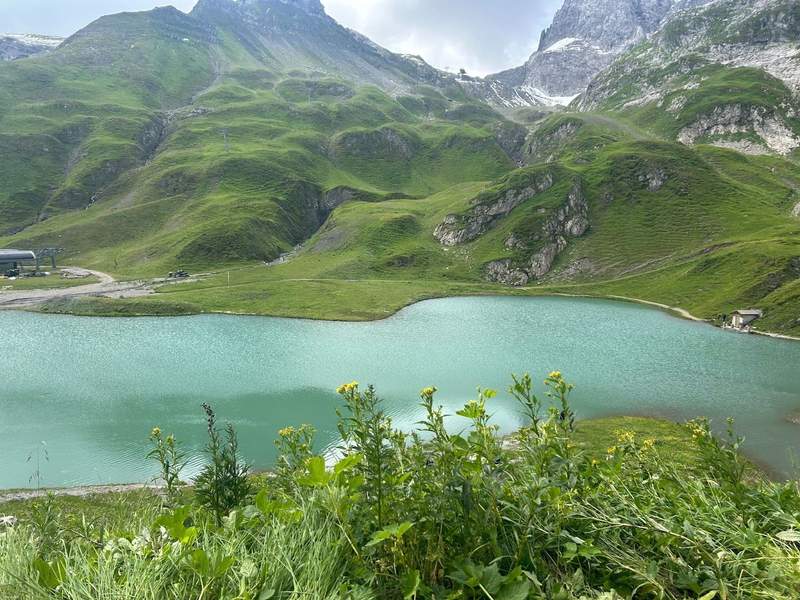
Our favourite hikes involved a gondola or lift up and a scenic hike down into town. From the Rufikopf cable car , we walked past a mirror-like lake on the geological trail to the village of Zurs (largely empty during the summer months but buzzing during ski season). We stopped at the Monzabon hutte , a family homestead that served up spreads of their own cheeses and meats along with other refreshments. Another stellar hike started at the top of the Seekopfbahn ski lift and led into Lech.
SheBuysTravel Tip: Bring or borrow hiking poles in summer. The downhill trails didn’t have the wide switchbacks I was used to hiking in North America and in parts I joked they were better suited for mountain goats (which we saw).
Off the Mountains: Indulge in some retail therapy (or just window shop) at the boutiques and/or enjoy a decadent patisserie at Café Gotthard. The Lech Museum, housed in a 330-year-old residence, displays artifacts of village domestic life and holds special exhibitions. We found their photography exhibit fascinating, as it chronicled the early pioneers of skiing and photography, and offered a window into the early days of mountain tourism in the Arlberg.
Our Half-Board Hotel Pick in Lech: Hotel Auenhof
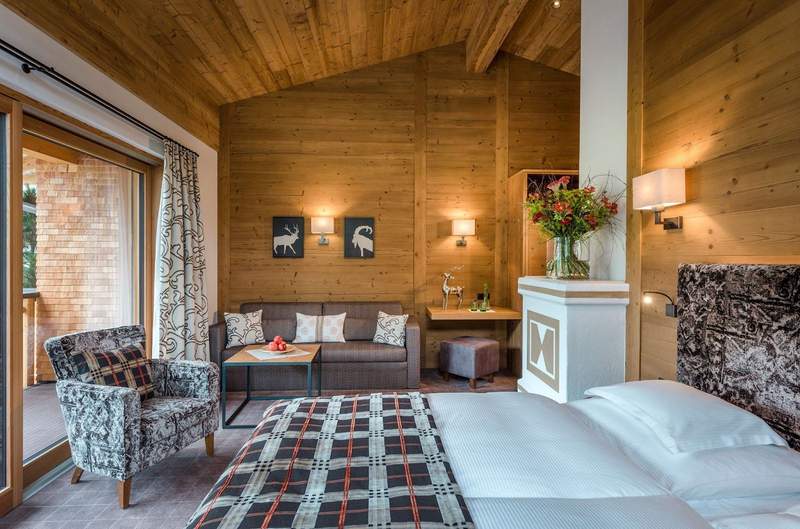
This family-run hotel right next to the Lech River offers personalized service and a farm-to-table dining experience to remember.
- Vibe: Comfortable alpine elegance with Michelin-worthy dining.
- Location: Just a three-minute walk from the center of town and the slopes, yet it feels farther with the sound of the river rushing outside the window and the view of the Omeshorn, Lech’s landmark mountain.
- Wellness Centre: Features a circular indoor swimming pool, relaxation rooms, an infrared sauna, multiple aromatic and therapeutic steam rooms and a traditional Finnish sauna.
- Accommodations: All configured differently, its 13 rooms range from large apartment-sized family rooms and spacious suites to smaller but well-designed double and single rooms. Many have balconies and all sport a modern alpine design with light wood, rich décor accents and a bright, airy feel.
- Dining: Surpasses all expectations. Each dish of the five-course meal is beautifully presented and exquisitely flavorful. Both the dinner and the buffet breakfast emphasize local ingredients with much of the meat and dairy products sourced from local farms.
St. Anton am Arlberg: Playful, International Exuberance
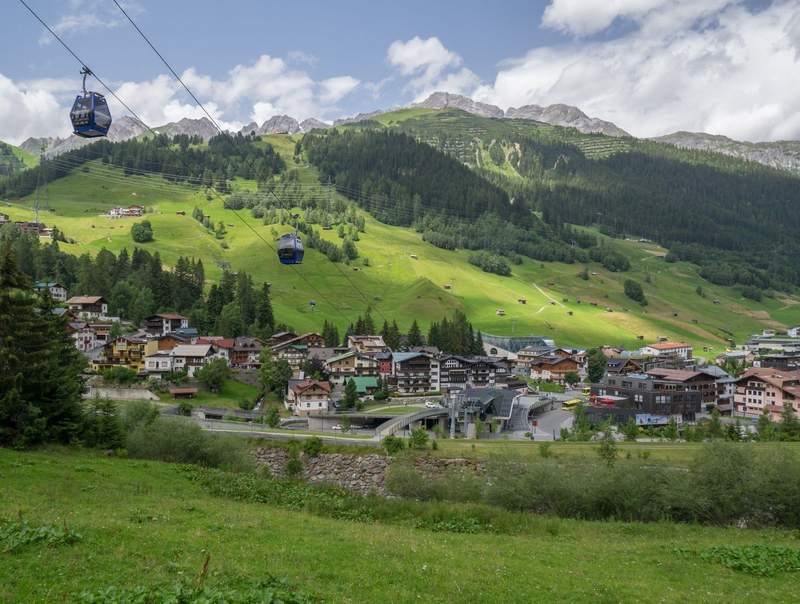
If Lech is the worldly older sister, St. Anton could be described as her wilder, younger brother, a bit of a rebel, who enjoys a good party, but still honors the traditions of family at heart. St. Anton forms the epicenter of the Arlberg and hosted the Alpine World Ski Championship in 2001. In summer, mountain biking has become increasingly popular each year, and, of course, the hiking is outstanding.
- Vibe: St. Anton buzzes with a lively apres-ski scene, which fills its pedestrian village center with revellers. Summer tends to be more subdued, but outdoor concerts and restaurant patios make it a pleasure to kick back and chillax when the sun goes down.
- On the Slopes and Trails: Tackle the Valluga Mountain with its challenging off-piste terrain (guide required) or enjoy the vast network of lengthy intermediate groomed trails. In summer, take three lifts to reach the 9,225-foot summit of Valluga and be wowed at the views of mountain peaks of five countries: Austria, Liechtenstein, Switzerland, Italy and Germany.
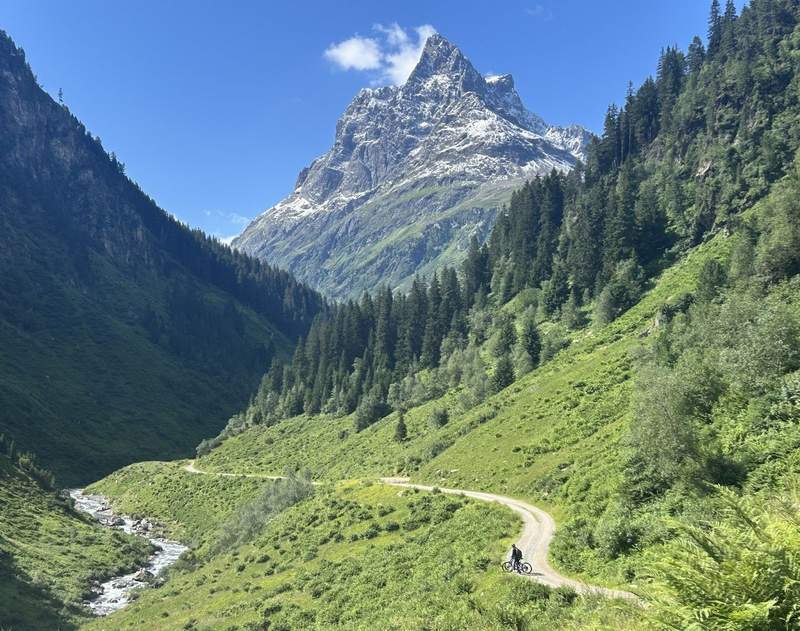
The Verwalltal , an unspoilt alpine wilderness area in the high valleys, can be explored on foot or bike. We e-biked on a guided tour and I felt as though we had landed in one of my favorite childhood books, Heidi, as we rode through the enchanting landscape. A Radler (beer & lemonade) and traditional dumplings at the Konstanzer huttetastily ended an unforgettable day in the mountains.
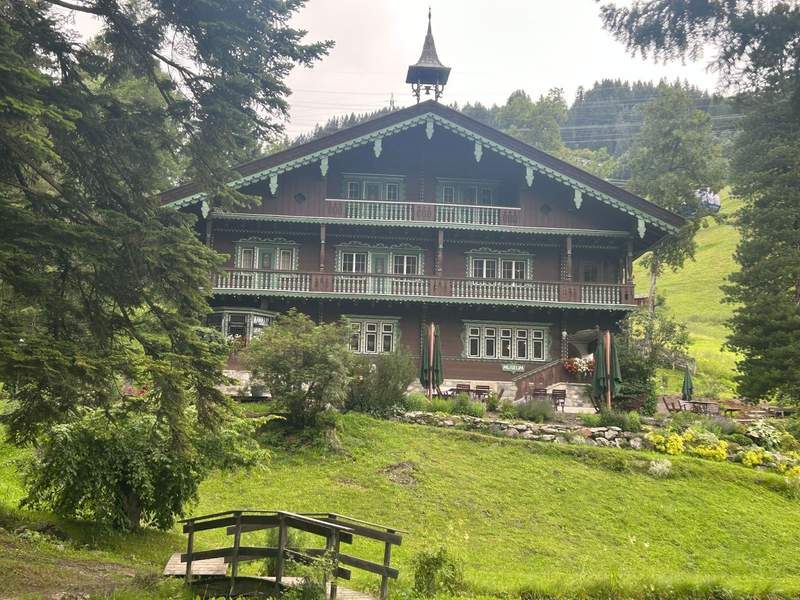
Off the Mountains: Carve into the history of alpine skiing at the St. Anton am Arlberg Museum, housed in the beautifully restored Villa Trier, a former summer residence dating back to 1912. Inside, you’ll find exhibits tracing the evolution of skiing, from handmade wooden skis and vintage lift passes to multimedia displays on the pioneers who put Arlberg on the world map. After exploring, we recommend savoring regional specialties like schnitzel, locally caught fish and Tafelspitz (local beef boiled in broth with creamed spinach) at the museum’s restaurant.
SheBuysTravel Tip : For summer visits, the St. Anton Summer Card Premium offers excellent value, providing unlimited free access to local gondolas and chairlifts, regional bus transport and activities such as guided hikes and swimming pools (Lech also has a summer card).
Our Half-Board Hotel Pick in St. Anton am Arlberg: Hotel Alte Post
This historic hotel with 17th-century origins offers a relaxed, refined atmosphere right in the center of town and within walking distance of the ski lifts.
- Vibe: Warm Tyrolean tradition. Though close to the buzzing apres-ski scene, the hotel has a more relaxed atmosphere, embracing its history and culture with its architecture and décor. Think cozy fireplaces, wood-panelled walls and hand-painted tiled accents.
- Location: Central and convenient. Right across from the train station, minutes from the slopes and right in the heart of the pedestrian area, you couldn’t ask for a better spot for your St. Anton mountain adventures.
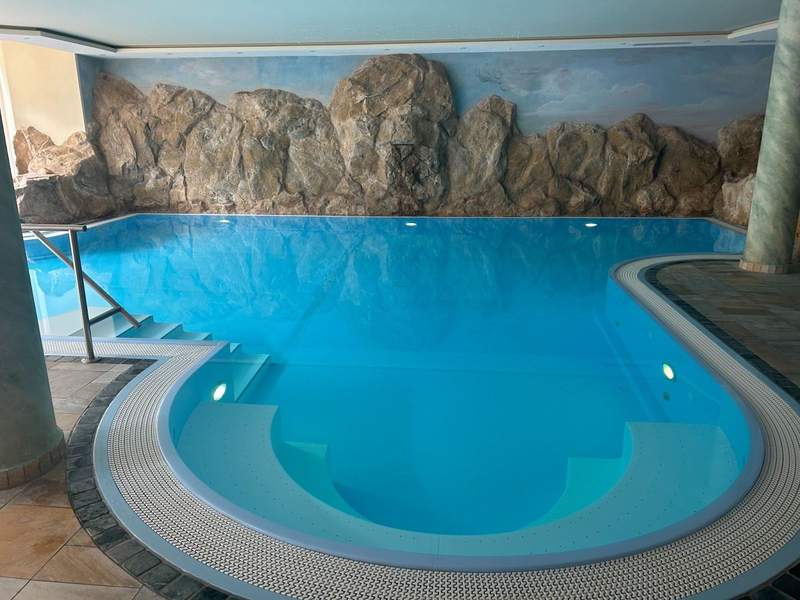
- Wellness Center: This 1,075-square-foot sanctuary features an indoor pool, hot tub, infrared cabin, and multiple saunas and steam rooms. We particularly loved the Zirbenholz Sauna, where the distinctive fragrant scent of the Swiss stone pine permeated the steamy bliss.
SheBuysTravel Tip: Spa etiquette in Austria dictates that no bathing suits are allowed in the steam rooms and saunas. Robes are worn for moving between areas and towels are brought in to sit on.
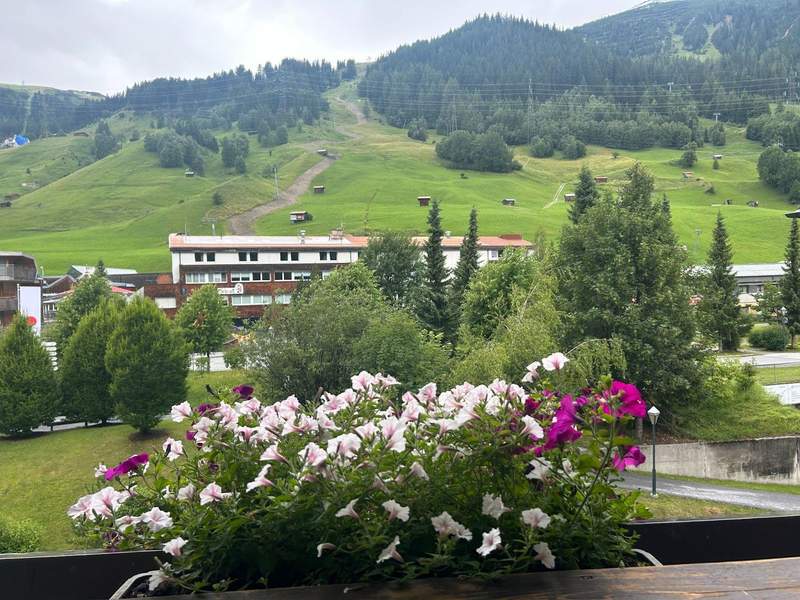
- Accommodations: The hotel offers a total of 58 rooms, including two-bedroom family rooms and 23 junior suites. All the accommodations are generously sized, and some have furnished balconies looking out at the slopes.
- Dining: The evening meals are the star of the half-board experience with multiple courses of flavorful dishes made with local ingredients. A generous breakfast buffet also highlights the area’s bounty and includes a selection of juices. One concoction contains a combination of indigenous herbs and greens that has been associated with health and wellness in the area long before juicing became a health trend.
Getting to Lech and St. Anton am Arlberg, Austria
Nearest international airports: Innsbruck (1.5 hours), Zurich (3 hours) and Munich (3.5 hours). All offer car rentals, shuttle services and regular train connections to the Arlberg region.
Train travel in Austria is efficient and scenic. St. Anton am Arlberg has its own railway station on the main Zurich–Innsbruck line, making it the easiest Arlberg resort to reach by rail. For Lech, the nearest train station is Langen am Arlberg, about 15 minutes away by taxi or bus.
SheBuysTravel Tip: Be sure to reserve a seat on the train when you buy a ticket. Otherwise, you may end up playing musical seats as the train fills up.
Getting between St. Anton and Lech: You can ski between the two villages in the winter, but otherwise it’s about a 20-minute car or taxi ride. Public buses also connect the towns.
Read More
- Experience the Fusion of History, Art, and Culture in Vienna, Austria
- 60 Years Later, The Hills Are Still Alive With the Sound of Music
- Best Eats at Christmas Markets along the Danube River
- 15 Jaw-Dropping One-Day Bucket List Hikes Around the Globe

Leave a Reply