

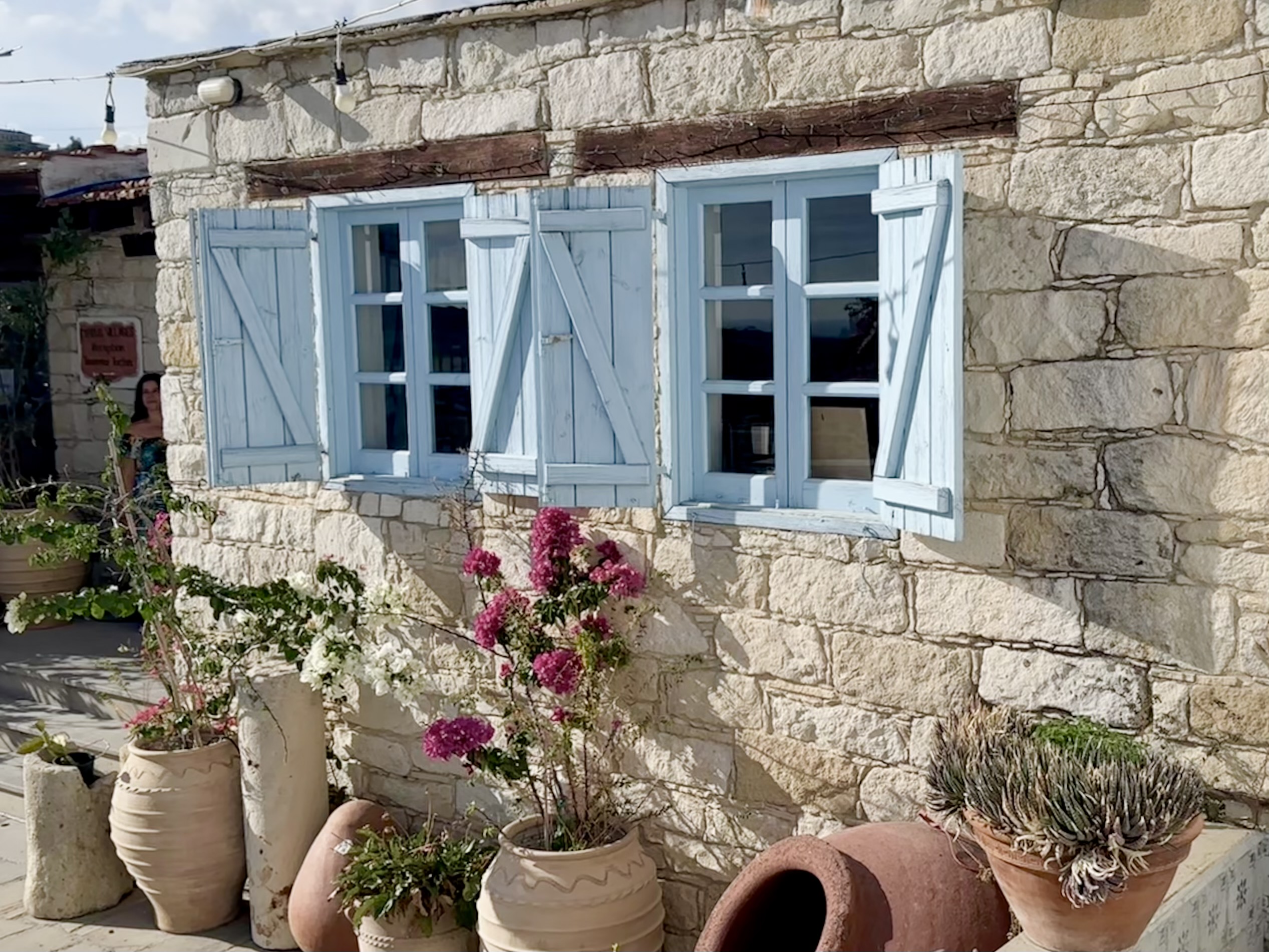
Different civilizations have occupied Cyprus throughout its human history – Greeks, Romans, Byzantines, Francs, Venetians, Ottomans, Brits. The resulting culture and cuisine is a rich tapestry best appreciated by venturing off the coast and out of the cities. Begin your agri-adventure by visiting the waters and gorges of the Akamas Peninsula; then explore rural villages where local flavors and timeless traditions remain alive.
SheBuysTravel Tip: The Heartland of Legends, developed by the Cyprus Deputy Ministry of Tourism, is an excellent starting point for learning about Cypriot folklore, crafts, crops and nature.
The writer was hosted.
The Wild and Wonderful Akamas Peninsula

The Akamas Peninsula occupies the northwestern tip of Cyprus. A day here begins in the turquoise Mediterranean Sea, includes a goddess moment and ends with a scenic gorge hike.
Blue Lagoon
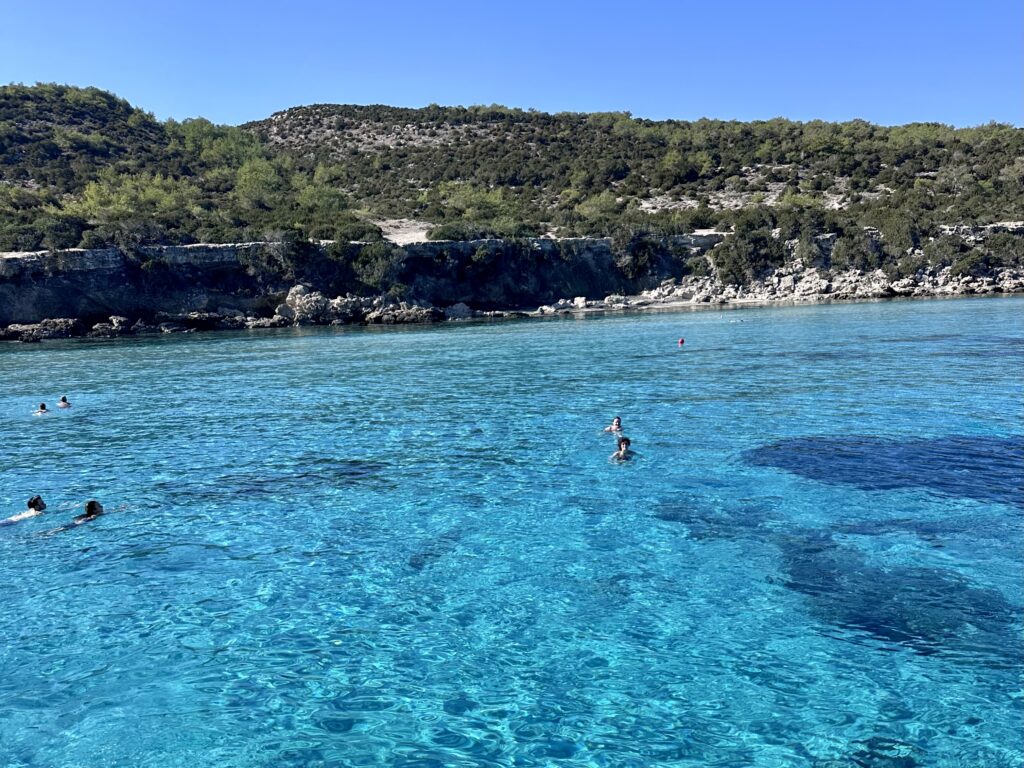
Charter boats take passengers to a crystal clear blue lagoon for an hour of swimming. The water, even in mid-November, was warm. When the Latchi Queen sounded its “all aboard” horn, there was a collective groan. Fortunately, the cocktail bar and ’80s dance hits made the cruise back almost as fun as the swim.
Are you ready to explore off the beaten path? Let us inspire you!
Baths of Aphrodite

According to mythology, Aphrodite, the legendary goddess of beauty, successively restored her virginity by bathing in a spring-fed grotto. A short hike leads to the small pool; swimming, however, is prohibited. Instead, renew yourself with the excellent house white wine and fish meze at The Baths of Aphrodite restaurant. Sit on the veranda for a stunning water view.
SheBuysTravel Tip: Drive by Aphrodite’s Rock on your way from Paphos to Limassol, or, if you believe legend, swim around it – naked – during a full moon to gain eternal beauty.
Gorge-ous Hike

Pulling into the gorge region on the Akamas brought to mind the surreal landscapes of America’s southwest. Our driver kindly deposited us at the top of a path so we could descend easily, through a stunning canyon, representing millions of years of geological time.
SheBuysTravel Tip: Looking for a flat path? Paved seaside promenades in Protaras, Paphos and Larnaca offer scenic trails, ideal for morning or evening runs/walks.
Farm to Table is the Cypriot Way of Life

Take a look at the Cyprus crop calendar to appreciate the bounty of this island nation. Expect Greek flavors enhanced with Middle Eastern spices. To find the dishes you like best, sample meze at several tavernas. Seemingly endless small plates begin with tzatziki, tahini, hummus, olives and pita; next up is salad and local grilled halloumi cheese; then meatballs, potatoes, sausage, chicken, pork kebabs, grilled fish. Meals end with fruit and sweet treats.
SheBuysTravel Tip: Feel free to douse everything with lemon juice and sprinkle liberally with oregano. It’s the Cypriot way.

A culinary demonstration helps you appreciate the love and attention lavished on food prep in Cyprus. At Tochni Tavern, the owner’s son, Nikitas Potamitis, and long-time employee, Eleni Constantinou, showed us how to roll and fill savory and sweet Cypriot ravioli. Next trip, I’ll definitely find a cheesemaking workshop to learn how to produce halloumi. The texture of this sheep and goat milk cheese is reminiscent of Wisconsin squeaky curds but the taste, especially when served grilled and drizzled with honey and pistachios, is incomparable.
The Sweet Stuff

Speaking of honey, Winnie the Pooh would be delighted to visit Cyprus. The huge breakfast buffets at the coastal beach resorts where I stayed all featured local varieties; some even had wedges of dripping honeycomb displayed.
I fulfilled a bucket list wish by donning a beekeeper suit at Ecophysis. Guided by co-founder Costas Stylianou, we toured the hives then watched a short film about colony life while sipping homemade iced tea and sampling different seasonal honey. I learned that the dedicated queen bee never leaves the hive after her initial mating flight, which gives her the ability to lay eggs for up to five years.
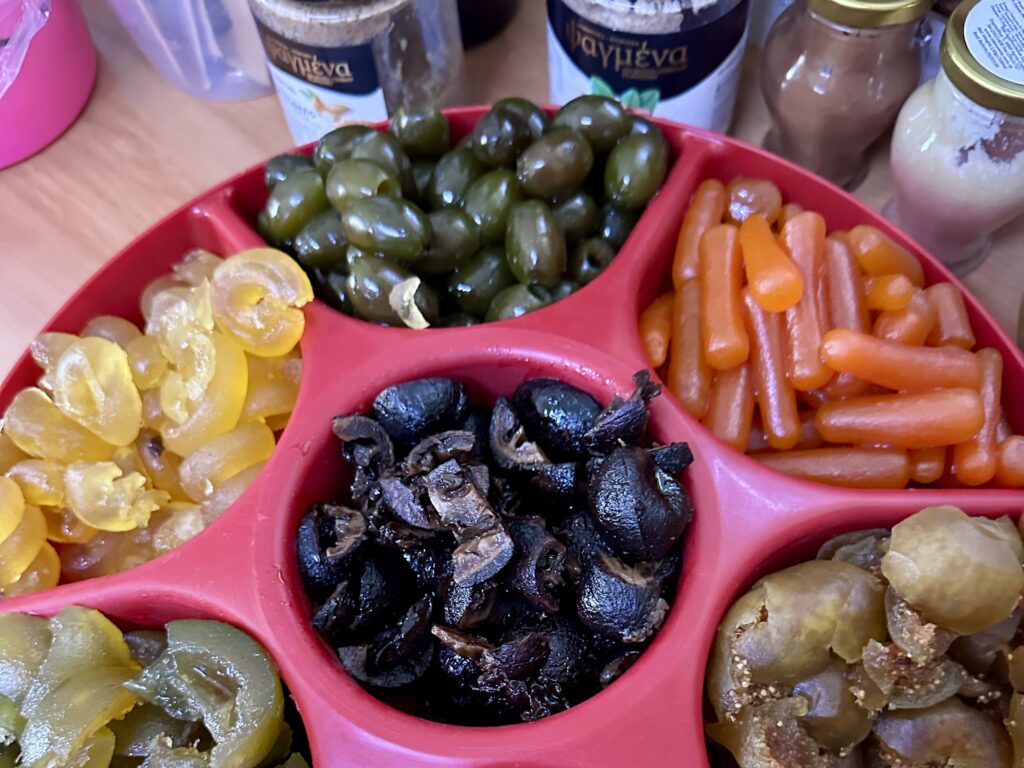
Another Cypriot sugary delight is spoon sweets. Vegetables, fruits and nuts are preserved in sugar and offered to guests as a symbol of hospitality. You can sample different varieties at Niki Sweets and tour the production facilities. The company started 40 years ago preserving family farm produce including walnuts, bitter orange and cherries. Today, the company’s 20 employees produce 250 tons of sugary goodies annually.
Niki is proud that the operation results in zero waste. Skins feed local farm animals; pits are sold for cosmetic and medicinal use; and what remains is valuable compost.
Wash it Down
Taverna meals in Cyprus are leisurely events, best enjoyed with carafes of house wine made from the two predominant grape varieties, Mavro (red) and Xynisteri (white). When I needed a break from the vino, I tried both of the widely available local beers, Keo and Carlsberg. Cyprus was the first foreign country permitted to brew the lager outside of Denmark.
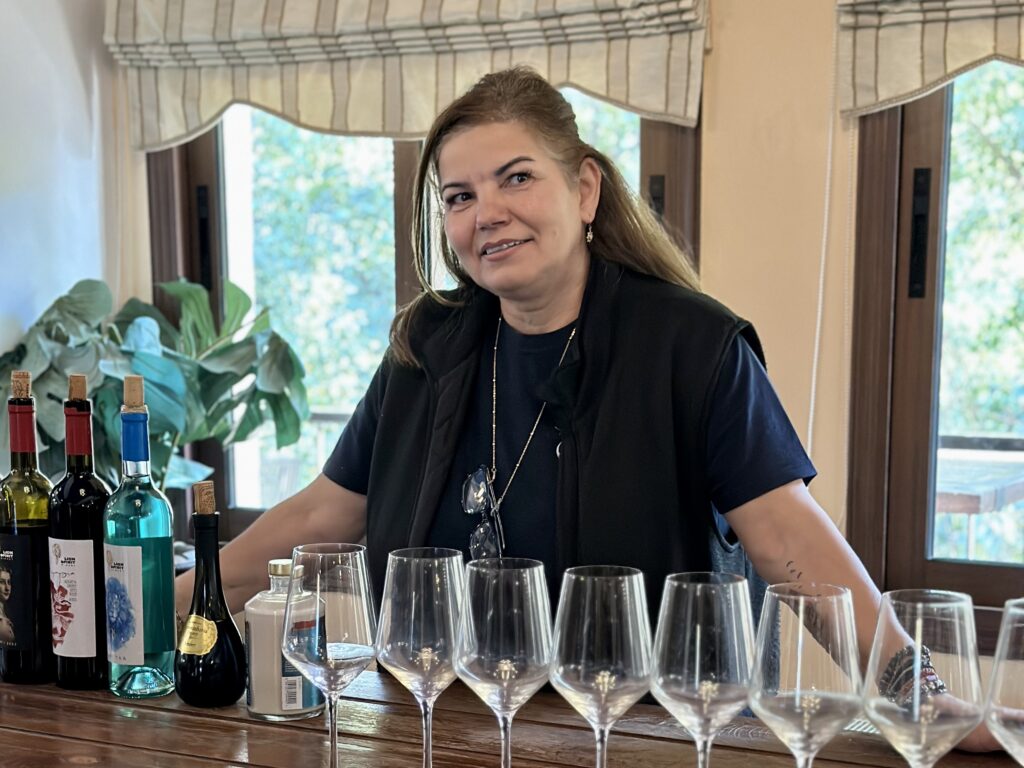
It’s hard to leave Cyprus without trying Commandaria, an aged dessert wine made from sun-dried grapes that is believed to be the oldest named wine in the world. It was one of the wines offered during a tasting flight at LionSpirit Winery and Distillery, along with their fruity, shockingly blue Azure King.
The Unofficial Cocktail of Cyprus

Brazil has the Caipirinha. Peru? The Pisco Sour. Cyprus’s cocktail claim to fame is the Brandy Sour. Panayiotis Savva, founder of Sunmoon Hospitality in Larnaca, prepped his lighter version of the drink as he told its creation myth. Egypt’s King Farouk enjoyed alcoholic libations but couldn’t be seen drinking in public. While staying at the Forest Park Hotel in Platres, bartenders developed the Cypriot Brandy Sour, composed of local brandy, lemonade, Angostura bitters and soda water, which visually resembles iced tea, but packs a wallop.
SheBuysTravel Tip: Want to sip sours seaside? Head to Isola, the Aiya Napa restaurant at Nissi Beach Resort.
Made by Hand

It’s known as Lefkara lace, but that’s misleading. The centuries-old linens created by generations of women are intricate cutwork embroidery, a skill learned during the Venetian period in Cyprus (1489-1570). In this traditional village surrounded by limestone hills in the heart of Cyprus, you can see a demonstration at Rouvis Lace and Silver.
There is no front and back to the finished products; the stitchwork is so neat that they’re reversible. Photos of da Vinci’s Last Supper hang on the walls at Rouvis and include highlighted areas that show Lefkara lace in the painting.
Also on display at Rouvis is delicate filigree silver jewelry, another local handicraft.
The Rose Factory

By hand. It’s how 70,000 damask roses are picked each day in May to produce rosewater at The Rose Factory. Established in 1948, the company is currently in the hands of sisters Andria and Elena, who represent the third generation of Tsolakis at the helm. In addition to rosewater for baking and delicately scented candles, the sisters produce an entire line of skin care and cosmetics.
Take a Waterfall Hike

Our guide repeatedly asked if we were up for the proposed 60-minute hike to the Caledonia Waterfalls. She noted it was classified with a difficulty of “2” based on the Cyprus rating scale of 1-3. We could expect some challenging terrain, including sudden elevation changes and narrow passages.
Challenge accepted. Although Cyprus is suffering through a multi-year drought, the waterfalls and streams were running, providing a rewarding way to create a caloric void I promptly filled with lunch at the Petit Palais in Pano Platres.
Read More:
- Where to Stay in Cyprus for Sea Views and Mediterranean Magic
- The Mediterranean Treasure Americans Haven’t Found — Yet
- Lessons learned from a Mother/Daughter Trip to Greece
- 2 Days in Athens, Greece: How to See the Highlights
- Viking Mediterranean Odyssey Cruise Review: 13 Days, 6 Countries and Too Many Memories to Count


Leave a Reply