

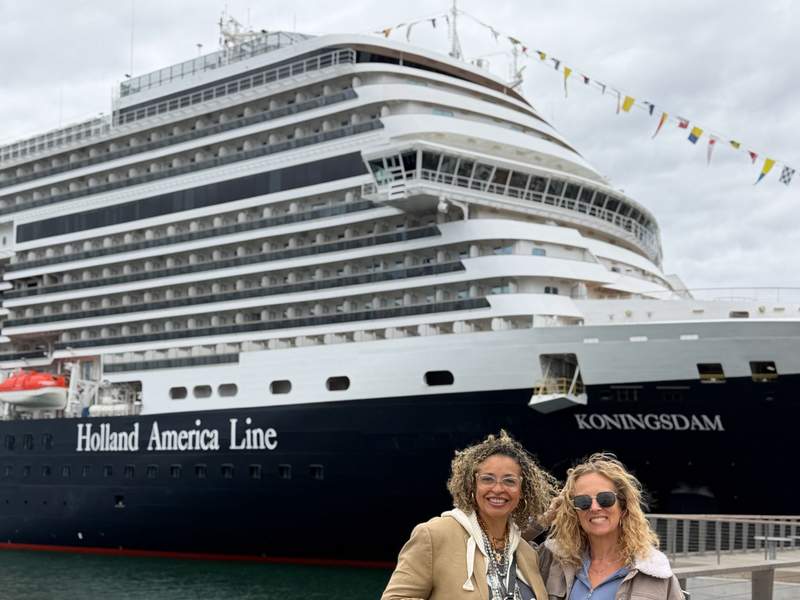
Packing is no one’s favorite part of a vacation. But packing right is critical, especially when you’re packing for a cruise. Here, a veteran cruiser shares what she’s learned about packing right over more than 20 cruises.
Highlights
- Boarding Day Strategy: You’ll learn what to pack in your roll-aboard so you’ll have what you need if your big suitcase doesn’t show up until well after dinner.
- Cabin Organization Hacks: The things you’ll want to pack to help you make the most of those tiny cabins.
- What to Leave at Home: Cruise companies are very strict about what you can and can’t bring on board.
Learn from My Packing Mistakes

My first cruise was on my honeymoon 25+ years ago. We had packed a big checked bag and handed it over to the porter at the cruise port in Athens, expecting it to show up in our cabin by the time we had finished lunch on the Lido deck.
Boy, were we wrong.
That was just the first of many cruise packing mistakes I made in my early years of cruising. These days, I’ve got the system down pat. Here are my recommendations for what to pack, how to pack and what to leave at home so you can start having fun the minute you step on board.
Before You Leave
This section is sponsored by Medjet.
Things happen on vacation. People get sick and they get hurt. Not often, but sometimes. That’s why I have been a Medjet member for years. Thankfully, I have never needed to use the travel evacuation benefits, but I am comforted to know that if I need it, our MedjetAssist membership will:
- Fly me to a hospital of my choice at home. Medjet arranges and pays for a fully-staffed air ambulance, if needed, or a business class seat on a commercial flight with a medical escort. And the company will coordinate with the receiving hospital and manage all of the paperwork, permits, and logistics.
- Monitor my medical condition and consult with my doctors. The service kicks in if I have been hospitalized as an inpatient, require continued hospitalization, and the doctors deem I am medically stable enough to travel.
- Bring my traveling companion along too. This happens if there is space on the air ambulance or economy seating on a commercial flight.
And, if the worst should happen, Medjet will coordinate the return of my mortal remains. It’s an incredibly complex process, so it’s best to have experts helping your family.
What to Wear to the Cruise Port

Layers are key for us since we tend to cruise in the winter. That means the temperatures are likely to be single digits when we board the plane in Chicago and in the 80s when we arrive in Florida. And I opt for clothing that I’ll be able to repurpose for the ship and cruise port days.
On the plane, I wear:
- Comfortable pants and a tank top
- Light sweater that goes with everything I pack so I can wear it on cool evenings and in overly air-conditioned restaurants
- Sneakers that I’ll wear again walking around the ports
- A lightweight, packable puffer jacket and colorful scarf that I can use as an accent piece on the ship
Embarkation Day Essentials
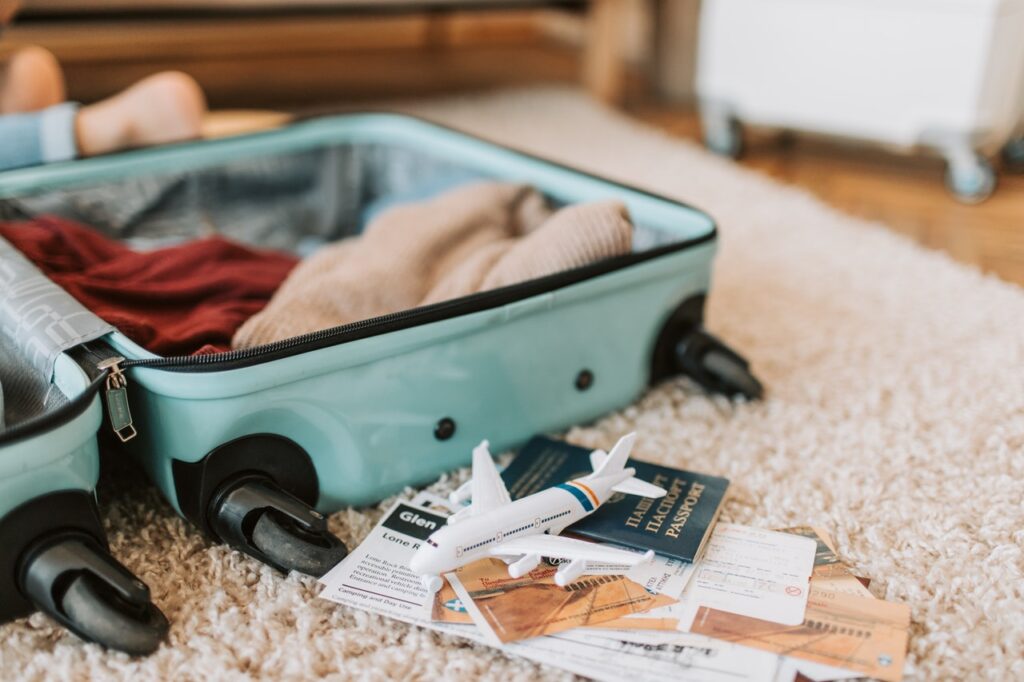
This is the secret veteran cruisers know: Your big packed suitcase may not arrive until late. If you don’t pack your carry-on right, you’ll be sweltering next to the pool while the veteran cruisers cool off in the water while sipping their first margarita.
Here’s what to pack in your embarkation day carry-on, backpack or beach tote:
- Travel Documents: Passports, government IDs, cruise boarding passes, health cards and travel insurance information. Yes, you can keep digital copies of most of that stuff, but I always pack paper copies, just in case.
- Medications: You definitely want to keep daily meds in case your suitcase doesn’t arrive until late. Or worse, not at all.
- Valuables: I don’t really take valuables when I travel, with the exception of the jewelry I wear regularly, but if you do, keep it with you.
- Pool Gear: Pack a swimsuit, cover-ups, flip-flops, reef-safe sunscreen, sunglasses and sun hat for everyone so you can change and jump in the pool to cool off.
- Portable Charger: Charge up your power bank and tuck it in your bag. It could be hours before you get to an outlet in your cabin.
2. Stateroom Organization Hacks

Cruise ship cabins are ingeniously designed to pack an incredible amount into a tiny space. But I find there are rarely enough hooks for everything I want to hang and the teeny bathroom shelves don’t hold nearly enough.
Bring these things to help expand the storage space in your cabin:
- Heavy-Duty Magnetic Hooks: Attach these to the metal cabin walls. They’re great for hanging wet swimsuits, sun hats, light daypacks and keycard lanyards.
- Hanging Pocket Organizer: Hang this inside the closet or bathroom to corral sunglasses, hair ties, flip-flops and sunscreen bottles.
- Magnetic Motion-Sensor Nightlight: This is the kinder, gentler way to light the way to the bathroom in the middle of the night; it lessens the need to ever turn on that bright light.
- Towel Bands or Clips: Ship decks can be quite windy and it’s tough to keep those beach towels in place on the deck loungers without a clip or a band.
3. Tech and Power Must-Haves
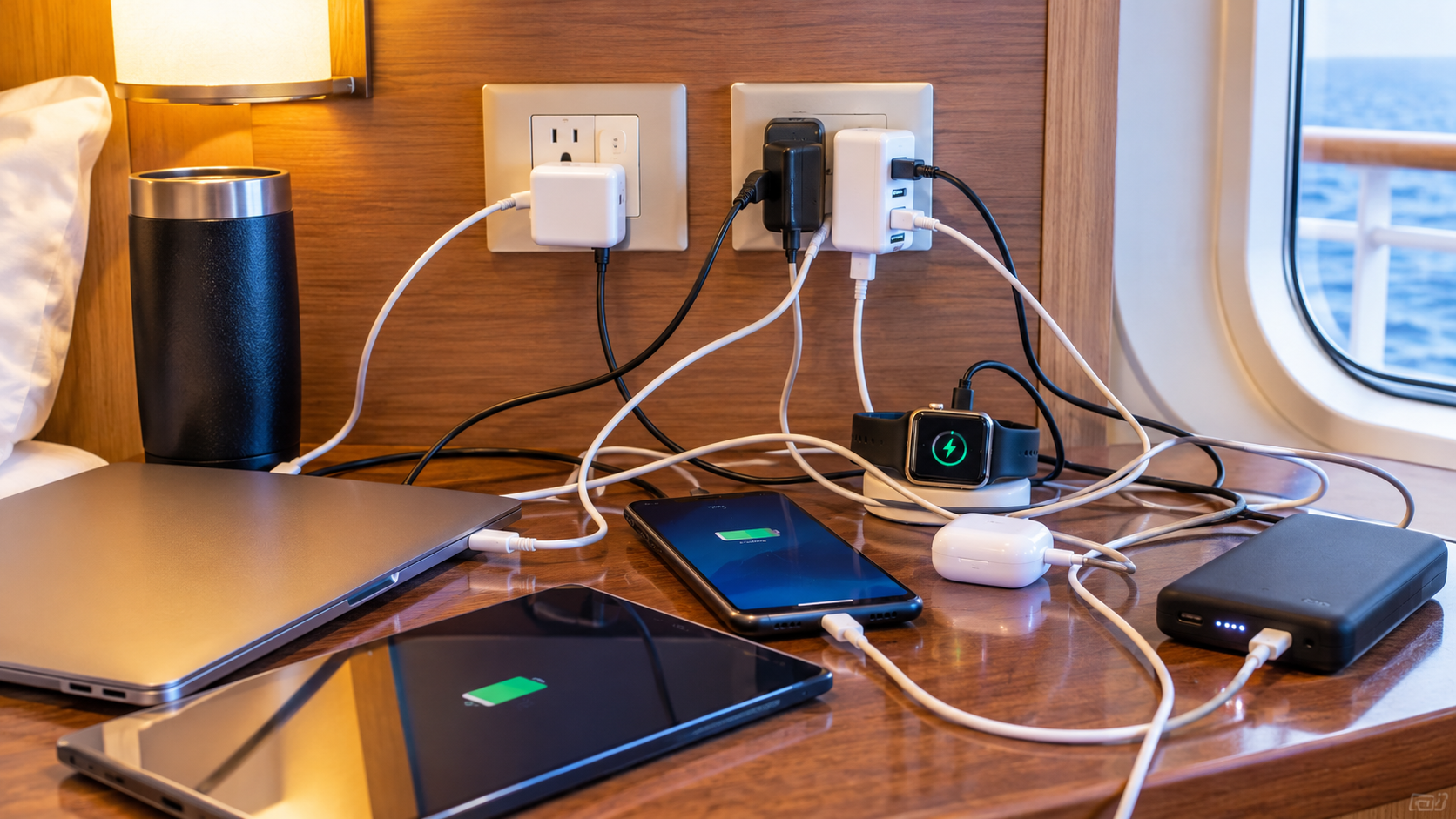
Between my husband and me, we need to plug in six devices at one time. That’s at least three more than most cruise ship cabins can accommodate. This is what I pack to keep us fully charged up:
- Cruise-Approved Non-Surge Power Hub: Cruise lines do not allow standard surge protector power strips like the one I use at home because of concerns that they will spark a fire.
- International Power Adapter: While most ships that cruise from US ports have US outlets, many also have international outlets. Bringing my power adapter gives me access to another set of outlets.
- Pre-Downloaded Entertainment: If you don’t plan to buy the ship wifi so the kids can stream a movie at night, load up the iPad before you embark. While live entertainment on ships is stunningly good, entertainment options on the ship’s TV tend to be rather lame.
- Lanyards or Wristbands for Cabin Access: I like operating hands-free and not needing to carry a keycard, so we opt for the wristband when we cruise on Princess. It’s especially important if you’re cruising with kids who have trouble keeping track of things.
- Luggage Trackers (AirTags / Tiles): I’m Team Carry-On so I have not done this, but our friends who are Team Pack Everything in Big Suitcases always drop one in each checked bag so they know where their stuff is when it’s not with them.
4. Cruise Clothing for Everyone: The Baseline Wardrobe
I’m always amused when I see couples walking to the port pushing two huge suitcases, two carry-ons and a tote — for a 7-day cruise. You really don’t need all of that! Chances are good you’ll spend your days in a bathing suit and cover-up and your evenings in a sundress and sandals.
Here are basics that will get you through a 7-day cruise:
Swimwear & Deck Essentials
- At Least 2 Swimsuits per Person: I HATE putting on a wet swimsuit, so I always pack at least two suits — one can be drying on the line in the bathroom while I wear the other.
- Swim Cover-Up: You’ll need that to walk from the pool to the buffet to get your next meal.
- UV Sun Shirts / Rash Guard: I always bring two of these as well.
- Sun Hat and UV Sunglasses: Opt for a wide-brim hat with a chin tie to keep it from blowing overboard.
2. Daytime Basics
- Tops (4–5 shirts): Lightweight, breathable T-shirts, polo shirts or sleeveless tops.
- Bottoms (3–4 pairs):
- 2–3 pairs of shorts or resort wear pants for port excursions and casual days on the ship.
- 1–2 lightweight skirts, cropped pants or casual chinos/jeans for sea days and cool-weather ports.
- Sundresses: This is my go-to. It works for casual meals and walking around ports and can be dressed up with a scarf or accessories for dinner.
- Undergarments and Pajamas: Pack one pair of underwear per day plus two backups, socks and comfortable, breathable pajamas.
3. Layers
- Light Cardigan, Hoodie or Fleece: I’m always chilled in restaurants and the theater, where ships crank up the A/C.
- Rain Jacket: A lightweight, waterproof shell works better than an umbrella for rainy port days and doubles as a windbreaker on deck.
4. Footwear
I live by the three-pair rule for traveling: Wear the heaviest pair (usually my sneakers) on the plane and pack a pair of sandals or flip-flops for the pool and a pair of dressier shoes for dinner. If I’ll be spending a lot of time on the beach, I pack a fourth pair of water shoes or Tevas.
Packing by Age: Toddlers to Teens
If you’re traveling with others, I HIGHLY recommend buying several sets of packing cubes in different colors so everyone can keep track of their own stuff.
Babies & Toddlers
- Inflatable “Ducky” Tub: Most standard cabins have tiny stand-up showers. A small inflatable tub can sit on the shower basin for easier evening bath times.
- Collapsible Umbrella Stroller: Cruise ship hallways are narrow and elevators fill fast; bring a compact, easily foldable stroller.
- Swim Diapers: Bring them for the splash pads, but know that littles using swim diapers will not be allowed in cruise ship pools because the diapers are not leak-proof.
Kids, Tweens and Teens
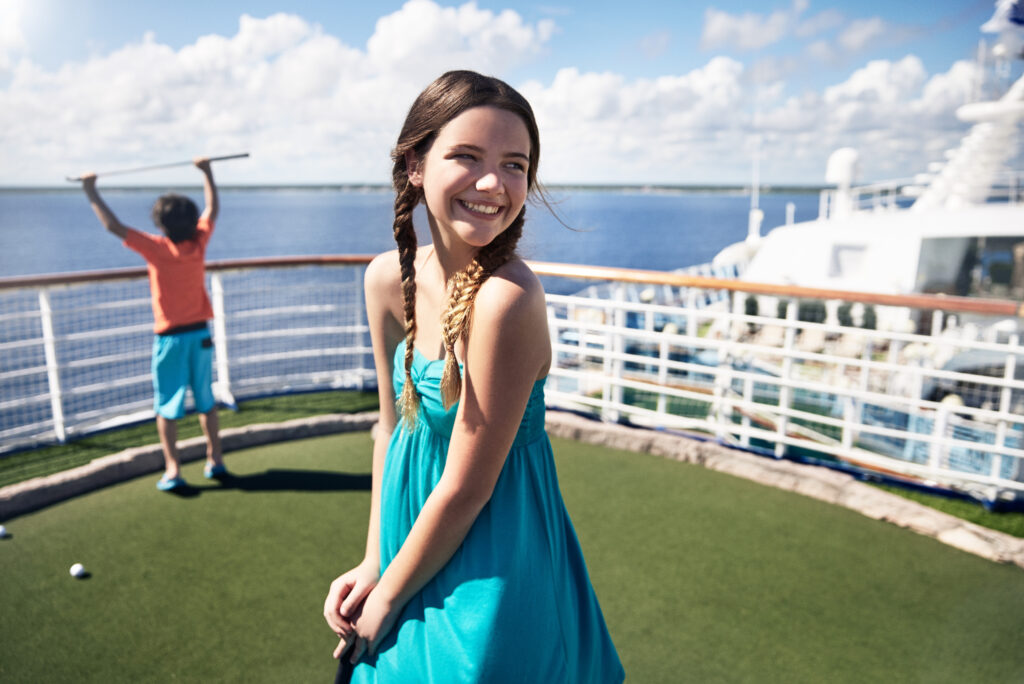
- Water Shoes and Snorkel Goggles: Crucial for rocky shorelines, coral excursions and private island splash parks.
- Waterproof Phone/Card Pouches: Keep room keys, cash and phones safe and dry
- Reusable Water Bottle: Bring insulated bottles that can be filled on the ship and keep the water cold throughout a port excursion or beach day.
Adults

Evening & Dining Wear
- Smart Casual Dinner Outfits (3–4 outfits): The days of dressing for dinner every night on a cruise are long gone, but most cruise ships expect diners to look nice. If you don’t want to put on a sundress or a collared shirt, you can always eat at the buffet, where a swim cover-up is acceptable dinner attire.
- Formal Night Attire (1–2 outfits): This is definitely not required and hubby and I don’t bring formal wear, but on formal nights, I always see couples dressed in their flashiest finest.
- Fancy Footwear: One pair of comfortable dress shoes or sandals
Daypack for Shore Excursions
- Crossbody / Anti-Theft Day Bag: It’s the safest way to secure your stuff when you’re walking around the cruise port and it keeps your hands free for shopping!
- Beach Tote: I keep a lightweight, washable bag in my suitcase and use to carry my things to the pool or to the beach.
- Cash in Small Denominations ($1–$5 bills): We always bring $200 in $10, $5 and $1 USD denominations for tipping on the ship and on shore. In Caribbean ports, US dollars are fine for tipping; in international ports, get some smaller bills in the local currency.
- Waterproof Phone/Card Pouches: Keep your phone, identification and keycard dry during catamaran cruises, snorkeling or rainy tenders.
- YETI Travel Mug: Mine has been around the world with me. It keeps my morning tea hot and my afternoon water cold. Just remember not to fill it directly from the buffet taps — fill a clean cup and pour it into your mug to avoid germs and contamination.
Adult Health & Personal Care
In addition to the standards — toothbrushes, toothpaste, moisturizers, shampoo, makeup and the other items you need each day — pack these for cruises:
- Scopolamine Patches or Dramamine: If you think you might get seasick, plan ahead and pack prescription patches or non-drowsy motion pills. They’re expensive if you have to buy them from the medical office on the ship.
- Anti-diarrheals and anti-constipation meds: You’ll want to be prepared for anything.
- Reef-Safe Sunscreen and After-Sun Care: Protect your skin from the high-intensity sun and protect the fragile ecosystem from chemical sunscreens.
- Bug Repellent: You’ll want it in buggy ports.
5. Cruise Packing List: Miscellaneous Handy Items
- Small sewing kit
- Small first aid kit
- Compact nail file kit
- Large Ziploc bags for wet clothes or souvenirs
- Mini packets of laundry detergent
- Laundry bag (optional)
What to Leave at Home (Skip the Confiscation Bin!)
Leave these things at home to save valuable luggage space and avoid embarrassing delays at the port security screening area:
- Clothes Irons and Steamers: Cruise lines consider these to be fire hazards. They will be confiscated, as my pal, Ami, learned on our last cruise.
- Surge-Protected Power Strips: Also considered a fire hazard.
- Beach Towels: Ships provide complimentary towels at the gangway on port days and on the pool deck.
- Expensive Fine Jewelry: Keep valuable, irreplaceable heirlooms safe at home.
- Kitchen Appliances & Heating Elements: Coffee makers, mug warmers and hot plates are strictly barred from cabins. And why would you need them? Cruises have food available virtually 24 hours a day!
Cruise Packing List for Alaska
Alaska cruises happen in the summer months, so it’s not as cold as you may think, although the early May and late September trips can be quite chilly. The key is to dress in layers and bring a warm, waterproof outer layer with a hood, a knit beanie hat, gloves and a warm scarf.
We have an entire post on what to pack for an Alaska cruise.
Frequently Asked Questions
You should pack essential travel documents (passports, IDs, boarding passes, health cards, insurance info), daily medications, any valuables, a loaded portable charger, and pool gear (swimsuits, cover-ups, flip-flops, reef-safe sunscreen, sunglasses and sun hats) so you can enjoy the ship before your checked luggage arrives.
Cruise lines strictly prohibit clothes irons, steamers, surge-protected power strips and heating elements/kitchen appliances (such as coffee makers, mug warmers and hot plates) because they are considered fire hazards.
You can maximize space by bringing heavy-duty magnetic hooks (for wet swimsuits, hats, or lanyards), a hanging pocket organizer for the closet or bathroom and a magnetic motion-sensor nightlight.

Leave a Reply