

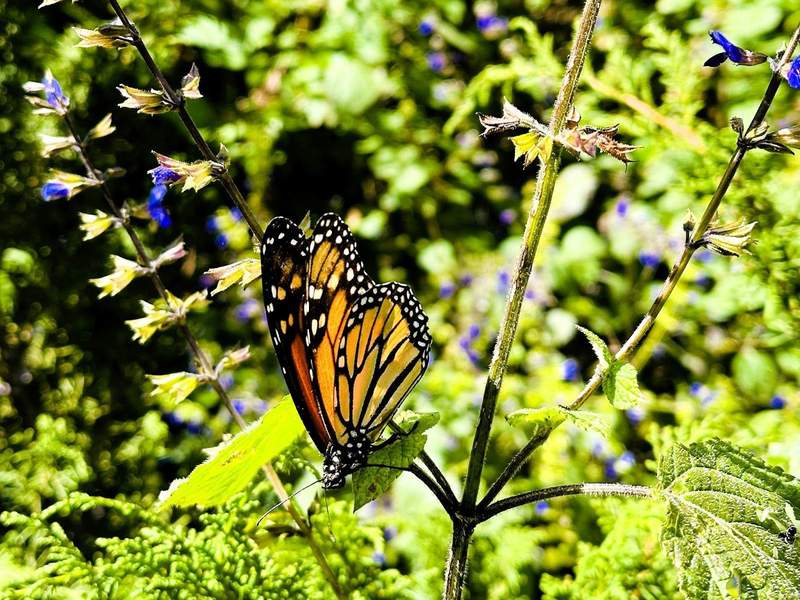
A journey from Austin, Texas to the volcanic mountains of central Mexico leads to an unforgettable encounter with millions of monarchs wintering in the Monarch Butterfly Biosphere Reserve.
Highlights:
- Ride horseback and hike high into the forest to witness vast clusters of butterflies in oyamel fir trees.
- Discover culture, cuisine and colonial beauty in Morelia, a UNESCO-recognized city.
- Combine wildlife adventure with artisan towns, regional foods and meaningful conservation travel.
Editor’s Note: The writer was partially hosted.
Every autumn, monarch butterflies drift through my backyard in Austin, Texas. Their luminous orange-and-black wings spurred me to trace their migratory trail to the volcanic mountains of central Mexico.
With two girlfriends, I gazed in awe at millions of butterflies clustering in trees in their winter home in the Monarch Butterfly Biosphere Reserve.
Our small-group journey with Camiba Cultural Tours paired a monarch encounter with time in Morelia and visits to artisan towns in the state of Michoacán.
Here’s how to experience one of nature’s most extraordinary spectacles.
Are you ready to explore more? Let us inspire you!
What Makes Monarchs So Remarkable
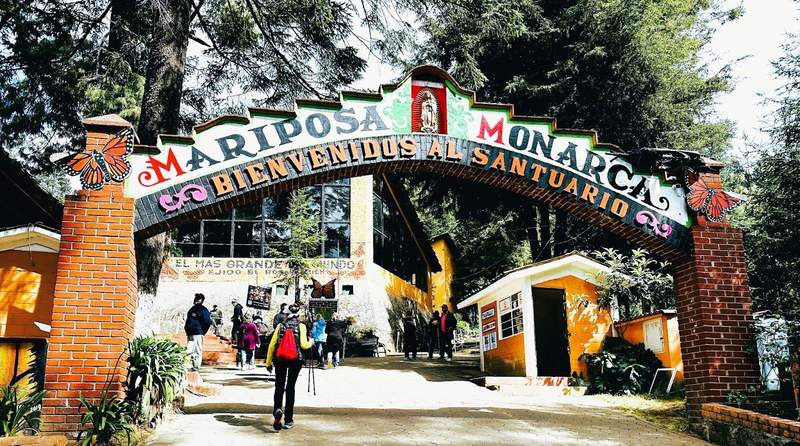
Monarch butterflies complete one of the most epic migrations in the natural world. Some travel as far as 3,000 miles across eastern North America to the Monarch Butterfly Biosphere Reserve, one of the only places on Earth where you can see millions of monarchs overwintering together.
- Multiple generations complete the journey.
- Millions cluster in oyamel fir trees in mountain forests.
- They rely on this stable microclimate to shield them in winter while they conserve energy for their long journey north.
Mexico established the reserve in 1985, and its ecological importance later earned international recognition from UNESCO.
SheBuysTravel Tip: If possible, include several visits to the reserve to ensure seeing butterflies in flight.
Who Will Love Visiting the Monarch Reserve
- Girlfriend groups seeking immersive experiences beyond typical tourist destinations.
- Nature lovers and wildlife photographers.
- Active travelers comfortable hiking at high altitudes.
- Travelers interested in conservation.
Visiting the reserve helps local communities safeguard monarch populations threatened by deforestation, global warming and pesticides.
You’ll also learn ways to help back home, like planting milkweed for migrating butterflies.
SheBuysTravel Tip: Be patient and take your time to adjust to high-mountain terrain.
My Journey Into the Monarch Reserve
Getting There
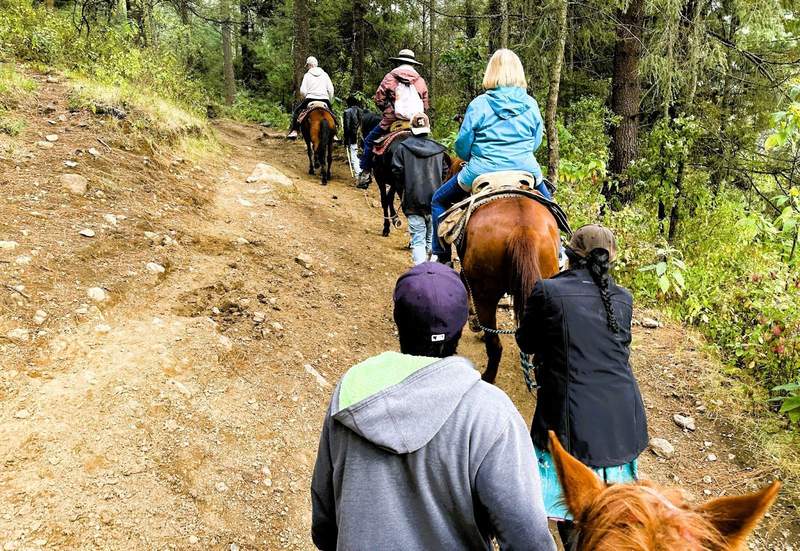
From Morelia, we drove for several hours on mountain roads past farmland and pine forests. The air felt cooler when we reached El Rosario, one of several community-run monarch sanctuaries.
Local guides paired us with sturdy horses for a 30-minute ride. (You can also hike.) Monarchs floated overhead in the partly cloudy sky as our horses clip-clopped up the steep trail.
We hiked on foot for another half hour in increasingly rugged terrain. Pausing to catch my breath, I saw myriad butterflies clinging to leaves or struggling to fly.
At the hillside viewing area, I collapse, tired but excited.
A Moment of Awe in the Forest
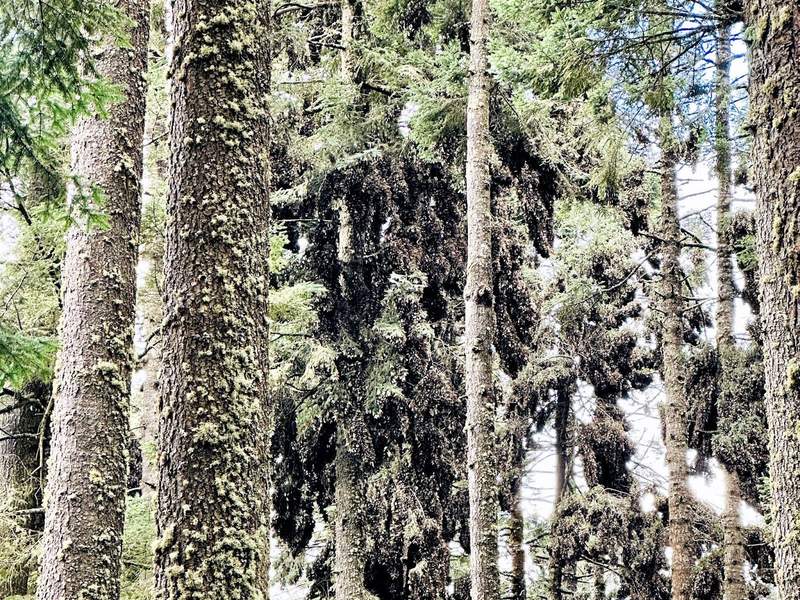
Peering into the fir trees, I glimpse dark shapes draped over branches. When my eyes adjust, I realize the clumps contain thousands of butterflies layered together like shingles.
Each monarch weighs less than a gram, yet their collective weight bends tree limbs.
Our tour guide, Rodolfo, urges us to listen. In the stillness, I hear the faint, papery whisper of wings.
As we wait attentively for the monarchs to take flight, Rodolfo explains that many Mexicans believe monarchs carry the souls of the departed, returning each year around Día de los Muertos.
Then the Hail Begins
A brisk wind suddenly sweeps through the trees. Rain falls, followed by stinging hail.
The monarchs remain tightly clustered in the trees. We scramble down the slippery, muddy trail as the storm rolls in.
We miss the dramatic mass flight. But witnessing the monarchs in their quiet winter home felt intimate and powerful.
Cold, soaked and smiling, we climb into the van.
SheBuysTravel Tip: Most butterflies live only a few weeks. The migratory “super generation” that reaches Mexico can live up to eight months, thanks to the dormant state they enter in the reserve.
Culture Beyond the Butterflies
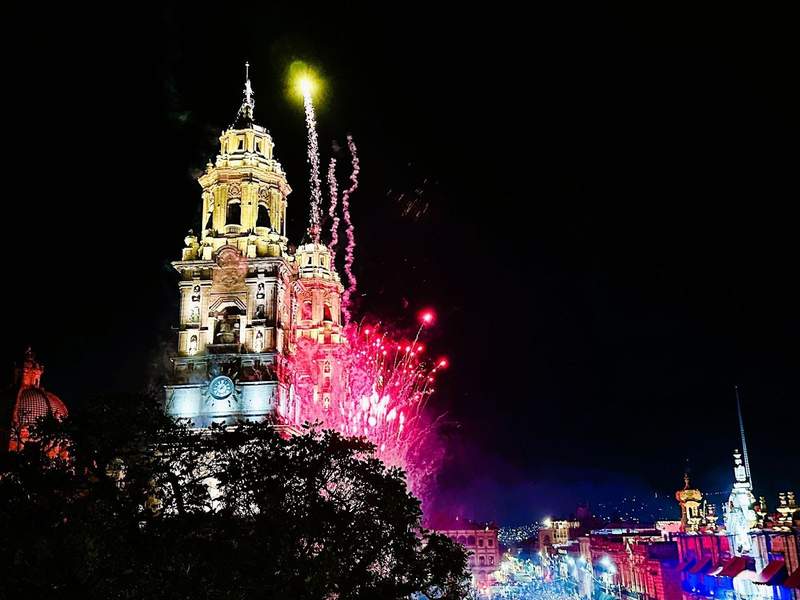
Exploring Morelia’s Historic Center
Our itinerary with Camiba Cultural Tours gave us several days to explore Morelia, the lively capital of Michoacán with 750,000 people. Its pink cantera-stone buildings earned the Old Town a UNESCO World Heritage Site designation in 1991.
Favorite Places:
- Morelia Cathedral. Twin baroque towers rise above the skyline, illuminated by fireworks on Saturday nights.
- Clavijero Cultural Center. A former Jesuit school with art exhibits and events.
- Old Town Plaza. Shady square features a handsome fountain and gazebo.
- Aqueduct. An architectural marvel with 253 arches stretching across the sky.
- Calle Real Candy Store. A confectionery with a museum tracing the city’s sweet history.
SheBuysTravel Tip: Visit on a weekend night to catch fireworks and live music in the plazas.
Visiting Michoacán’s Artisan Towns
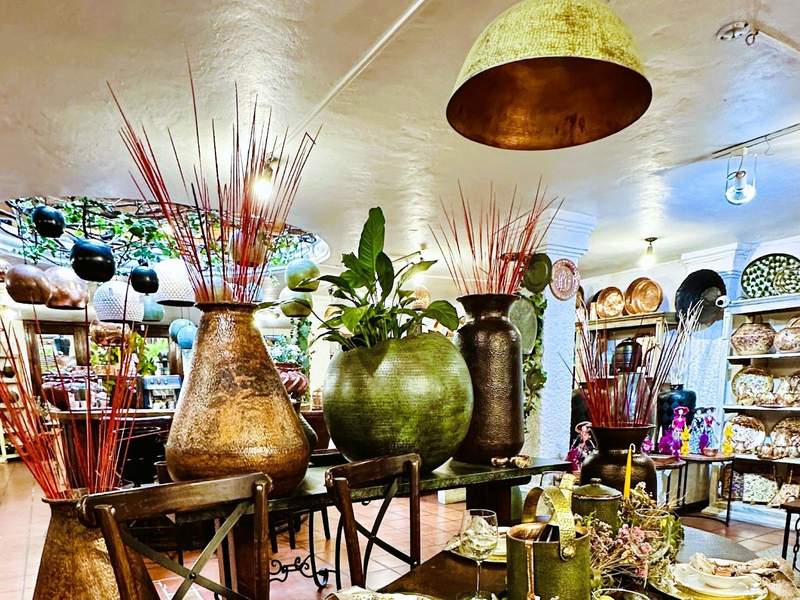
Traditional crafts thrive in Michoacán’s small artisan communities called Pueblos Mágicos, magical towns.
- Tlalpujahua. Known for handmade Christmas ornaments.
- El oro de Hidalgo. A former gold-mining town packed with artisan markets.
- Santa Clara del Cobre . Famous for its hammered copper crafts.
- Pátzcuaro: An ancient Purépecha cultural center with exquisite lacquerware.
SheBuysTravel Tip: Bring extra luggage for irresistible handwoven textiles, jewelry, pottery and copper treasures.
Where to Stay in Morelia
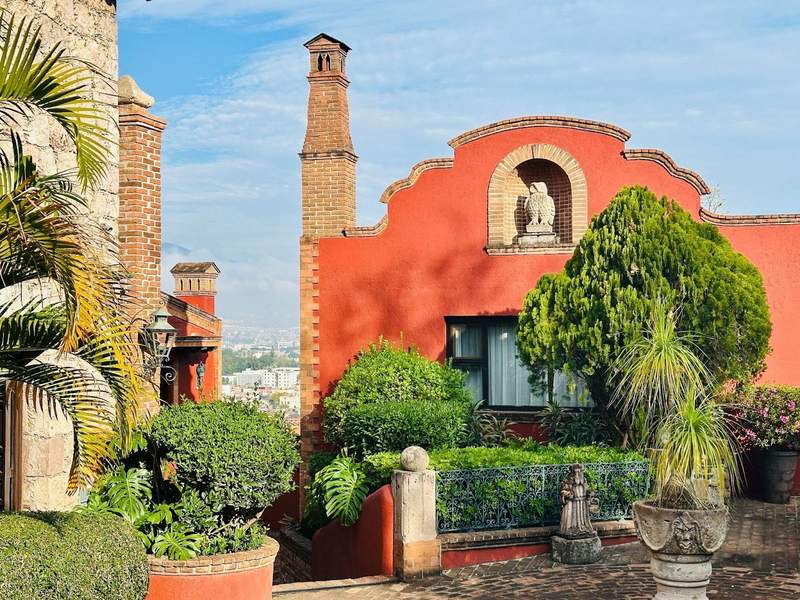
We stayed at Villa Montaña Hotel & Spa, a sprawling boutique hotel overlooking the city. Spacious suites feature hand-painted tile, woven textiles and fine art prints by Dalí and Frida Kahlo. Orchids and bougainvillea drape courtyards with stone statues of animals and religious figures.
More centrally located options include Los Juaninos and Hotel Mision Catedral Morelia, both near the cathedral.
What to Eat in Michoacán

Michoacán’s regional cuisine features tamales, tacos, spicy soups and plenty of guacamole – the state is Mexico’s top avocado grower. We sampled authentic street food and dined at several of Morelia’s fine-dining restaurants.
Must-try specialties:
- Carnitas, slow-cooked pork.
- Corundas, triangular tamales.
- Uchepos, fresh-corn tamales.
- Sopa tarasca, hearty bean soup.
My favorite restaurants: La Conspiración de 1809, San Miguelito and the restaurant at Villa Montaña.
SheBuysTravel Tip: Portions are generous. Plan to share dishes with friends and sample widely.
What to Pack for the Monarch Reserve
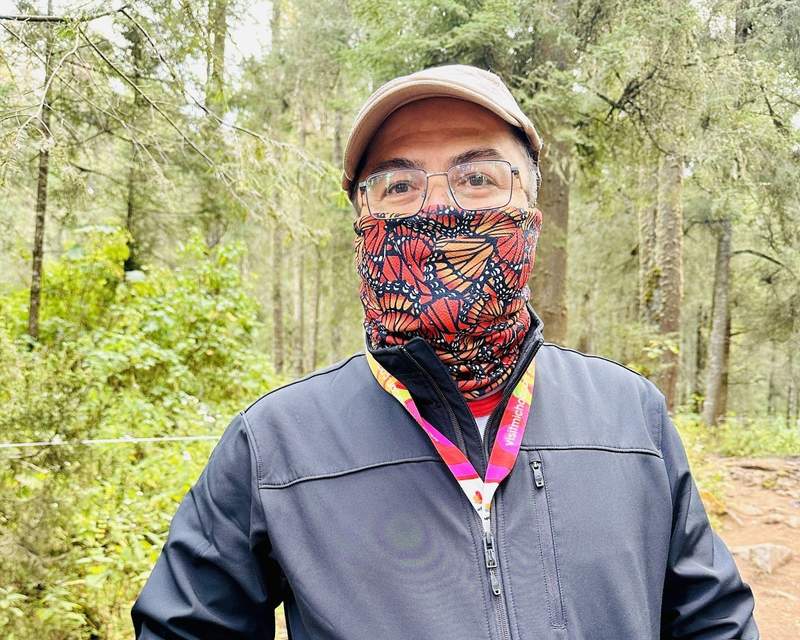
Mountain conditions change rapidly.
- Hiking shoes with traction; colorful clothes to attract butterflies.
- Walking sticks for steep terrain. I bought a bamboo stick at El Rosario.
- Rain jacket or hat.
- Camera with a long lens.
- Binoculars.
- Altitude medication if needed.
SheBuysTravel Tip: Take altitude medication and drink extra water the day before your visit. High elevation and uphill hiking can leave even fit travelers short of breath.
FAQ: Visiting the Monarch Butterfly Biosphere Reserve
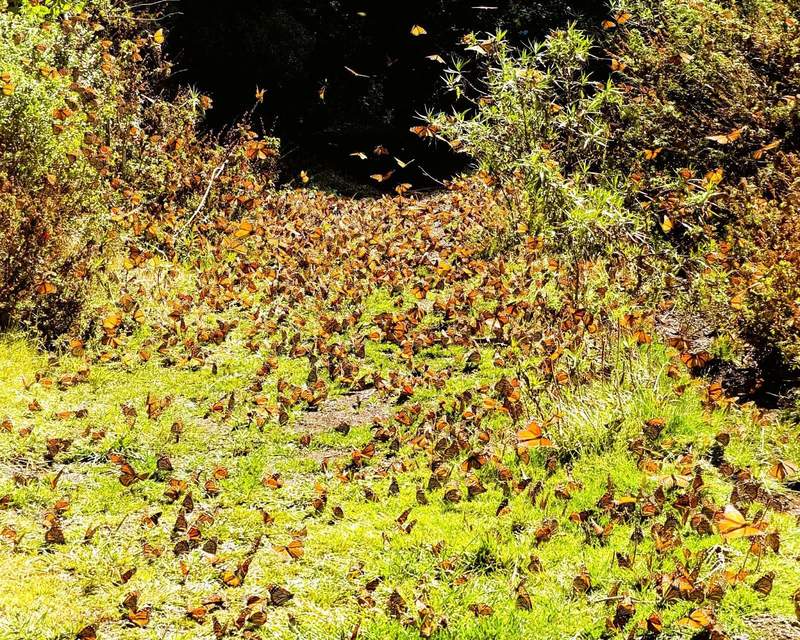
November through mid-March, with peak activity in January and February. Visit between 10 a.m. and 3 p.m., when sunshine warms the butterflies and triggers their flight from the trees.
Most visitors join guided tours from Morelia or Mexico City. Community-run sanctuaries such as El Rosario provide access to the reserve via hiking or optional horseback riding.
Butterfly sanctuaries and main tourist routes are generally considered safe when visited with licensed local guides. Use reputable tour operators, avoid night travel and check official travel advisories for Mexico before departure.
Elevations can reach up to 11,000 feet. You need to be moderately fit to hike 30 to 60 minutes on uneven terrain.
Responsible tourism supports local communities and protects the forest from logging so future generations of monarchs can continue their extraordinary flight to Mexico.
Read More:
- Loreto Bay, Mexico Girls’ Getaway: Baja Sailing in a Protected Marine Park
- Hyatt Ziva Puerto Vallarta Review – Luxury All-Inclusive on a Gorgeous Beach
- Unforgettable Things to Do in Puerto Vallarta, Mexico’s Pacific Paradise
- 16 Best All-Inclusive Resorts in Mexico for a Funtastic Family Fiesta


Leave a Reply