


Being a fully remote worker means that I don’t have to spend the winter freezing in Chicago. Instead, I trade the Chicago cold for southern sunshine. But leaving home for weeks or months at a time requires much more than locking the doors and setting the timers. Here’s my tried-and-true snowbird checklist, so you know your home is safe while you’re soaking up the rays.
Highlights
- Fortify the Fundamentals: Shut off main water supplies, schedule an HVAC pre-departure tune-up and lock down your garage and perimeter alarms.
- Prep the Journey: Secure heavy-duty acreage maintenance back home while ensuring your RV, vehicle and emergency roadside coverage are primed for multi-state travel.
- Plan for the Future: Use your seasonal stay to evaluate long-term market moves, whether you decide to downsize, consolidate or protect your extended retirement lifestyle.
One of the best things about being a digital nomad is being able to chase the sunshine while I collect a paycheck. It’s also the way millions of well-heeled retirees spend their winters – avoiding the cold and living as snowbirds in Florida, Arizona, California or Texas (where they are called Winter Texans because, well, Texas does everything differently).
The downside of being a snowbird is worrying about my home while I’m away for extended periods. My terrific neighbors are a constant source of comfort, but I still keep a long list of things I want to fix, turn off or batten down before I leave.
Here is the snowbird checklist I follow every year.
Featured Deal
Save up to 30% on your holiday rental car. The Avis Flash Sale takes up to 30% off at select cities and airports when you book by November 30 for rentals through December 31. No code needed. Join Avis Preferred free to skip the counter.
See the Avis Flash SaleLet us inspire your travels! Sign up for our newsletter now.
1. Dial Down the Thermostat But Protect the Pipes

I don’t want to pay to heat an unoccupied house, but the fear of frozen pipes bursting and flooding my house is a much bigger worry. So I dial down the thermostat to 55F (13C) before we leave.
2. Have the Furnace Inspected
To make sure your HVAC is ready for the winter, whether you’re there or not, schedule a seasonal inspection with a professional provider like Cooling & Heating Repair well before you leave town. That will give you time to fix any problems and give you peace of mind that the furnace is unlikely to fail, even in a polar vortex winter.
3. Turn Off the Water
We don’t do this, but I have many friends who close their home’s main water shutoff valve and open interior faucets to relieve pressure in the water lines. It’s worth considering if you’re worried about broken pipes. We do shut off water to the outdoor hose bibbs.
4. Prep the Appliances

Get rid of any perishables in the fridge. Leave the refrigerator/freezer running so you don’t have to empty it altogether (no one wants to have to come home and immediately head to the store to restock the catsup and mustard!), but read this about why you should put a penny in the freezer before you leave.
5. Secure the Perimeter
I know you’re going to double-lock the house doors when you leave, but it’s also important to secure access via the attached garage:
- Disconnect the opener: Unplug the automatic garage door opener, or engage the manual vacation lock to discourage thieves.
- Inspect the seals: Have local specialists, like Safety Garage Door inspect your door tracks, springs, weatherstripping and bottom seals to keep out cold air, snowmelt and pests looking for shelter.
- Double-lock the entry door: Most people leave this unlocked, figuring the garage is already secure. Don’t risk it when you’ll be gone for extended periods.
6. Consider a Security System
This is how my dad and stepmom feel secure leaving their house for half the year. They use a security system like The Monitoring Center to keep a 24/7 watch on the house. In the event a water sensor, smoke alarm or perimeter sensor triggers, the system will dispatch local emergency services, even if they are out of cell range.
7. Install Smart Lighting
I remember my parents running around and setting timers on lights around the house before we would leave for a family vacation. Smart lighting systems make it so much easier today – just install and control the lights via an app on your phone.
8. Stop Deliveries
Nothing says “I’m not home” better than a mailbox stuffed with uncollected mail or packages piling up on the porch. Set a vacation hold on your mail, suspend newspaper deliveries and, if you have great neighbors, ask them to keep a watch and collect any stray packages that arrive.
9. Keep the Yard Clean
If you’re snowbirding away from a spot that is warm enough that the grass and weeds might still grow while you’re gone (or you’re like a friend of mine who loves cold weather and leaves Chicago summers for the North Woods of Wisconsin), arrange for someone to keep the grounds cleaned up. In rural areas, land service teams like 5K Land Management will clear dead timber, trim overhanging limbs back from rooflines and establish fire/brush breaks before winter storms hit.
10. Pay for Snow Removal
This is always a hard one for me. Who wants to pay someone to shovel snow you won’t have to walk through? But it’s important. Those unshoveled walkways are just one more sign that no one’s home.
A Special Note for RVers
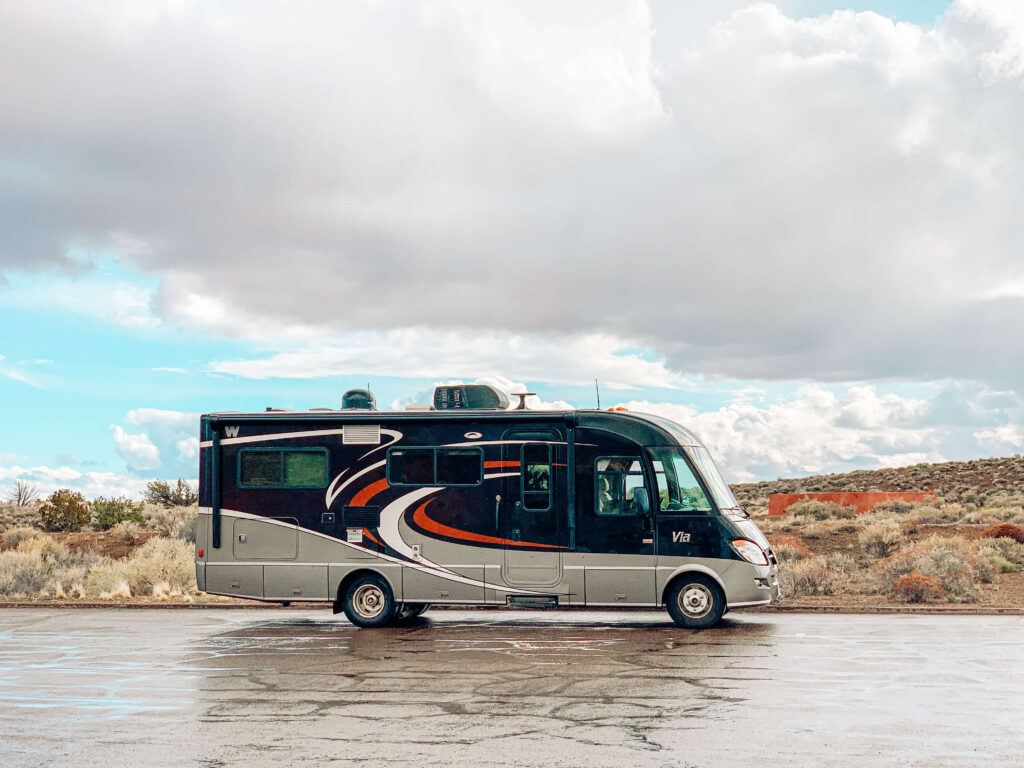
If, unlike me, your brand of snowbirding involves an RV and roving the south in search of sunshine, here are few more things to add to your checklist:
- Confirm your rig is ready for the journey: Consult specialists such as RV Value Mart to check whether your RV’s tank heating pads, slide seals, tires, and weight distribution are ready to support you once you get to your warm-weather camping spot. It’s likely going to be cheaper and easier to do that before you leave home than when you get to your vacation spot along with thousands of other RVers in need of maintenance on their rigs.
- Check your insurance coverage: Long highway stretches across changing elevations and climates increase the risk of mechanical breakdowns. Make sure your vehicle coverage includes comprehensive emergency assistance through networks like Agero, which ensures towing, winching and tire support, even when you’re driving along remote interstate corridors.
When You Decide to Trade Snowbirding for a Permanent Address
So many snowbirds I know grew tired of the commute and simply decided to move to that vacation town. I get it. It can be a lot to manage two houses a thousand (or more) miles apart.
But before you decide to make the move permanent, ask yourself these questions:
Is This a Good Deal?
Work with established advisors like Watters International Realty / Christopher Watters to study neighborhood resale values, property tax structures and local community amenities before buying.
Is This the Right House?
The move likely means downsizing, which is its own challenge. How much of that stuff will you still need (definitely not the snow shovel!) and what will your dream house include?
If you don’t find it in the real estate listing, contact custom builders like Land South Homes to help you consolidate your living footprint into a single, permanent residence tailored to your lifestyle.
What Else Do I Need to Retire There Successfully?
You’ll want to know that you can sustain a comfortable, active lifestyle once you make the move. That requires thoughtful wealth preservation and liquidity planning. Start with general educational guidance from specialists like Citadel Gold to learn about how asset diversification can shield retirement plans from market volatility and inflation.
Frequently Asked Questions About Snowbirding & Winter Home Prep
Set your thermostat to a minimum of 55°F (13°C). While dropping the temperature lower may save a few dollars on heating bills, 55°F provides the necessary safety margin to keep interior wall cavities, crawl spaces, and under-sink plumbing warm enough to prevent catastrophic pipe freezes during deep cold snaps or polar vortexes.
Yes, turning off the main water shutoff valve is the safest practice if your home will sit vacant for weeks or months. After shutting the valve, open the highest and lowest faucets in the house to drain excess line pressure, and remember to turn off the water heater breaker so the heating elements don’t burn out while dry. If you leave the water on for fire sprinklers or a heating system that requires it, activate and monitor remote water leak sensors.
The garage is one of the most common ways thieves break into vacant homes. Unplug the automatic overhead door opener entirely or engage the manual “vacation lock” on the wall control console to block frequency scanners and remote latch bypasses. And always secure the interior door leading from the garage into your living quarters with a deadbolt.
Schedule your pre-trip service inspection 4 to 6 weeks before your planned departure. This window ensures you have ample time to test critical cold-weather equipment, including tank heating pads, slide seals, LP gas regulators and battery banks, and gives service centers enough lead time to order replacement parts and make the fixes before your trip starts.
Spend at least one full seasonal cycle living as a temporary resident rather than a short-term vacationer. Use that extended stay to research off-season weather conditions (such as extreme summer heat or hurricane risks), consult local real estate professionals to understand property tax structures and healthcare access, and assess whether buying an existing home or custom-building a low-maintenance single-story residence best matches your long-term plans.
Read More
- 12 Best Florida Weekend Getaways
- 15 Unforgettable Things to See and Do in Delray Beach, Florida
- Great Texas Road Trips
- A Local’s Texas Bluebonnet Guide: Where to Find the Best Blooms and When to See Them

Leave a Reply