

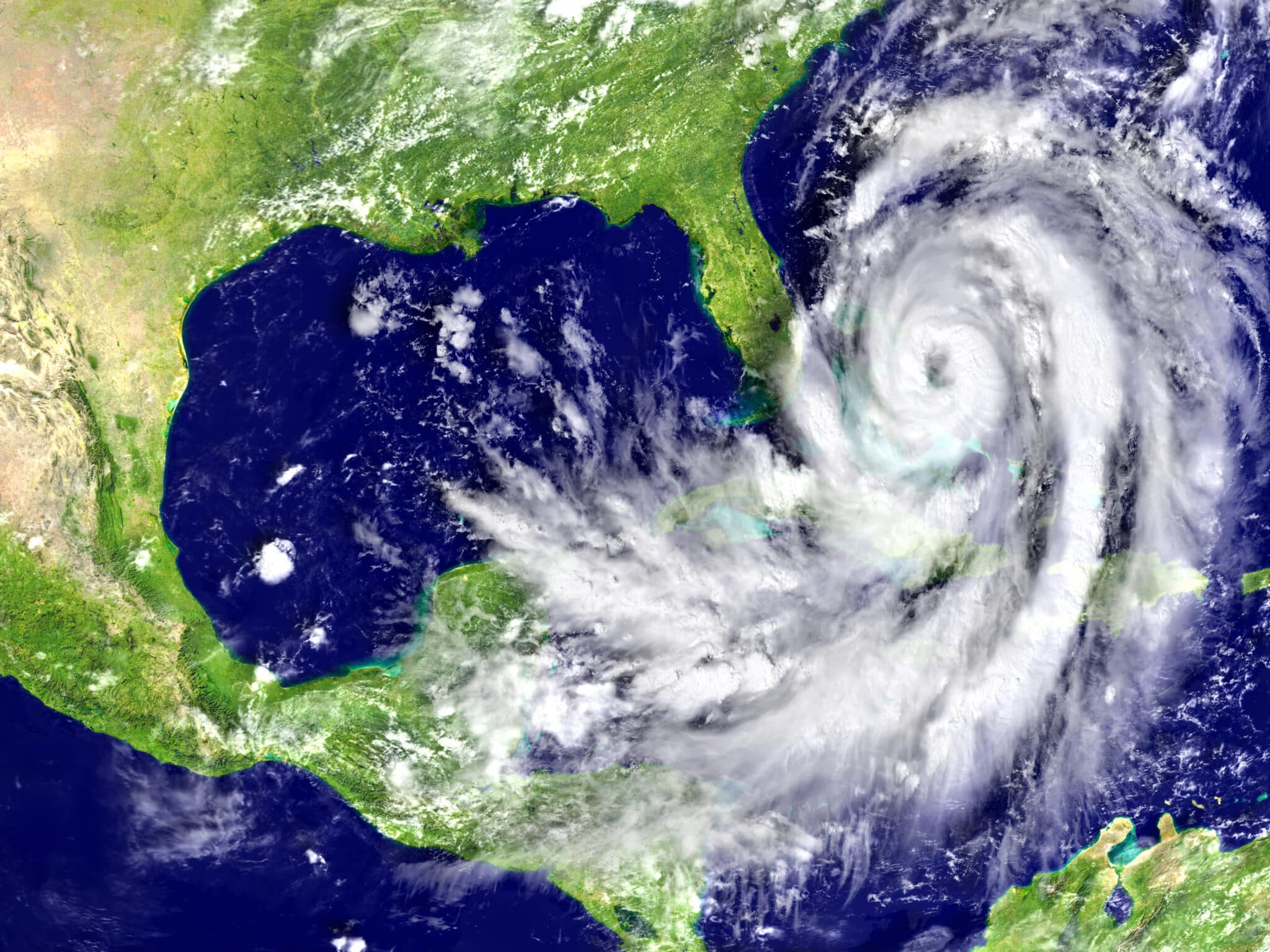
Prepare your family for hurricane season with this comprehensive evacuation guide. From securing pet-friendly lodging and engaging kids to navigating special needs registries for seniors, we provide expert-backed strategies and state-specific resources. Stay ahead of the storm with verified tips on what to pack, where to go, and common myths to avoid.
- Comprehensive Family Checklists: Tailored advice for kids (the “ID arm hack”), seniors (mobility registries), and pets (lodging resources like BringFido).
- Verified State Resources: A complete directory of emergency management agencies and 2-1-1 services for every coastal state, including Hawaii, Puerto Rico, and the USVI.
- Myth-Busting Safety Tips: Critical “What Not To Do” warnings based on NOAA and FEMA guidelines.
- Post-Storm Recovery & Mental Health: Actionable steps for returning home safely and professional resources for supporting children through disaster-related trauma.
- Traveler & Tourist Support: Specific exit strategies for those caught in a storm away from home, including flight logistics and rental car advice.
- Insurance & Tech Hacks: Essential info on the 30-day flood insurance rule, EV safety in floods, and generator placement to prevent CO poisoning.
My family and I are considering moving to the coast, but the increasing threat of severe weather has us hesitant. I put this ultimate hurricane guide together for us, and share it for everyone who lives in or travels to these hurricane zones, in the hope that it keeps you safe.
Join our Travel Tribe! Sign up for our newsletter now!
Essential Preparation
Success in a crisis is built on the work you do while the skies are still clear. This phase focuses on the logistical foundation every household needs to move quickly when an order is issued.
- Know Your Zone: Evacuation orders are often issued by “Zone.” Find yours through your local emergency management office or state portal (e.g., Florida Disaster Zones).
- The Go-Kit: FEMA recommends a 3-day supply of food and water as a minimum, though 7 days is safer for major storms.
- Source: Ready.gov Build A Kit
- Document Protection: Store essentials in a waterproof “Go-Bag.”
Kids & Junior Navigators
Children often feel powerless during natural disasters. By giving them specific roles and tools for comfort, you can turn a frightening experience into a manageable family mission.
- Engagement: Involving children in preparedness reduces disaster-related stress and anxiety.
- Source: Ready.gov Kids
- Comfort Items: The Red Cross emphasizes the importance of “comfort items” (stuffed animals/blankets) to provide a sense of security in shelters.
- Source: Red Cross: Helping Kids Cope
Pet Safety & Lodging
Pets are part of the family, but they require specialized gear and legal planning to ensure they are accepted at your destination. Never leave them behind; if it isn’t safe for you, it isn’t safe for them.
- Evacuation Policy: Never leave pets behind; if it isn’t safe for you, it isn’t safe for them.
- Source: ASPCA Disaster Preparedness
- Pet-Friendly Lodging: Use resources like BringFido to find hotels that waive breed/size restrictions during emergencies.
Seniors & Low-Mobility Support
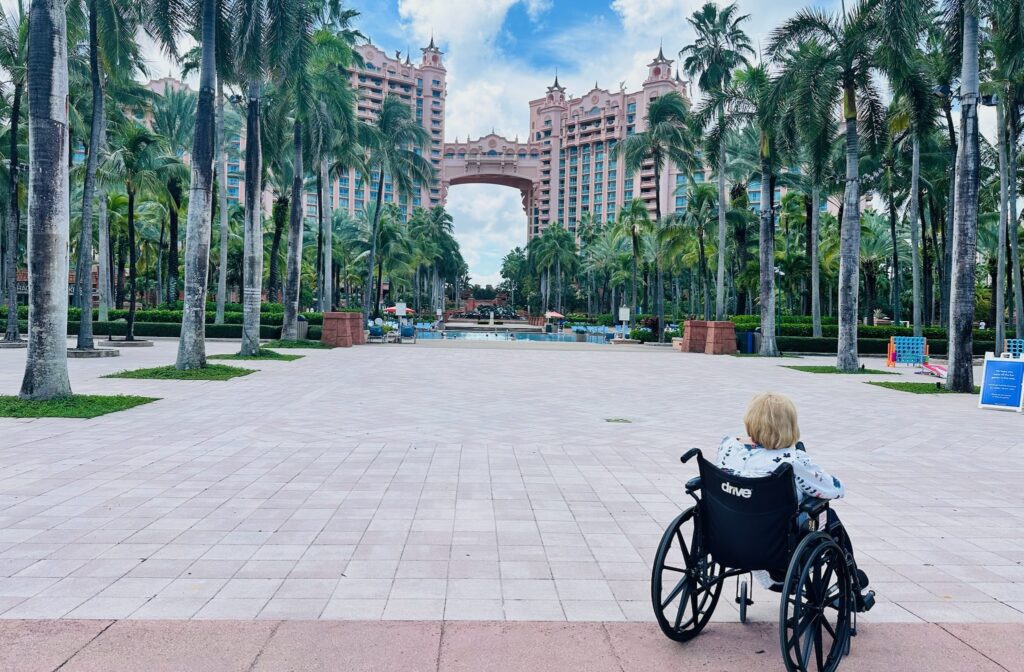
For those with medical dependencies or limited mobility, the “last minute” is too late. This phase emphasizes early registration and specialized medical logistics to ensure a safe transition.
- Special Needs Registries: Most states provide a registry for those requiring assistance with transportation or electricity-dependent medical equipment.
- Source: Texas STEAR Program | Florida SNR
- Medical Backups: The FDA provides specific guidelines for maintaining medical devices and oxygen during power outages.
Tips for Travelers & Tourists
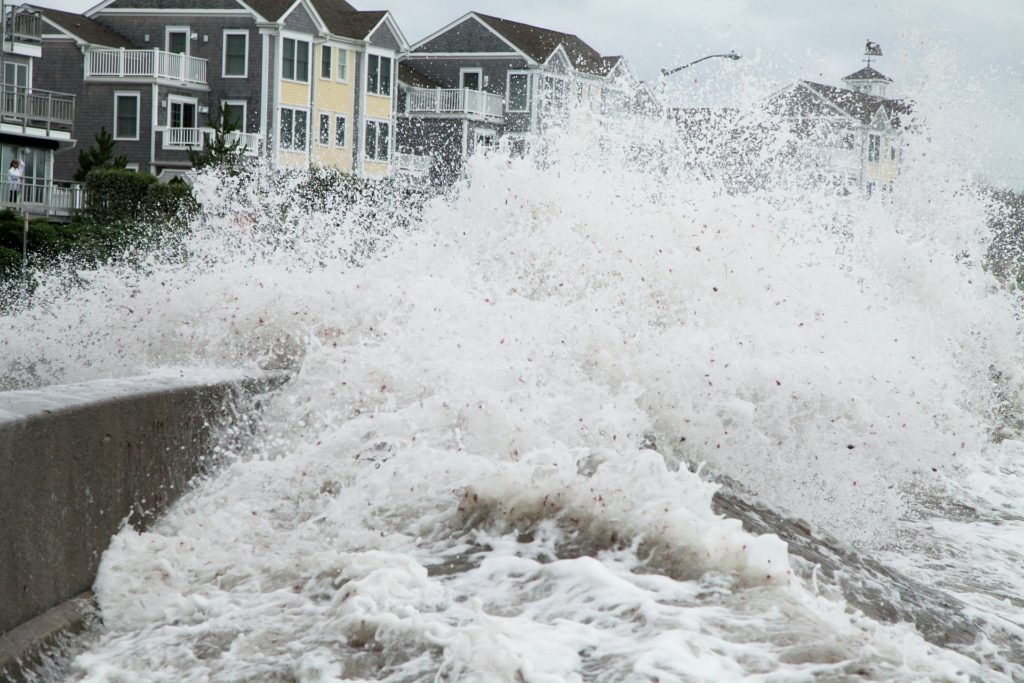
Being caught in a storm away from home adds a layer of complexity. You are navigating unfamiliar geography and relying on commercial infrastructure for your exit.
- Monitor the “Airport Ripple Effect”: Don’t wait for your flight to be canceled. Once a Hurricane Watch is issued, airports often begin tapering operations. If you intend to fly out, move your flight to at least 48 hours beforethe projected landfall.
- Source: FAA – Flight Delay Information
- Talk to Hotel Management: Hotels have internal emergency procedures and often have backup generators. Ask for their “Hurricane Plan” and find out if they have an on-site shelter-in-place location if the roads become impassable.
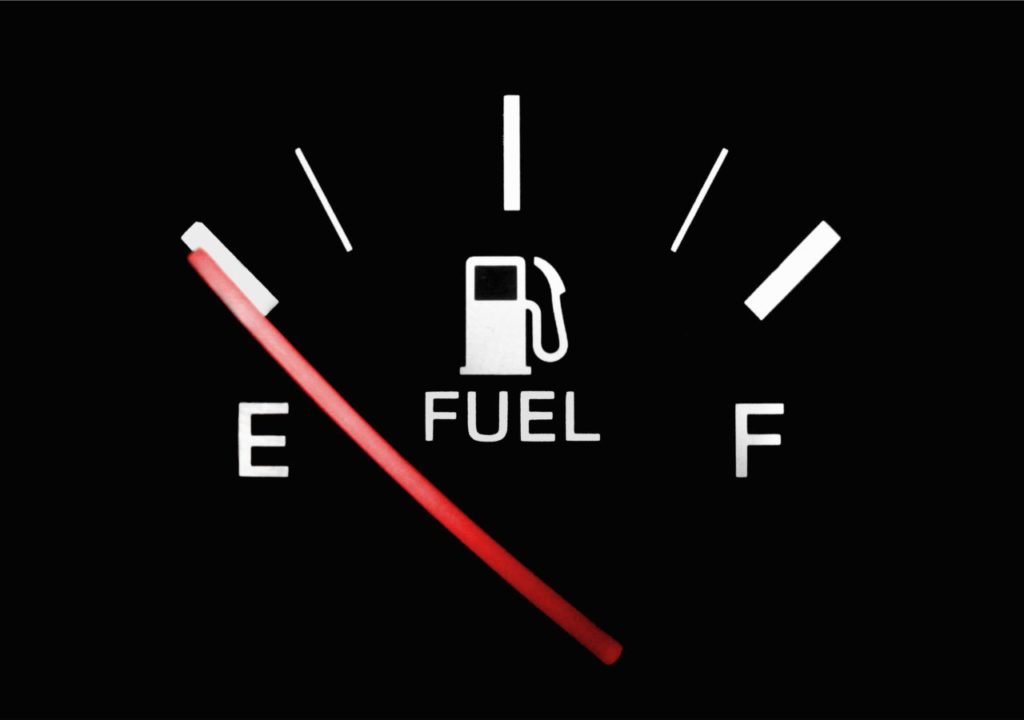
- The Rental Car Factor: If you have a rental car, fuel it up immediately. Rental agencies may be overwhelmed or closed during an evacuation. If you are abandoning a rental car at the airport, take photos of the fuel gauge and the car’s condition for your records.
- Check Your Travel Insurance: Most policies only cover “Named Storms” if the policy was purchased before the storm was officially named by the National Hurricane Center.
After the Storm: Recovery & Emotional Safety

The storm ends when the winds die down, but the recovery process is just beginning. This phase addresses the physical dangers of returning home and the psychological support needed for long-term healing.
Physical Safety First
Before focusing on the interior, ensure the exterior is safe.
- Beware of “Hidden” Dangers: Watch for downed power lines, unstable trees, and displaced wildlife (snakes/alligators) that may have sought shelter in your home.
- Avoid Standing Water: Floodwater can contain sewage, chemicals, and “stray voltage” from underground or downed lines.
- Photo Documentation: Before you move a single piece of debris, take photos and videos of all damage for your insurance adjuster.
Supporting Traumatized Kids & Teens
Disasters can shatter a child’s sense of “predictability.” You may notice regressive behavior (bedwetting), irritability, or clinginess.
- Limit Media Exposure: Turn off the news. Constant loops of storm damage can re-traumatize children, making them feel like the event is still happening.
- The “Helper” Role: Give children small, age-appropriate tasks in the recovery process. Feeling helpful restores their sense of agency.
- Stick to Routines: Even in a shelter or a damaged home, try to keep bedtimes and mealtimes at the same hour. Consistency is the antidote to anxiety.
- Source: Save the Children – Post-Disaster Tips
Managing Adult Stress & Trauma
Post-Traumatic Stress Disorder (PTSD) and “Survivor’s Guilt” are real.
- Acknowledge the Loss: It is okay to mourn the loss of sentimental items or the “old” state of your home.
- Check on Neighbors: Social connection is one of the fastest ways to build community resilience.
Help for Travelers
- Consular Services: If you are an international traveler, contact your country’s consulate or embassy for assistance with emergency travel documents if yours were lost or damaged.
- Re-Booking Logistics: After a major storm, airlines may prioritize humanitarian flights or “repatriation” flights for residents. Be prepared to stay put for several days post-landfall.
Vital Mental Health Resources
If you or a loved one are struggling with hopelessness, sleep loss, or extreme anxiety, reach out to these verified services:
| Resource | Service Provided | Contact Info |
| Disaster Distress Helpline | 24/7, 365-day-a-year crisis counseling for those experiencing emotional distress related to natural disasters. | Call or Text 1-800-985-5990 |
| SAMHSA | Behavioral health treatment services locator. | SAMHSA.gov |
| Crisis Text Line | Free, 24/7 support for those in any type of crisis. | Text HOME to 741741 |
| 988 Suicide & Crisis Lifeline | Immediate support for those in severe emotional distress. | Dial 988 |
SheBuysTravel Tip: “Self-care” during a recovery isn’t a luxury; it’s a necessity. You cannot effectively clean a house or care for a family if you are running on empty. Take breaks, drink water, and ask for help.
Resources by Coastal State & Territory
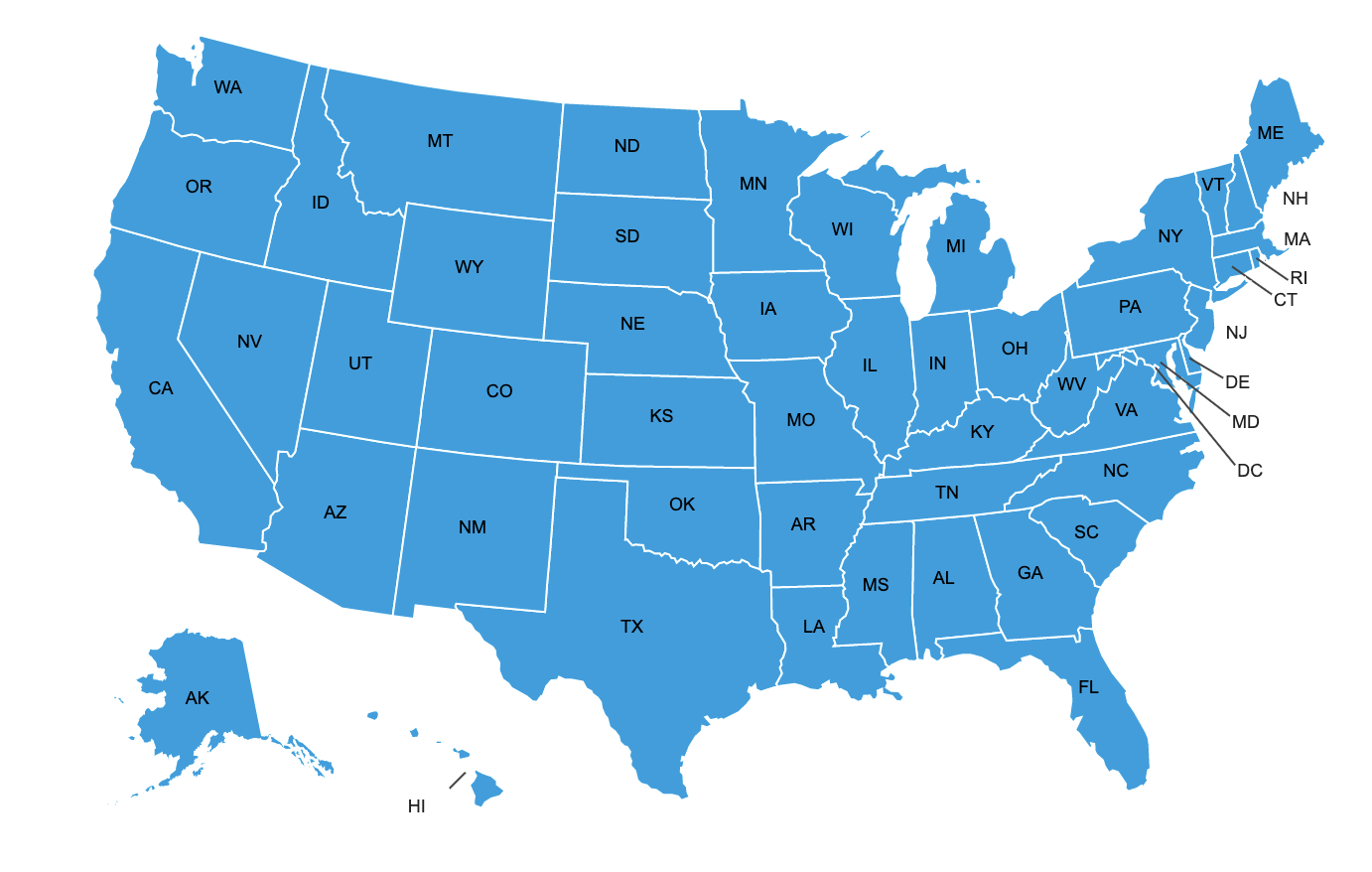
Direct links to official emergency portals for every coastal region.
SheBuysTravel Tip: Most states use 2-1-1 as a universal number for disaster resources.
- Alabama: Alabama EMA
- California: Cal OES
- Connecticut: CT DEMHS
- Delaware: Delaware DEMA
- Florida: Florida Disaster
- Georgia: Georgia GEMA
- Hawaii: Hawaii HI-EMA
- Louisiana: Louisiana GOHSEP
- Maine: Maine MEMA
- Maryland: Maryland MEMA
- Massachusetts: Massachusetts MEMA
- Mississippi: Mississippi MEMA
- New Hampshire: Ready NH
- New Jersey: NJ Ready
- New York: NY DHSES
- North Carolina: Ready NC
- Oregon: Oregon OEM
- Puerto Rico: Manejo de Emergencias
- Rhode Island: RIEMA
- South Carolina: SCEMD
- Texas: Texas TDEM
- US Virgin Islands: VITEMA
- Virginia: VA Emergency
- Washington: WA EMD
SheBuysTravel Tip: Always ensure you are on a .gov or .org website when looking for disaster instructions to avoid misinformation.
The “Don’ts” (Common Myths)
Disaster myths can be as dangerous as the storm itself. Avoiding these common misconceptions can prevent structural damage to your home and life-threatening medical emergencies.
- DON’T Tape Windows: Tape does not strengthen glass; it creates large, dangerous shards.
- Source: NOAA/NHC FAQ
- DON’T Run Generators Indoors: Generator exhaust contains Carbon Monoxide. Keep them 20 feet away from windows.
- Source: CPSC Generator Safety
- DON’T Drive Through Water: “Turn Around, Don’t Drown.” 12 inches of rushing water can carry away most cars.
- Source: National Weather Service (NWS)
Frequently Asked Questions (FAQ)
What is the difference between a Hurricane Watch and a Hurricane Warning?
- Hurricane Watch: Conditions are possible within 48 hours. This is your signal to fuel up, check your kit, and review your plan.
- Hurricane Warning: Conditions are expected within 36 hours. Complete your preparations and evacuate immediately if ordered.
- Source: National Weather Service (NWS)
Does my standard homeowners insurance cover flood damage? No. This is a common and costly misconception. Standard policies cover wind damage, but Flood Insurance is a separate policy usually handled through the National Flood Insurance Program (NFIP). Most flood policies have a 30-day waiting period, so you cannot buy them as the storm is approaching.
- Source: FEMA – Flood Insurance
When should I officially evacuate for a hurricane? You should evacuate as soon as a Mandatory Evacuation is ordered for your zone. If you have “access or functional needs,” require extra time to move, or have many pets, leave during the Voluntary Evacuation phase to avoid traffic gridlock.
Do hotels have to accept pets during a hurricane evacuation? The PETS Act of 2006 requires governments to include pets in public shelter plans, but it does not force private hotels to accept them. However, many chains waive fees during emergencies. Use BringFido to find participating locations.
Should I leave my windows cracked to “equalize pressure”? No. This is a myth. Cracking a window allows high-velocity wind into your home, which can create enough internal pressure to lift the roof off the structure. Keep everything tightly sealed.
Is it safe to use a portable generator on a balcony or in an open garage? Never. Generators produce deadly Carbon Monoxide (CO). They must be at least 20 feet away from any structure. A balcony is too close to windows and doors, and a garage—even with the door open—traps fumes.
- Source: CDC – Generator Safety
Can I drive an Electric Vehicle (EV) through floodwaters? No. Submerging an EV battery in saltwater can cause a short circuit leading to “thermal runaway” (fire). If you aren’t evacuating in your EV, park it on high ground and do not leave it plugged into a charger.

Leave a Reply