

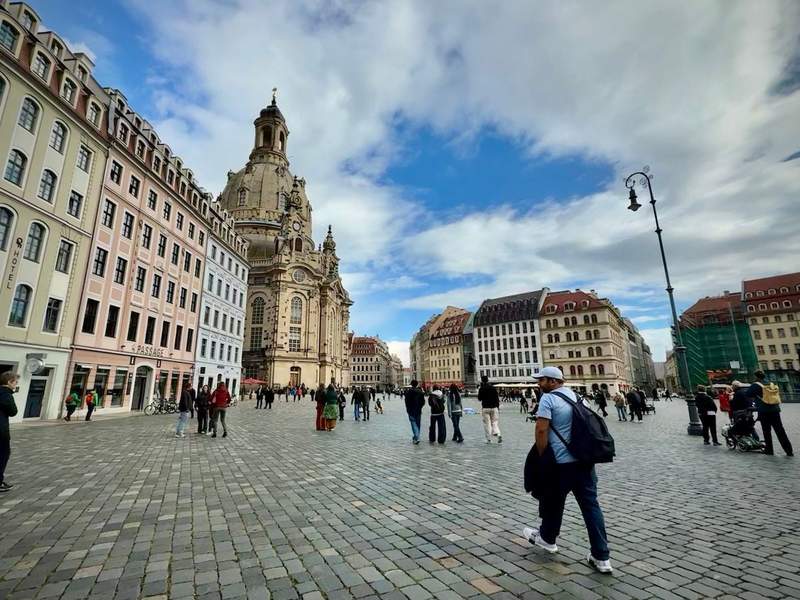
Solo travel in Dresden started with a jolt. Less than two hours after leaving Berlin by train, I stood among grand Baroque buildings while my guide held up an iPad showing the same city in rubble. Over two nights on my own, I toured royal treasures and the Semperoper, then tried porcelain painting in Meissen.
Highlights
- Dresden’s story in stone at the Frauenkirche, where dark original stones still sit among the newer pale sandstone
- Royal Palace treasures and a Semperoper tour, including a stage clock that tells time in 5-minute jumps
- A car-free day trip to Meissen, where I watched porcelain painters at work, picked up a brush myself and ate lunch off Meissen porcelain
Editor’s Note: This writer was hosted.
Let us inspire your travels! Sign up for our newsletter now.
Getting From Berlin to Dresden by Train
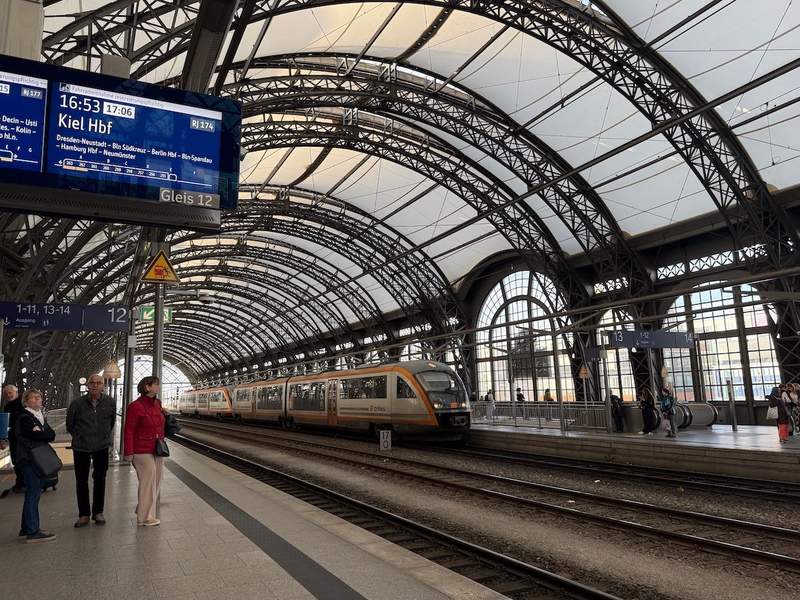
My train from Berlin to Dresden took about an hour and 40 minutes. Arriving with no rental car to collect or unfamiliar highways to navigate made this an easy extension of my Berlin trip.
- Much of Dresden’s historic center is manageable on foot.
- Trams and buses make longer trips around Dresden straightforward.
- Meissen is connected to Dresden by the S1 suburban train, making it an easy day trip.
- Check schedules for your travel dates, because journey times can vary.
SheBuysTravel Tip: Pack a suitcase you can lift and manage yourself. Stairs and platform changes are much easier when you aren’t wrestling with heavy luggage.
Where To Stay in Dresden: Gewandhaus Dresden
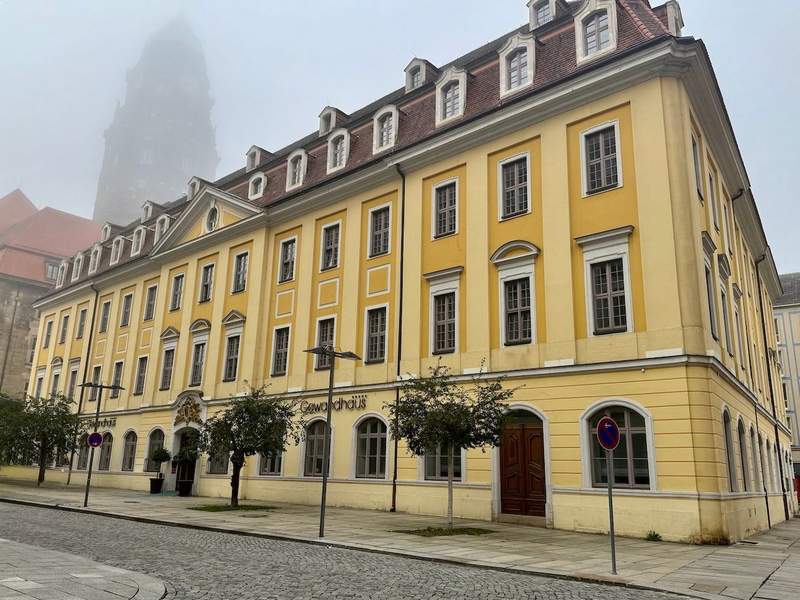
Property: Gewandhaus Dresden, Autograph Collection | Address: Ringstrasse 1, 01067 Dresden | Phone: +49 351 49490 | Hours: 24-hour front desk; check-in 3 p.m., checkout noon
My home for two nights was the Gewandhaus Dresden, Autograph Collection, within walking distance of Dresden’s historic center. As a solo traveler, that location mattered. I could walk back from the Old Town without arranging a taxi, and the 24-hour front desk gave me added reassurance when I returned in the evening.
The building’s history is part of its appeal. Its name, Gewandhaus, comes from the German word for clothing, a reminder of its origins in Dresden’s cloth trade. Over the centuries, the building served several purposes, including a period as the Dresden Bank.
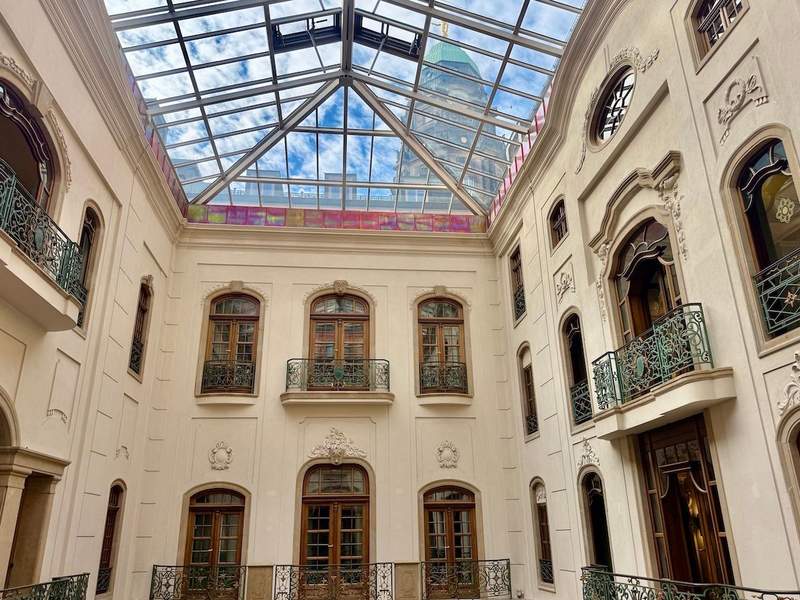
Today, one of its most unexpected features is underground. The indoor pool occupies the area where the bank once kept its large safe, and I could still see the old vault door. A sauna and steam room are tucked nearby.
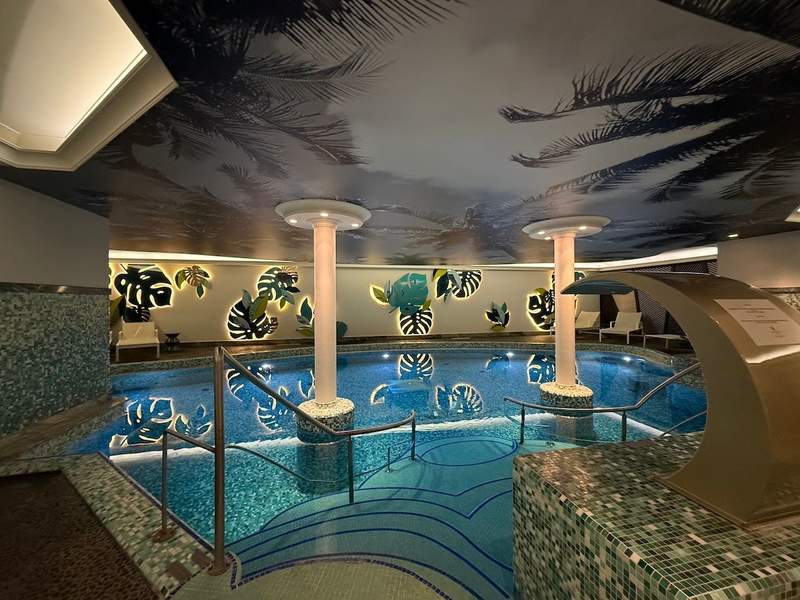
I hadn’t packed a swimsuit. After seeing the pool, I wished I had.
One of my favorite dining discoveries was right around the corner from the Gewandhaus. I hadn’t expected an Asian restaurant to be one of my most memorable meals in Dresden, but IKI Restaurant surprised me. The Asian-fusion menu was delicious, the prices felt reasonable and after a full day of sightseeing, I especially appreciated being able to walk there from my hotel.
The main Striezelmarkt is just around the corner during Dresden’s Christmas market season, and several other holiday markets are within walking distance. For a short solo stay, the central location made it easy to return to the hotel for a break between sightseeing stops.
SheBuysTravel Tip: With only two or three nights in Dresden, staying in or near the Old Town gives you more time to explore.
Dresden: A City That Rose From the Rubble
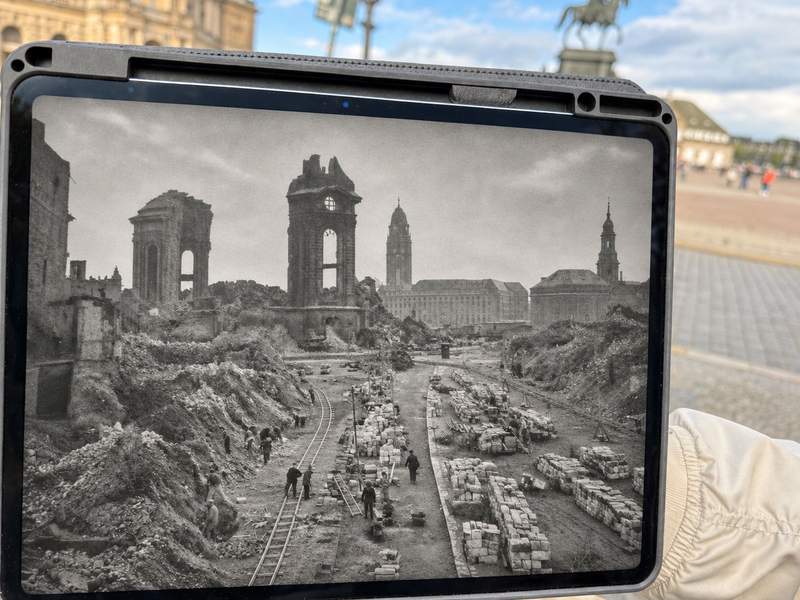
My guided walking tour gave me the context I needed to understand Dresden. During the Allied bombing raids of February 1945, much of its historic center was destroyed.
Standing among restored churches and grand facades, I struggled to picture that devastation. Then my guide held up an iPad showing a historic photograph: roofless walls, exposed windows and heaps of rubble.
“Oh my gosh,” I said. “That is shocking.”
Looking from the screen to the city around me, I began to appreciate what rebuilding Dresden had required. The architecture was beautiful, but knowing its history gave me a reason to look more closely.
Visit the Frauenkirche
Attraction: Frauenkirche Dresden | Address: An der Frauenkirche, 01067 Dresden | Phone: +49 351 656 06 100 | Hours: Open Church Monday to Friday, 10 to 11:30 a.m. and 1 to 5:30 p.m.; weekend hours vary
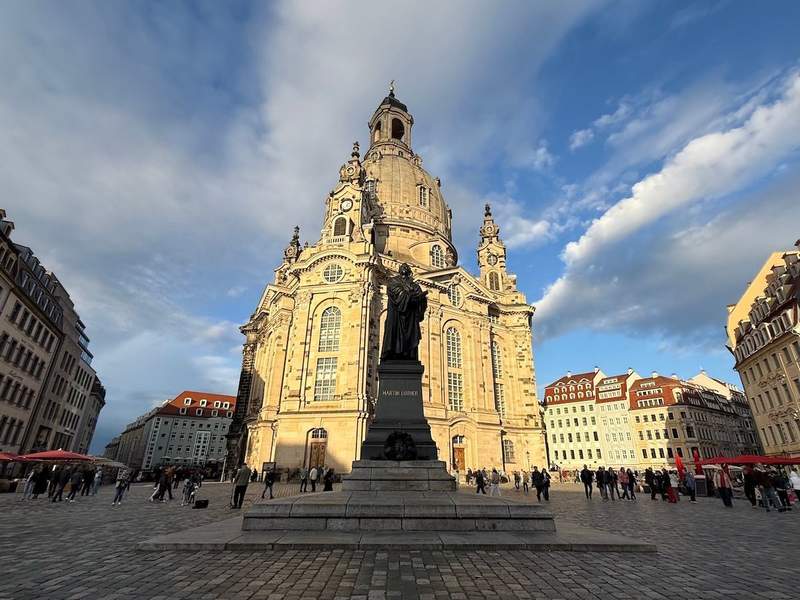
Nowhere did Dresden’s history feel more tangible than at the Frauenkirche, the Church of Our Lady.
The Baroque church collapsed after the 1945 bombing, and its ruins remained a war memorial through the East German years. Reconstruction began after reunification, and the church was reconsecrated in 2005.
Workers recovered stones from the rubble and returned many to their original positions. Dark original stones remain visible among the newer pale sandstone. As the newer stones weather and the contrast softens, so too does the visual scar of war.
To me, the Frauenkirche became Dresden’s story in stone.
SheBuysTravel Tip: Check the Frauenkirche calendar before visiting, because worship services, concerts and special events can affect sightseeing hours.
Walk Dresden’s Historic Center
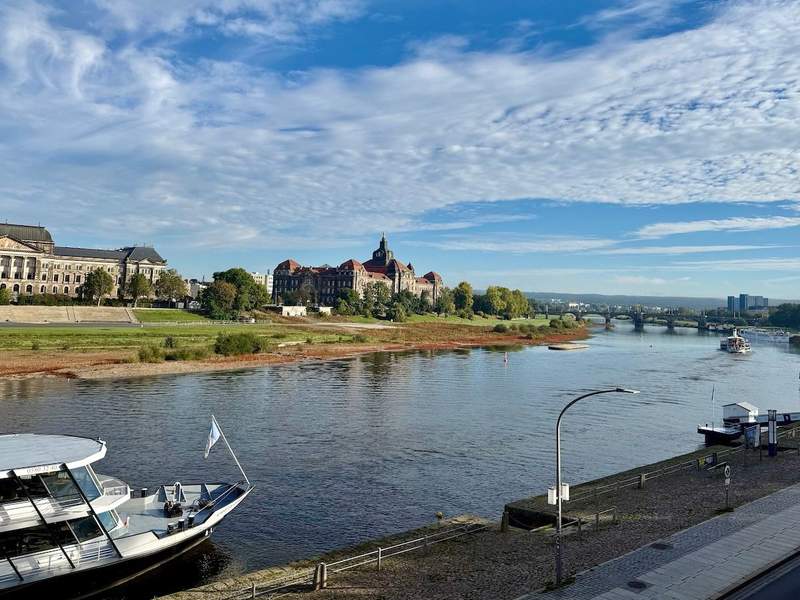
The Frauenkirche, Royal Palace, Zwinger, Dresden Cathedral and Semperoper are close enough together to explore much of the Old Town on foot. My favorite stops included:
- Brühl’s Terrace, the elevated promenade above the Elbe, for broad river views
- The Zwinger, one of Dresden’s grandest Baroque complexes
- Dresden Cathedral and the surrounding Theaterplatz
- The Fürstenzug, or Procession of Princes, along an exterior wall of the Royal Palace complex
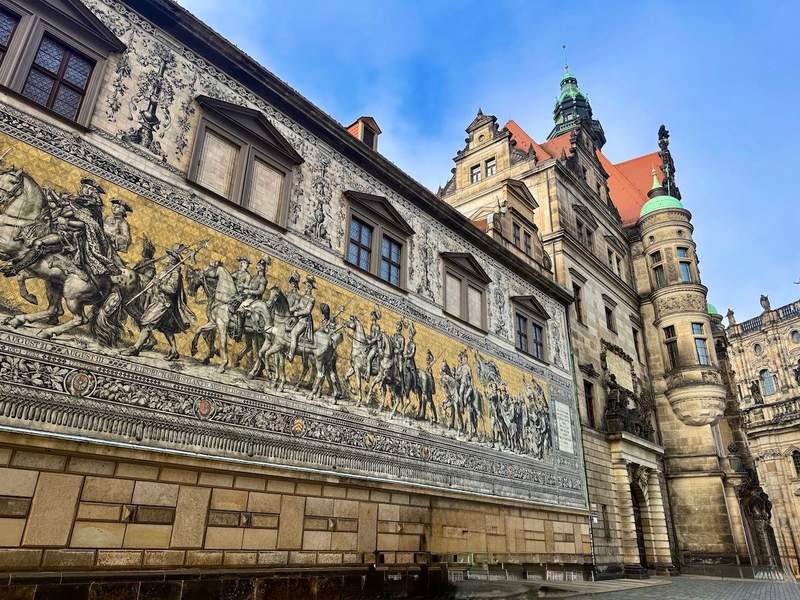
The Procession of Princes was recreated in Meissen porcelain tiles between 1904 and 1907 and survived the World War II bombing largely intact. After seeing it in Dresden, I wanted to learn how that famous porcelain is still made.
Dresden’s mix of royal landmarks, reconstructed architecture and remnants of its East German years gave the city more layers than I expected.
Inside Dresden’s Royal Palace
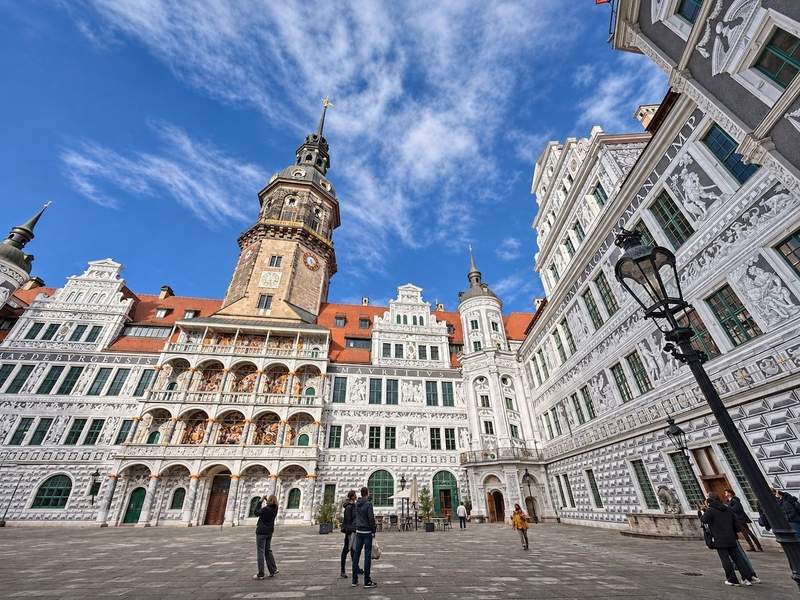
Attraction: Dresden Royal Palace (Residenzschloss) | Address: Taschenberg 2, 01067 Dresden | Phone: +49 351 4914 2000 | Hours: Generally 10 a.m. to 5 p.m., closed Tuesdays; seasonal and holiday hours vary
You can’t spend much time in Dresden without hearing about Augustus the Strong, the Saxon ruler whose passion for art and luxury helped shape the city. Inside Dresden’s Royal Palace, that extravagance comes to life.
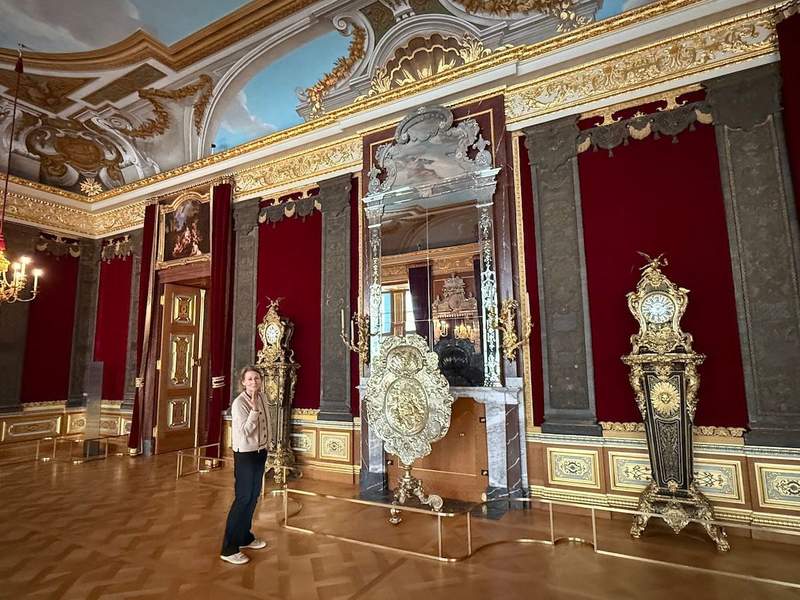
On my guided tour, I explored the reconstructed Royal State Apartments, where rich red wall coverings, ornate clocks and gilded details reveal the splendor of royal life.
The palace has more to see than most visitors can comfortably cover in one visit:
- The reconstructed Royal State Apartments
- The New Green Vault, included with general Royal Palace admission
- The Historic Green Vault
- Other museums and collections throughout the palace complex
You could spend hours here and still not see it all.
SheBuysTravel Tip: Pick your must-see rooms and collections before you arrive. The Historic Green Vault needs its own timed ticket, separate from general Royal Palace admission.
Behind the Scenes at the Semperoper
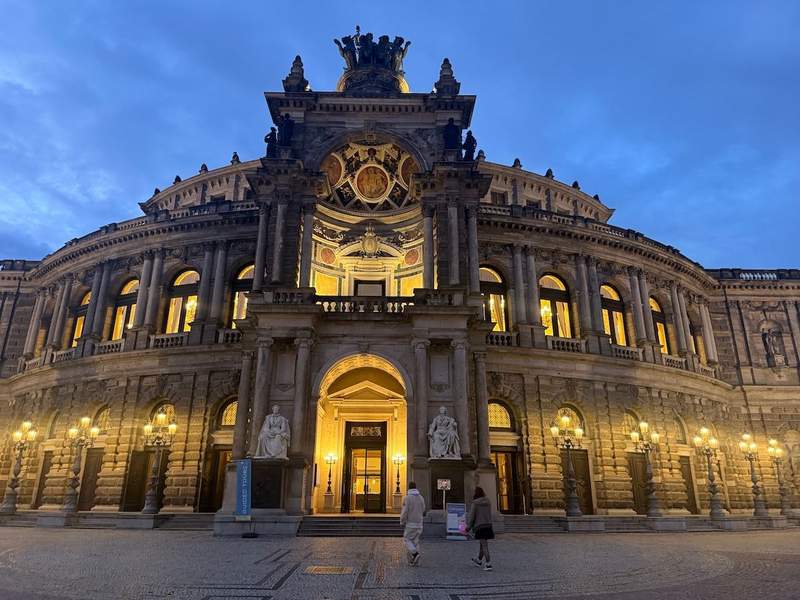
Attraction: Semperoper Dresden | Address: Theaterplatz 2, 01067 Dresden | Phone: +49 351 4911 705 | Hours: Visitor service Monday to Friday, 10 a.m. to 6 p.m.; tour dates vary
I had admired the Semperoper from Theaterplatz, but a guided tour gave me a deeper appreciation of the opera house. Destroyed in the 1945 bombing, it became one of Dresden’s major reconstruction projects during the East German era and reopened in 1985.
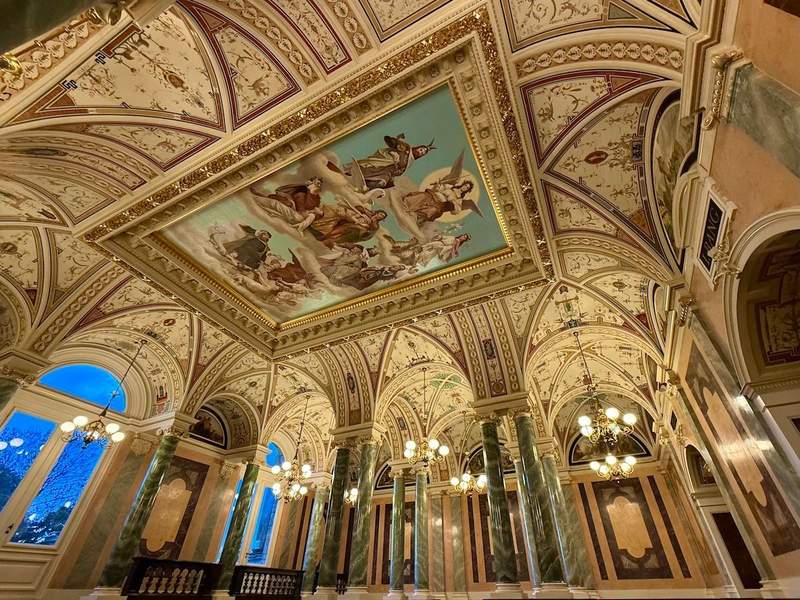
My guide pointed out details I would have missed on my own. One favorite was the unusual mechanical clock above the stage, which displays the time in 5-minute increments.
The tour made the Semperoper feel like both a working theater and another symbol of Dresden’s determination to rebuild.
SheBuysTravel Tip: You don’t need an opera ticket to appreciate the Semperoper. A guided tour gets you inside to hear the stories behind details you might otherwise miss.
Take a Day Trip From Dresden to Meissen
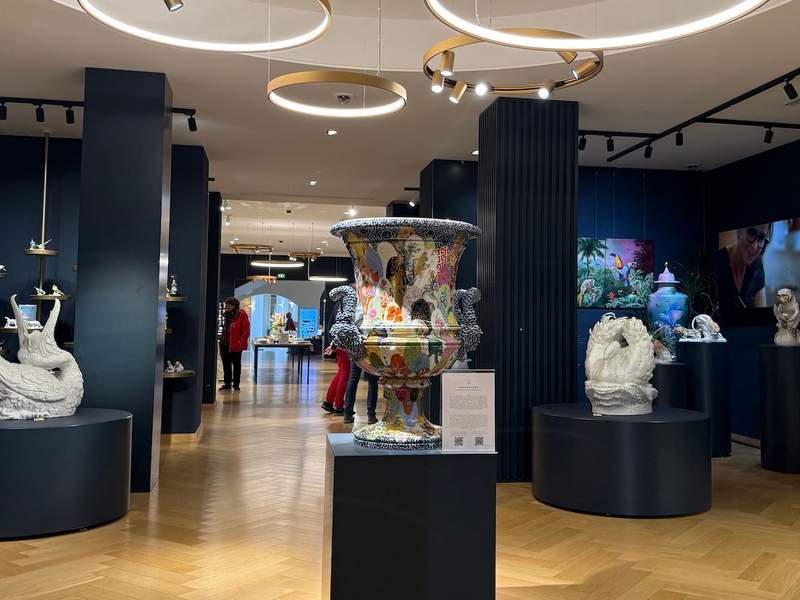
I had admired Meissen porcelain before during a house tour at Magnolia Plantation & Gardens in Charleston, South Carolina. But visiting the manufactory in Meissen gave me a new appreciation for the artistry and painstaking work behind those delicate pieces.
I didn’t expect the manufacturing process to become one of the highlights of my trip.
Lunch at the House of Meissen was as memorable for the presentation as the food. I had roasted beef with forest mushrooms and edible flowers, followed by a toffee brownie with fresh fruit, all served on beautiful Meissen porcelain. It was an easy, comfortable place to enjoy a solo lunch during my day trip.

Founded in 1710 under Augustus the Strong, Meissen was Europe’s first manufactory to produce hard-paste porcelain. More than three centuries later, it is still made in the town that gave it its name. The manufactory, museum, creative experiences and Old Town can easily fill most of a day.
Watching the Meissen Craftspeople Changed Everything
Attraction: MEISSEN World of Experience | Address: Talstrasse 9, 01662 Meissen | Phone: +49 3521 468 6630 | Hours: Daily, 9 a.m. to 5 p.m.; show workshop visits generally until 4 p.m.
Before my visit, I appreciated porcelain mostly as a finished object. Watching it take shape changed that.
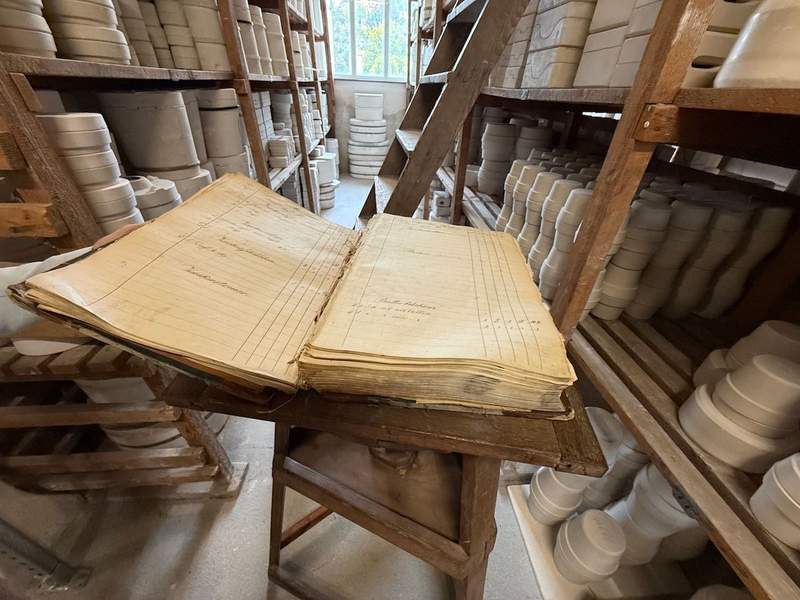
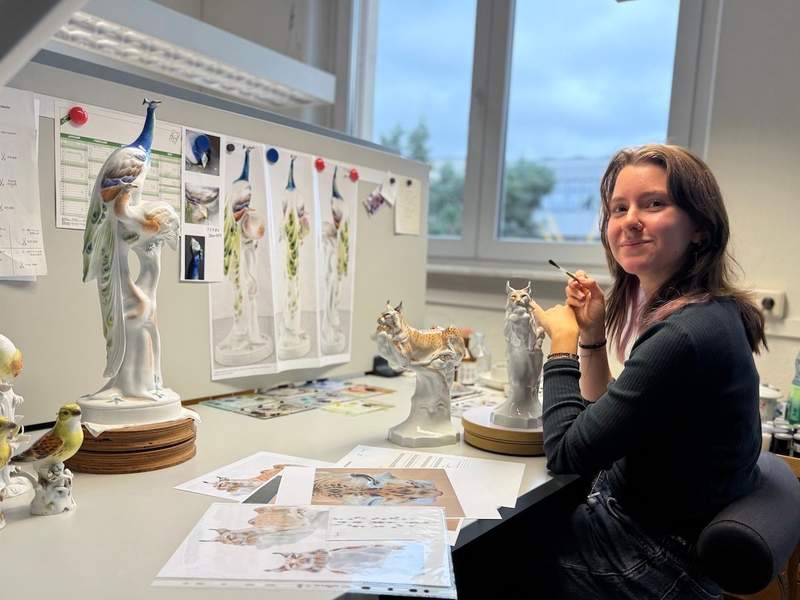
At Meissen, much of the work is still done by hand. Talking with the craftspeople, I watched delicate pieces being shaped, attached and painted through multiple stages.
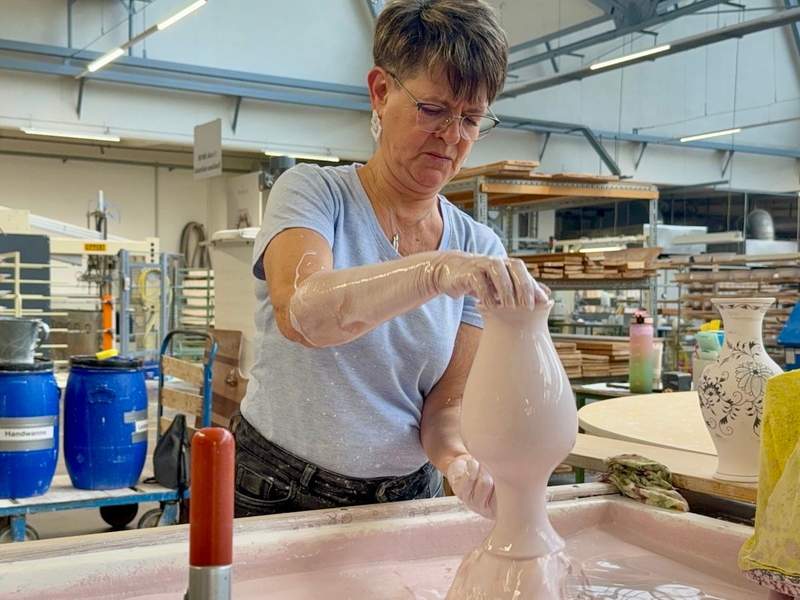
- A painter adds details to figurines with a fine brush.
- Porcelain flowers and sculptural elements are formed separately and attached by hand.
- My guide explained that an elaborate cup can require as many as five firings.
- The skills take years to master, drawing on generations of knowledge and an extensive archive of historic molds and designs.
Seeing the craftspeople at work made me understand why Meissen porcelain is valued not simply as decoration, but as craftsmanship.
SheBuysTravel Tip: Check which experience you’re booking. Standard admission covers the show workshop and the museum, while behind-the-scenes tours and creative workshops offer a deeper look at how Meissen porcelain is made.
Try Porcelain Painting Yourself
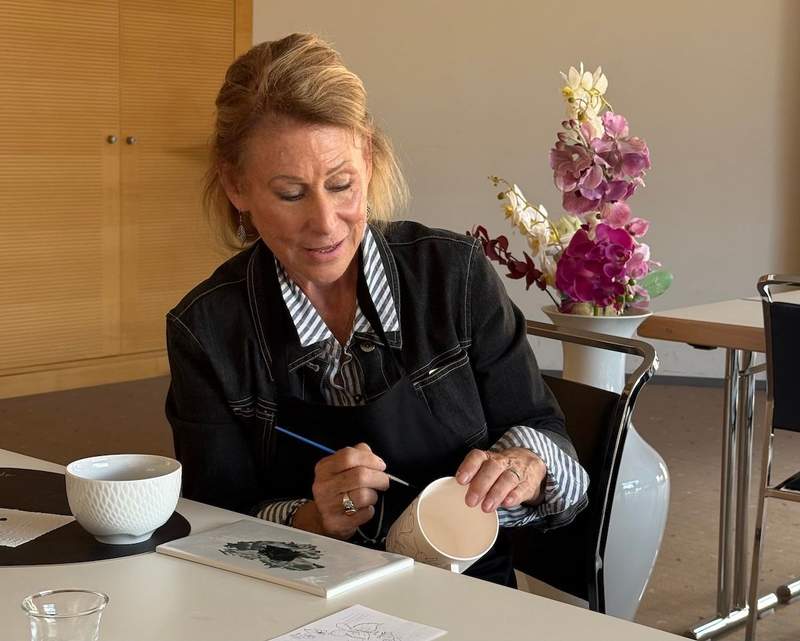
Then it was my turn.
Watching a Meissen painter use a fine brush makes the work look almost effortless. Trying it yourself quickly corrects that impression. My porcelain-painting experience gave me a much greater appreciation for the precision I had been watching.
- Visitors can create their own piece at MEISSEN’s DIY station, including painting a porcelain mug.
- Finished pieces are glazed, fired and shipped afterward.
- The DIY station doesn’t require advance registration, but other creative workshops should be booked ahead.
I enjoy activities that let me move from spectator to participant, and this was a memorable one. My work won’t be joining the museum collection anytime soon. But that was hardly the point.
Leave Time for Meissen’s Old Town
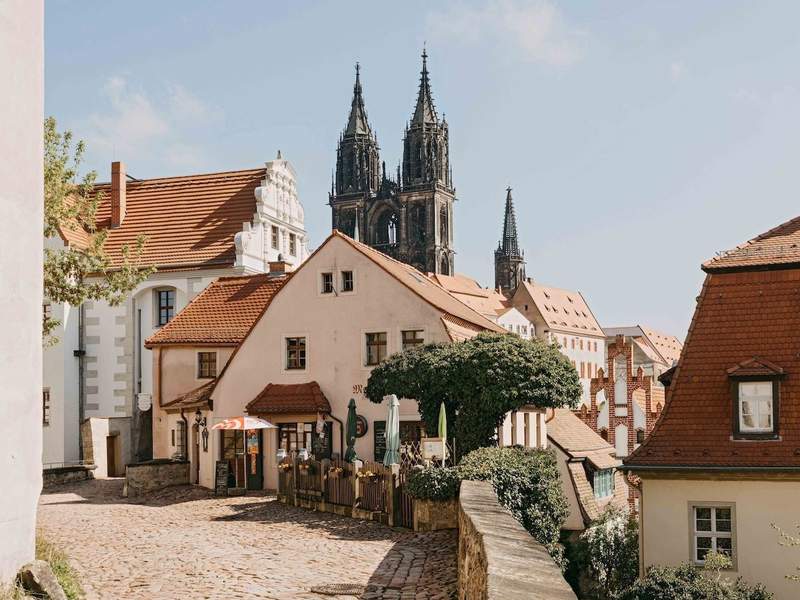
Attraction: Albrechtsburg Castle Meissen | Address: Domplatz 1, 01662 Meissen | Phone: +49 3521 4707-0 | Hours: Wednesday to Monday, from 10 a.m.; closing time varies by season
Allow time beyond the porcelain manufactory. Meissen’s narrow lanes climb toward Albrechtsburg Castle and the cathedral high above the Elbe.
Albrechtsburg is especially relevant to the city’s porcelain story: in 1710, Europe’s first hard-paste porcelain manufactory was established inside the castle before production later moved elsewhere in Meissen.
For an easier visit:
- A panoramic elevator from Meisastrasse helps with the climb to the castle hill.
- From April through October, a sightseeing bus connects the porcelain manufactory, Old Town and castle hill.
- Give yourself time to wander the lanes and castle hill instead of rushing straight back to the train.
After Dresden’s grand squares and monumental buildings, Meissen offers a different pace.
SheBuysTravel Tip: Visiting both the porcelain manufactory and Albrechtsburg Castle? Look at the combination ticket before buying separate admissions.
Is Solo Travel in Dresden Easy for Women?
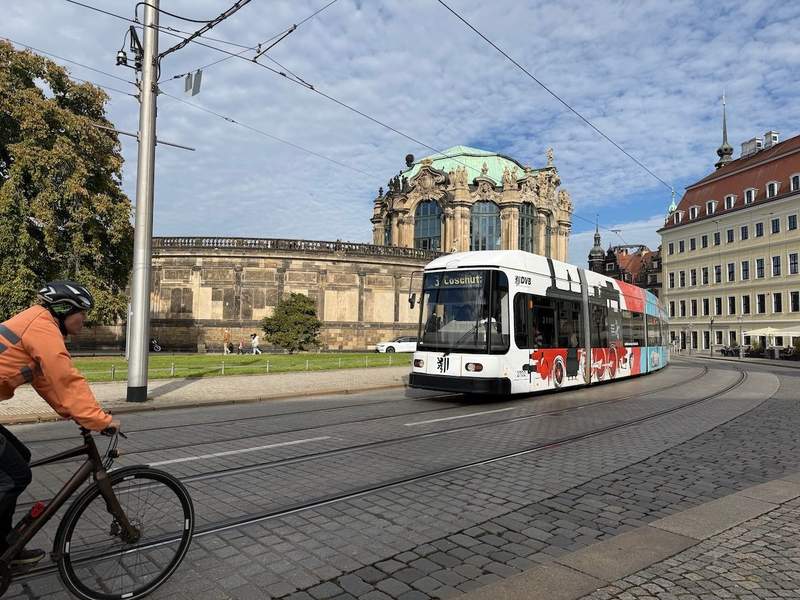
Dresden was easy to manage on my own. I arrived by rail, stayed centrally and walked to many of the main sights. A few things made the trip especially manageable:
- No rental car was necessary for Dresden or the Meissen day trip.
- The compact historic center made walking practical.
- Trams and trains covered the places I didn’t want to reach on foot.
As in any unfamiliar city, I stayed aware of my surroundings, particularly after dark and when navigating stations with luggage.
For me, the combination of walkability, public transportation and a compact historic center made Dresden particularly comfortable for a solo visit.
How Many Days Do You Need in Dresden and Meissen?
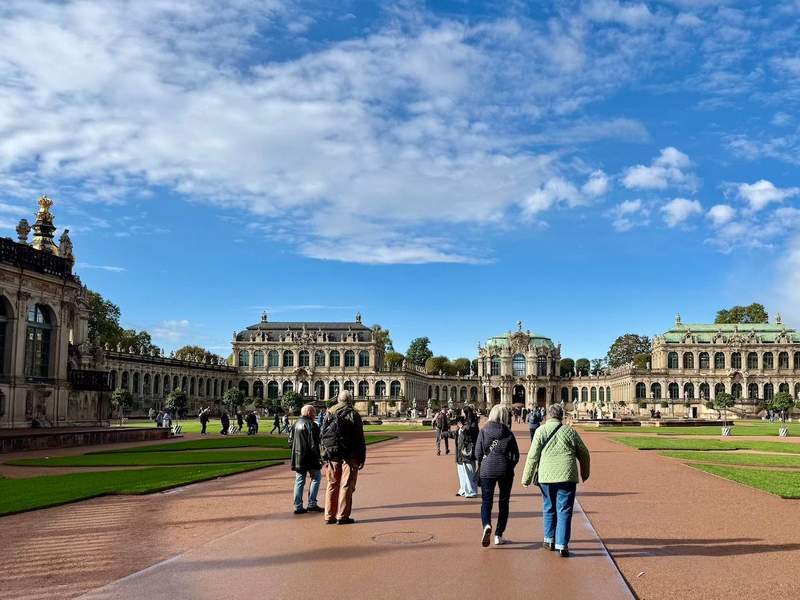
Two nights gave me three days to explore Dresden and Meissen, which was enough for a good introduction.
- Two nights: enough for Dresden’s major sights plus a focused Meissen day trip
- Three nights: better if you want a more relaxed pace or additional museum time
- Don’t rush the big two: allow plenty of time for the Royal Palace and Semperoper rather than squeezing them between other stops
- Give Meissen a full day: it’s more than a quick visit to the porcelain manufactory, and the Old Town deserves time of its own
Dresden and Meissen: Worth the Extra Stop
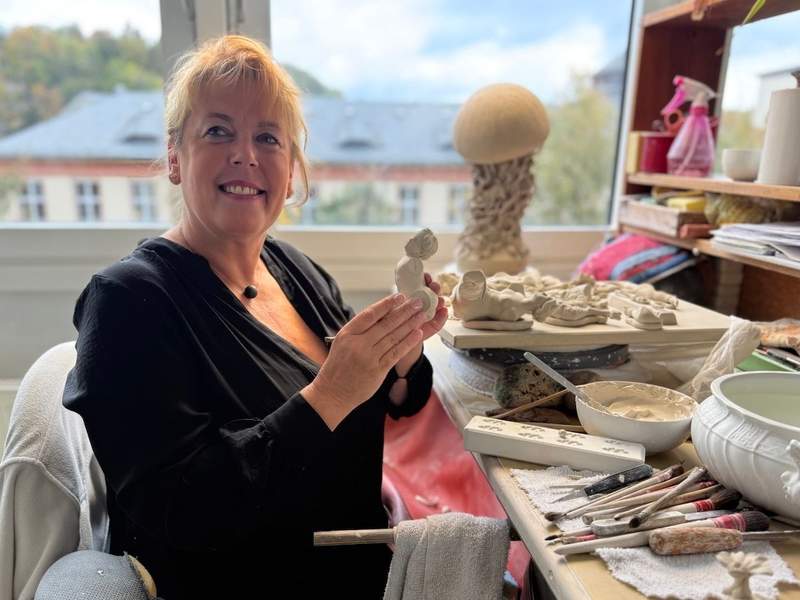
I went to Dresden expecting beautiful architecture and to Meissen expecting pretty porcelain.
What stayed with me were the people behind both: those who rebuilt a devastated city and those still practicing skills passed down through generations.
Frequently Asked Questions
Yes. I found Dresden easy to manage on my own. The historic center is compact and walkable, trams and trains cover longer trips and you don’t need a rental car. As in any city, stay aware after dark and in busy stations.
About an hour and 40 minutes on my trip. Journey times vary, so check schedules for your travel dates.
Yes. The S1 suburban train connects Dresden and Meissen. The porcelain manufactory, museum, creative workshops and Old Town can fill most of a day.
No. Dresden’s Old Town is walkable, trams and buses handle longer trips and Meissen is easy to reach by train.
Two nights cover Dresden’s major sights plus a day trip to Meissen. Plan three nights for a more relaxed pace or extra museum time.
More From SheBuysTravel
- Historic Heritage Germany Tour: Rich in History, Light on Crowds
- Discovering Medieval Germany Solo on a River Cruise
- Hot Springs, Cold Riesling: Exploring the German Spa Towns Near Frankfurt
- Discover Freiburg: A Feast for the Senses in Germany’s Black Forest

Leave a Reply