

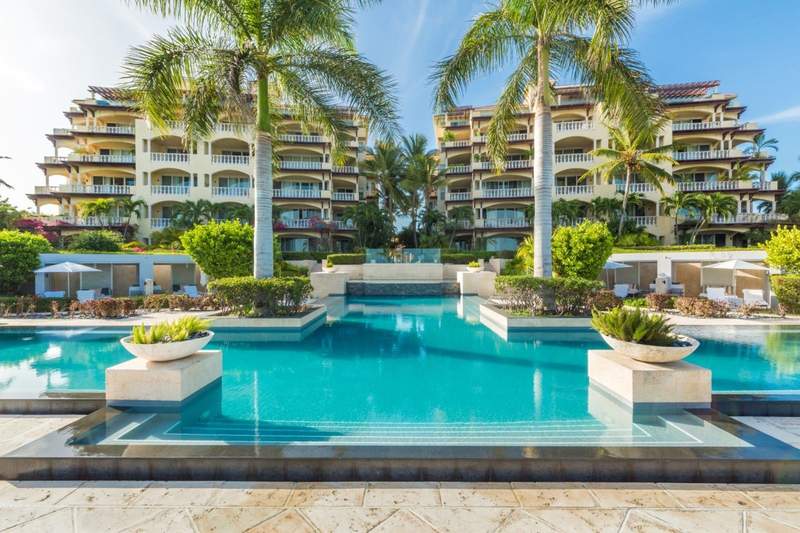
While visiting Grace Bay Club in Turks & Caicos recently, I realized that the resort was actually a pioneer in its destination; the first luxury resort built there.
Thinking about other resorts I’d visited, I realized that some of them were also pioneers. Rather than simply joining other local properties, these venues did more than that – some succeeded in putting a destination on the map or shaping the travel landscape around it.
The following venues were all groundbreakers; they led the way for tourism and other resorts, shaped regional development or set different or higher standards for places that already existed.
Are you ready to explore more destinations? Get inspired with our newsletter!
Caribbean
-
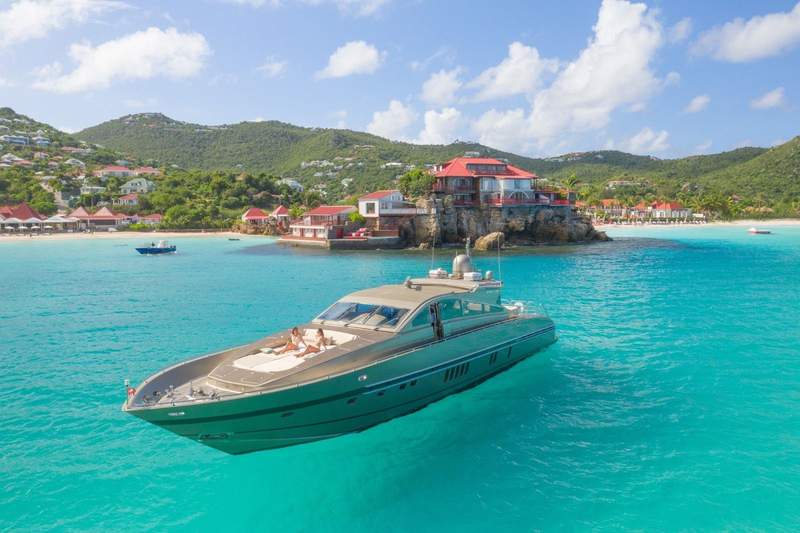
Eden Rock (St. Barths, 1950s) What makes it special: Arguably the first real hotel on St. Barts. Why: Eden Rock was opened by Remy de Haenen (the island’s first aviator). The seaside guesthouse essentially launched tourism to the island and became a celebrity draw (as they could vacation with privacy and exclusivity). It also defined the “stylish but not stuffy” barefoot luxury vibe still present there today.
Grace Bay Club (Turks & Caicos, 1993)
What makes it special: The first luxury resort built on Grace Bay Beach.
Why: Turks & Caicos’ Grace Bay was mostly undeveloped in the 80s and 90s. With the addition of Grace Bay Club, the region emerged as an upscale, luxurious Caribbean escape, bringing in vacationers where there weren’t many before, and establishing Grace Bay as one of the most sought-after destinations in the region.Jumby Bay Island (Antigua, 1983)
What makes it special: Changed the model of what a private island resort could look like.
Why: Jumby Bay Island, located off the coast of Antigua and reachable only by boat, was transformed from largely uninhabited into an ultra-luxurious, eco-friendly, car-free all-inclusive private island getaway – a model that didn’t really exist before then.
North America
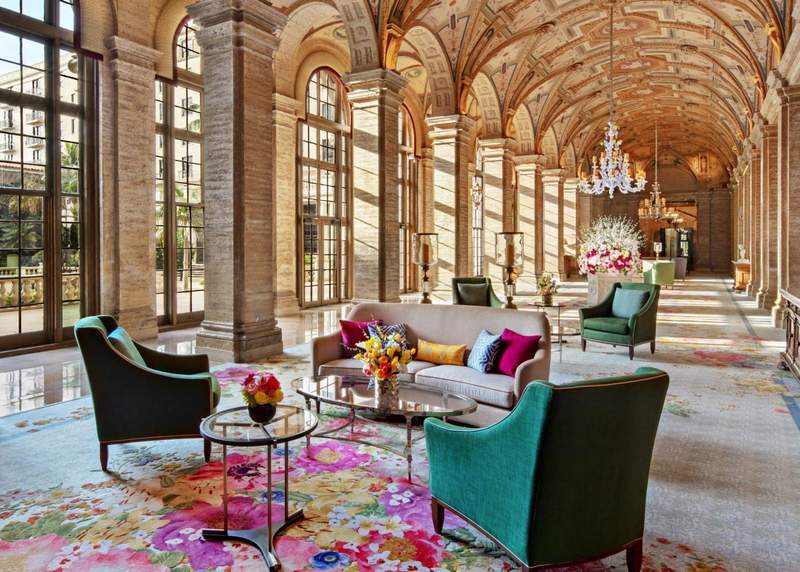
The Breakers (Palm Beach, Florida, 1896)
What makes it special: One of the first grand luxury seaside resorts in the state.
Why: Built on undeveloped Florida coastline, this resort established Palm Beach as a Gilded Age destination through grand ballrooms, upscale oceanfront access, European-inspired buildings and high-end service. It set a precedent that drew the wealthy and made the destination an elite playground, especially for northerners during the winter months.Mauna Kea Beach Hotel (Big Island, Hawaii, 1965)
What makes it special: Considered one of the most transformational resorts in Hawaii’s history.
Why: When Mauna Kea opened in 1965, it was considered the most expensive hotel ever built. Its design, however, influenced all later resorts, and was quickly named one of the three greatest hotels in the world. Hawaii’s first truly world-class championship golf course was built here, and the concept of high-end art in a resort was born here.Las Brisas (Acapulco 1954)
What makes it special: The introduction of Las Brisas elevated vacations to Acapulco to a new level.
Why: Celebrities who visited created buzz and made the region a must-visit destination. It became one of the most talked-about, written-about and photographed hotels in Mexico and succeeded in showcasing the country as a safe, upscale, incredibly-sought-after vacation spot.
Europe
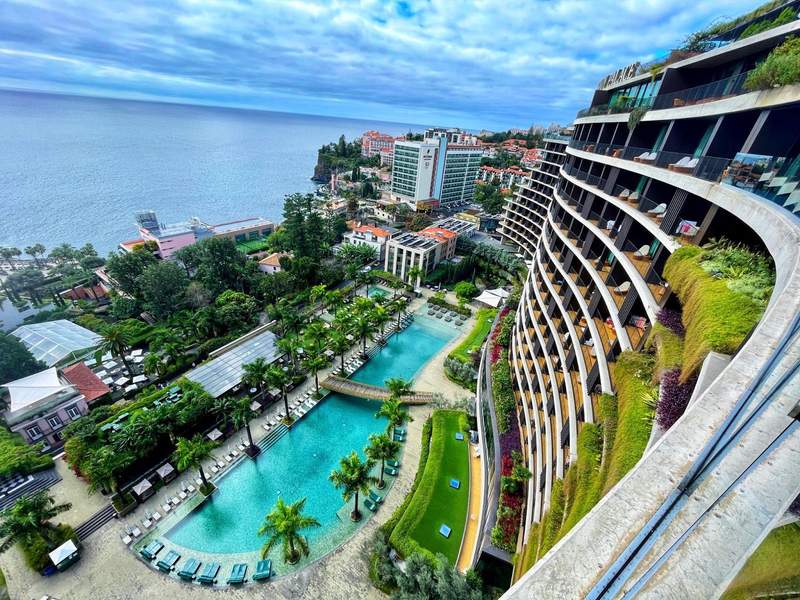
Savoy Palace (Madeira, Portugal, 2019)
What makes it special: Among the first venues to deliver grand-hotel-style standards of luxury to the island.
Why: A complete redevelopment of the original 1918 Savoy Hotel, it became the first Madeiran property to join The Leading Hotels of the World, which ushered in a new era of hospitality, and helped transform the island from a seasonal “health retreat” to one that drew visitors for lengthier & more proper vacations. The addition of The Reserve here in 2024 elevated the options even higher.Hôtel du Cap-Eden-Roc (Cap d’Antibes, French Riviera, 1870s)
What makes it special: The Riviera’s first true luxury resort, helping establish the Côte d’Azur as a playground for the elite.
Why: The area here was originally just known for winter health and spa travel. The transformation of a writer’s retreat into a luxury resort popularized summer leisure visits, yacht-life and outdoor social activities coupled with seaside pampering, stunning views and extreme privacy.
Asia
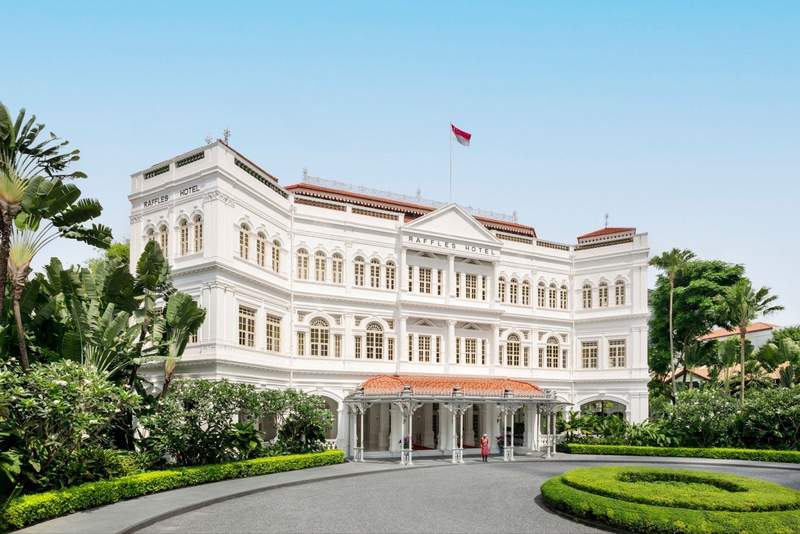
Raffles Hotel (Singapore, 1887)
What makes it special: The building of Raffles helped turn Singapore into a global stopover destination.
Why: Among Southeast Asia’s earliest grand hotels, it became a symbol of refined service and exotic tropical luxury – rather than simply a place to stay, it became a destination in and of itself, and a symbol of global sophistication that brought elements of the East and West together.Bali Beach Hotel (now Meru Sanur, Sanur Bali, 1966)
What makes it special: Now operating as Meru Sanur, this government-initiated project was the first international-standard hotel on the island.
Why: It drew a wider selection of tourists, and the infrastructure grew to support it. It helped modernize Bali and changed tourism in the region forever. Its controversial 10-story height also led to new regulations on buildings that are still in place in Bali today.Club Med Cherating Beach (Malaysia, 1979)
What makes it special: Club Med was the first major all-inclusive resort to be built in all of Asia.
Why: It succeeded in helping Malaysia enter the tourism market and introduced the all-inclusive concept to the region, a popular one among Europeans. It also became one of Asia’s first “eco-resorts” long before the term became popular or buzz-worthy.-
Amanpuri (Phuket, Thailand, 1988) What makes it special: Phuket’s first true luxury resort, offering a different kind of escape. Why: Before this resort, the island only attracted backpackers. The resort redefined it as a world-class luxury destination. It also radically flipped the concept of a resort escape – emphasizing silence, space, seclusion, tranquility, immersion in nature and minimalism. This directly influenced the rise of things such as wellness, spa and restorative travel.
Indian Ocean Region
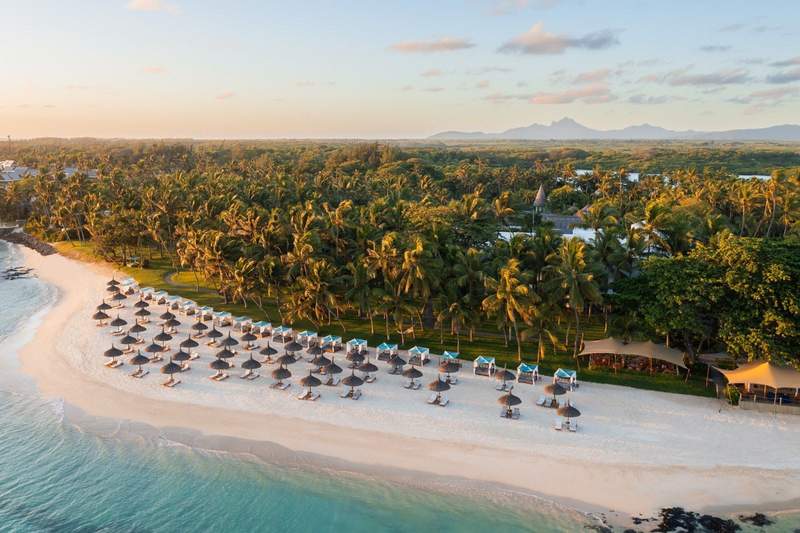
One&Only Le Saint Géran (Mauritius, 1975)
What makes it special: The first true ultra-luxury resort in Mauritius, cementing the island’s reputation as a honeymoon and leisure hotspot.
Why: Tourism was still in its infancy here when this upscale resort was built, and it brought new standards for high-end travel and enjoyment here, transforming Mauritius into a sought-after destination rather than simply a stopover.Kurumba (Maldives, 1972)
What makes it special: What began as 30 huts is credited with creating the Maldives tourism industry.
Why: Built on what was previously nothing more than an uninhabited island, it was constructed with basic, local materials (coral and coconut leaves). Its success led to the building of additional resorts in the area, and tourism here exploded, leading to the bucket-list status of the locale today.
Read More
- Adults-Only All-Inclusive Resorts Where Grown-Ups Can Play All Day
- Splash into Fun! Top All-Inclusive Bahamas Resorts for Families
- Unwind & Reconnect: All-Inclusive Family Resorts in Turks & Caicos
- Melbourne Australia: First Timer’s Guide to the Best Things to Do

Leave a Reply